
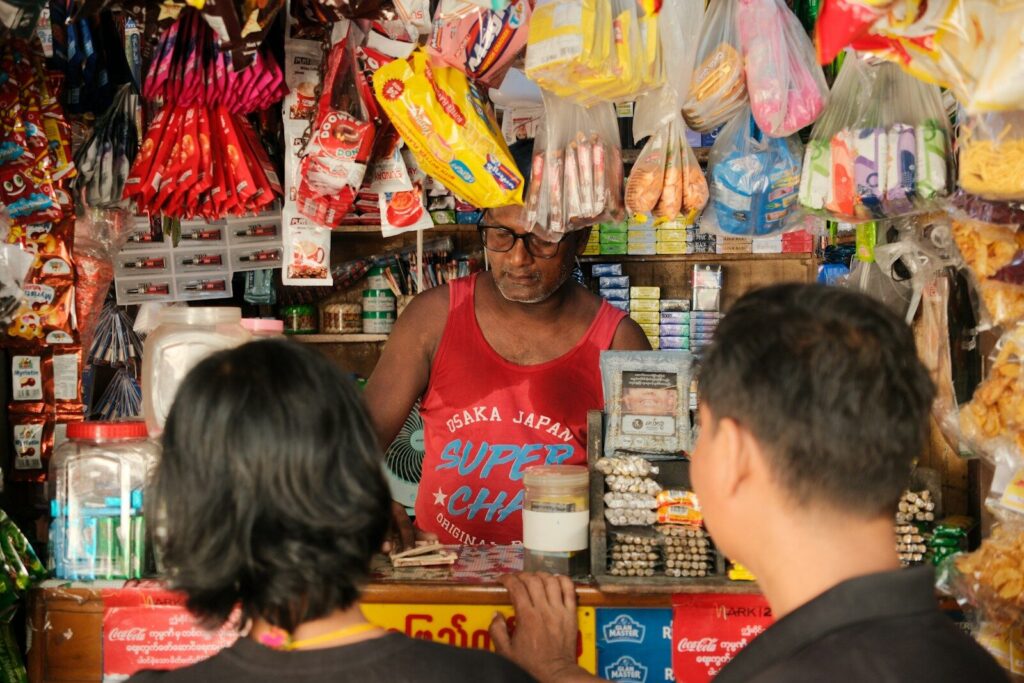
In a school, the tuck shop has the shortest working day in the business — and the busiest. The shop may be quiet all morning, while the students are in class and the counter is empty. Then the bell rings for break, and in a single moment the whole school arrives at once: a hundred students, each with a few rupees, each wanting a snack and a drink, each with only thirty minutes before the next bell. It is the whole day’s trade, squeezed into half an hour — and the shop that cannot serve it fast enough loses it.
That is the break-time problem. The rush is not spread across the day, the way it is in a supermarket or a pharmacy. It comes in a wave, all at once, and it ends just as suddenly. A queue that does not move is a queue that gives up: students who cannot be served in time go back to class hungry, with their money still in their pockets, and the shop has lost a sale it will not get back. The till is not the problem — the speed of the till is.
Thirty minutes, a hundred customers
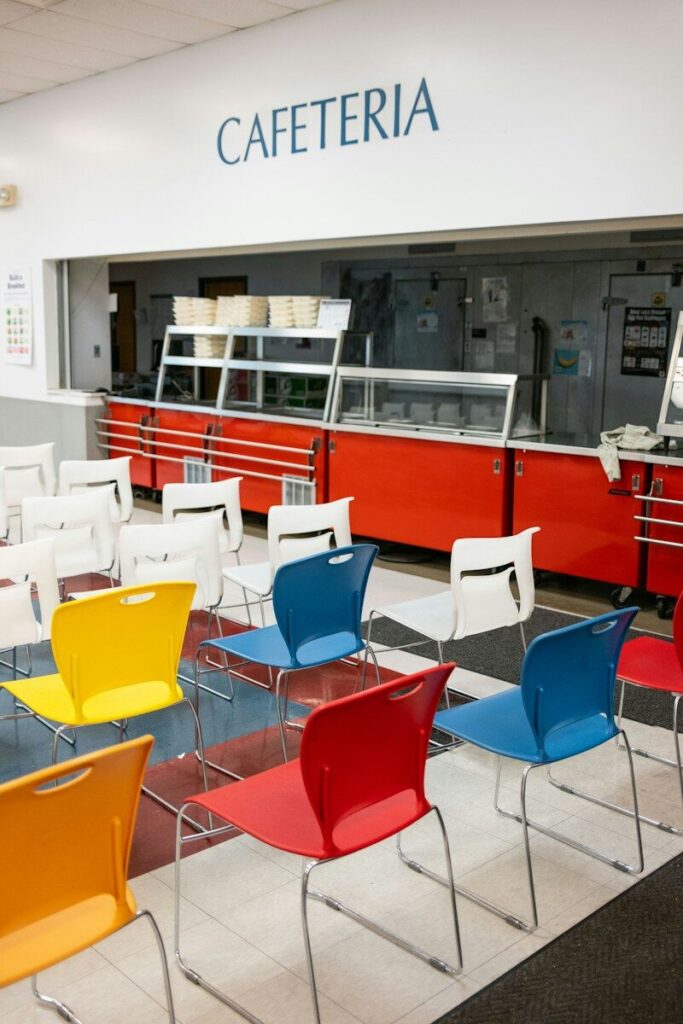
In Smart POS, every item is on the system with its price, so the counter does not stop to ask, to check, or to guess. The shopkeeper scans the snack, scans the drink, takes the money, and the next student steps forward. A sale that takes ten seconds serves six students a minute. A sale that takes a minute serves one — and the queue behind him grows by five more while he waits.
That speed is what the break is sold on. Students do not come back to a tuck shop because it is cheap — they come back because it is fast. The student who is served in seconds tells his friends the counter is quick. The student who waits ten minutes tells them not to bother. In a thirty-minute break, the speed of the counter is the reputation of the shop.
Billed in seconds, not minutes
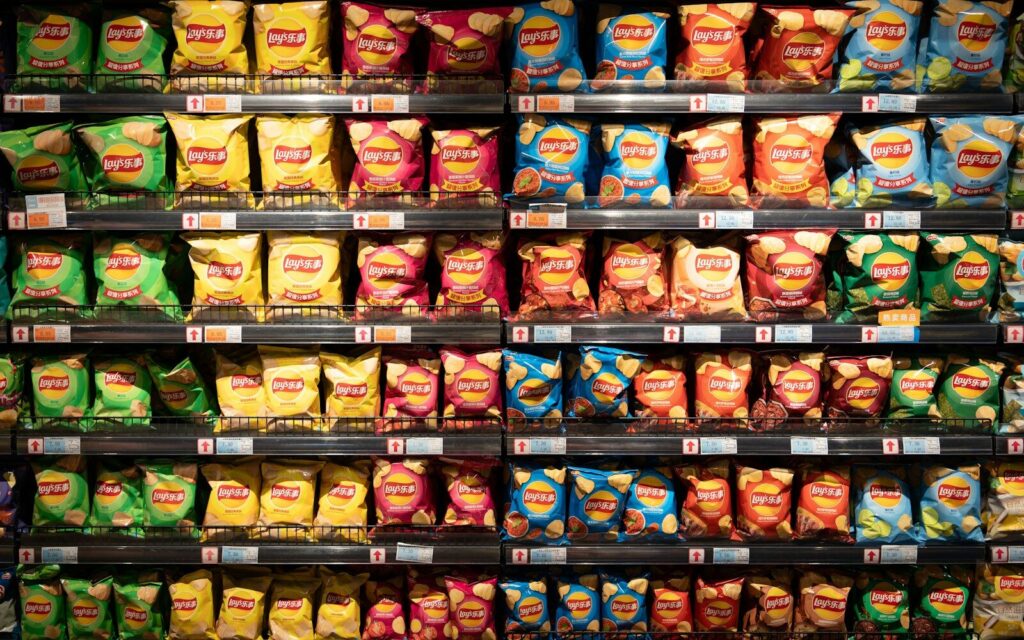
Speed is not only about the queue — it is about the record. Every sale at break time is a small sale, and a hundred small sales are easy to lose track of. In Smart POS, each one is on the record as it happens: what was sold, at what price, and how many are left. The owner does not discover at the end of the day that the money and the stock disagree — the record keeps them together, sale by sale.
That record also shows what the rush actually buys. Which snacks go first, which drinks run out, which flavours the students ask for by name — all of it is on the sales record, waiting to be read before the next day’s order. The shop stops guessing what to stock for break time, and starts stocking what the students actually buy.
The queue that comes back tomorrow
A break-time rush that is served well does more than earn for a day — it builds the shop’s customers for the whole school year. The students who are served quickly at break come back the next day, and the next, and they bring their friends. The tuck shop becomes part of the school day, not a queue to avoid.
And when the rush is over, the record does the rest of the work. The stock is counted, the cash is reconciled, and the owner knows exactly what to order for tomorrow’s break — before the bell rings again. The shop that serves its rush well never has to worry about a quiet break, because the queue is already there, waiting.
With every item priced and ready, every sale billed in seconds, and every rush counted on the record, a school tuck shop can take the break bell in its stride. The students get their snacks, the queue keeps moving, and the busiest thirty minutes of the day become the most profitable ones.
Smart POS is built for tuck shops in Pakistan: fast billing, snack and drink stock, and records that keep the break-time rush moving.
See how Smart POS works for tuck shops — Smart POS for Tuck Shop. Try free for 15 days, no credit card required.