
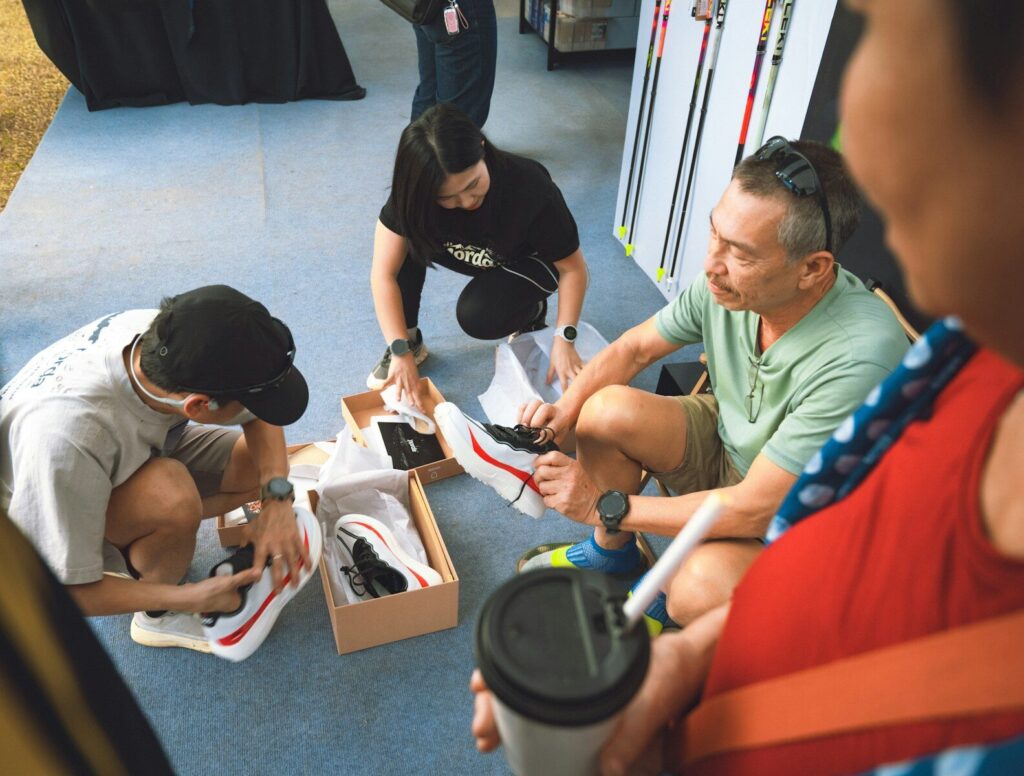
A branded pair of shoes is the most expensive thing a shoes shop sells. A good sports shoe, a leather formal pair, a branded sandal — the customer wants it, the shop has it, and the price is more than the customer can pay today. So he asks the question every shoes shopkeeper hears: can I pay in parts? A little now, a little next month, and the rest the month after. The shopkeeper wants the sale, and he wants the money back — and the space between those two wants is where instalments go wrong.
That is the instalment problem. The amounts are large, the payments are spread over months, and the record is usually a notebook, a phone message, or the shopkeeper’s memory. A customer pays the second instalment and the shopkeeper forgets to write it down. Another customer misses a month, and nobody notices until the third month.
The pair the customer cannot pay for today

The trouble starts because an instalment sale is really two sales at once: a sale today, and a promise for tomorrow. The shop gives the shoes now and takes the money later, and the only thing holding the two together is the record. Without a proper record, the shopkeeper has to remember every customer, every pair, every amount paid and every amount still due — and a shop that sells a dozen branded pairs a week cannot remember any of them by the end of the month.
Every instalment on the record

In Smart POS, every instalment sale is on the customer’s own account: the pair, the price, the amount paid today, and the amounts still due, with their dates. When the customer comes back to pay, the payment goes onto that same account at once, and the balance is there for the shopkeeper to see. The customer who has paid two of three instalments is told exactly what remains. The customer who is late is spotted before the debt grows.
That record also protects the customer. A man who is told he still owes for his shoes can see the payments he has made — the dates, the amounts, the balance — and there is no argument, because the record is there for both sides to see. A customer who pays on time builds a record the shop can trust, and the shop can offer him the next pair on instalments with confidence.
The ledger that brings the money back
Over time, that ledger becomes the shop’s best tool. Which customers pay on time, and which ones always need a reminder? Which branded pairs sell on instalments, and which ones sell for cash? The owner can see the money that is still owed, month by month, and plan around it — instead of discovering at the end of the season that a shelf of branded shoes was given away and never paid for.
That is how a shoes shop sells its dearest pairs without fear. The customer gets the shoes he wants, the shop gets the money back on time, and the record keeps both sides honest. The branded shelf stops being a risk and becomes the shop’s best earner — because every pair that left on instalments is on the record, and every rupee that is owed comes back.
With every instalment on the customer’s account, every payment recorded as it happens, and every balance visible at the counter, a shoes shop can offer credit with confidence. The customers buy the shoes they want, the shop is paid on time, and the money the shop is owed comes back — every month, on the record.
Smart POS is built for shoes shops in Pakistan: instalment records, customer accounts, and ledgers that keep every branded sale safe.
See how Smart POS works for shoes shops — Smart POS for Shoes Shops. Try free for 15 days, no credit card required.