
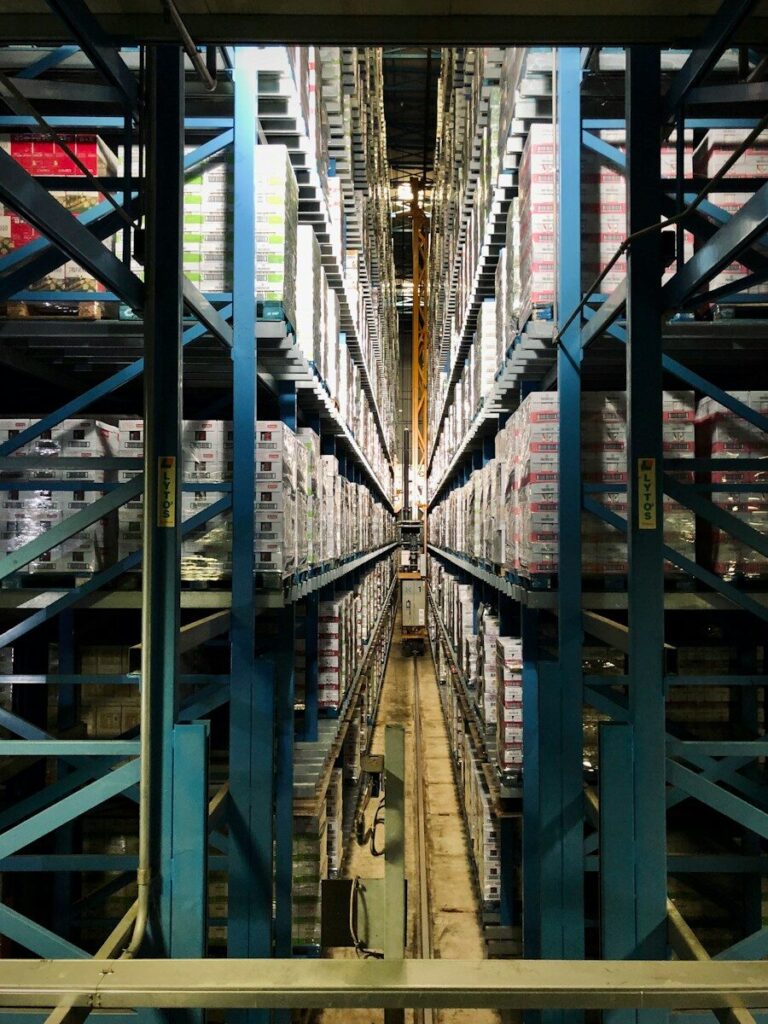
A frozen food shop sells to two kinds of customers. The first walks in and buys a packet or two. The second never walks in at all: the restaurant that needs cartons every week, the shop that stocks the freezer for its own customers, the canteen that orders by the dozen. They are the customers who buy the most — and the ones whose orders are hardest to get right.
That is the wholesale problem. A restaurant orders twenty cartons, the delivery must arrive frozen, the bill must be right, and the order must be on time — every week, without fail. Without a record, the orders are taken by phone, the deliveries are counted by eye, and the bills are written from memory. A carton short, a delivery late, a bill wrong — and the restaurant buys from someone else.
The shop that buys by the carton

In Smart POS, a wholesale customer orders by the carton, at wholesale prices, on their own record. The restaurant’s weekly order, the shop’s standing order, the canteen’s monthly list — each one is recorded as a wholesale order, with its own quantities and its own prices, separate from the counter sales. The shop knows, before the truck leaves, exactly what is going to whom.
That separation matters because wholesale and retail are different businesses. A packet sold at the counter and a carton sold to a restaurant are not the same sale, and they should not be counted the same way. The record keeps them apart — so the shop knows what its wholesale customers earn, and what its counter earns, and neither one hides inside the other.
Delivered cold, billed correctly
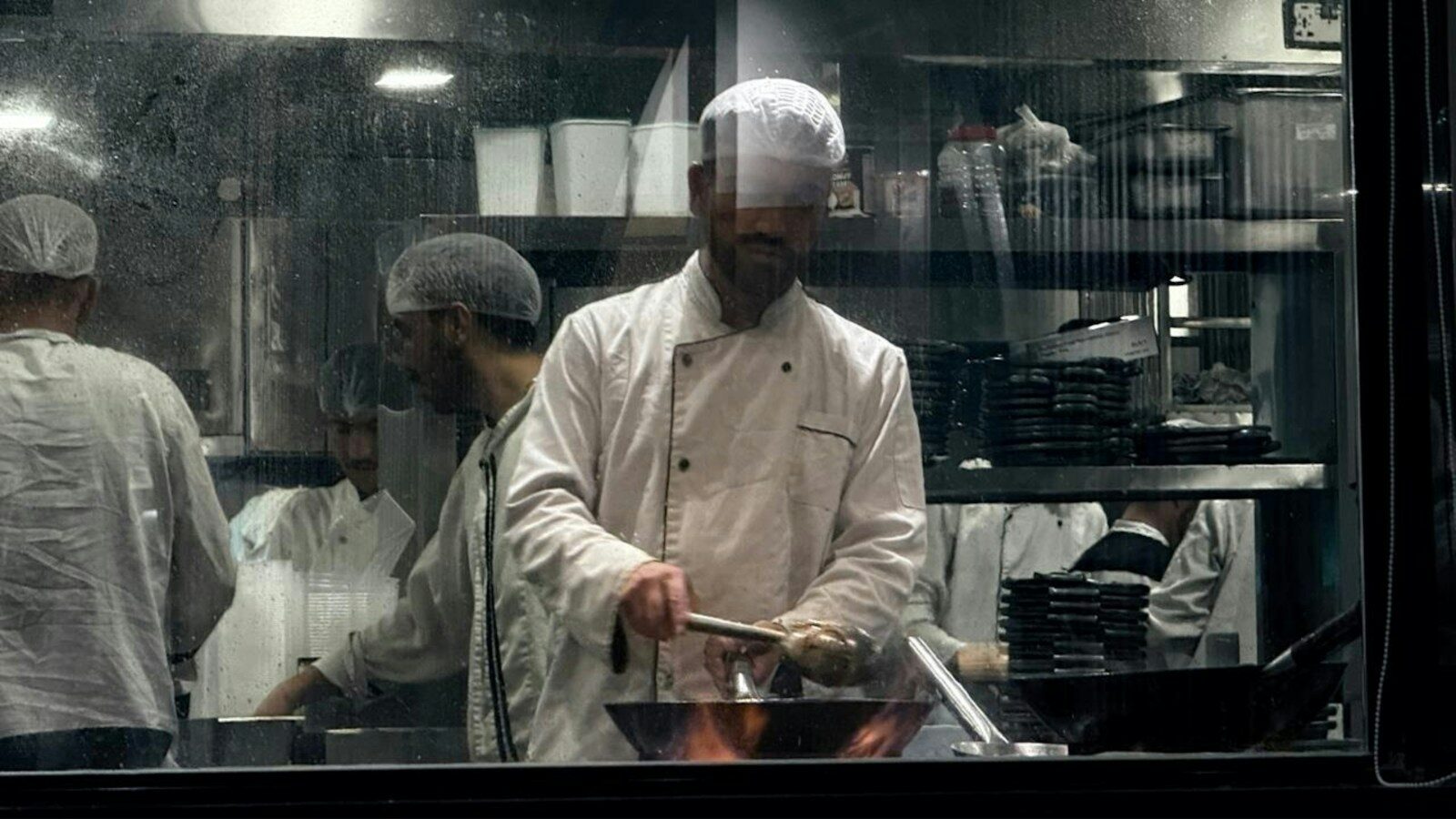
Every wholesale delivery is checked against its order before it leaves the shop — and the customer checks it again when it arrives. In Smart POS, the delivery record shows what was ordered, what was sent, and what was received, so a short carton or a thawed box is caught at the door, not discovered a week later when the bill is questioned. The cold chain is protected by the record as much as by the freezer.
That checking is what keeps wholesale customers. A restaurant that receives exactly what it ordered, frozen solid, on time, every week, has no reason to look for another supplier. A restaurant that receives short deliveries, or warm stock, has every reason to. The delivery record is the promise the shop makes — and keeps.
The customer who orders every week
A wholesale customer who orders every week is the steadiest money the shop has. In Smart POS, those customers have standing orders and weekly bills, settled from the record — what was delivered, on which days, at what price. The bill is built from the deliveries, so it is right, and the customer pays it without argument, week after week.
That is the business wholesale is built on: not one big sale, but the same sale, every week, for years. A shop that serves its wholesale customers well never has to worry about a quiet week at the counter, because the cartons are already going out the door. The record keeps those customers, and the customers keep the shop.
With wholesale orders on their own record, every delivery checked cold and counted, and weekly bills built from real deliveries, a frozen food shop can supply restaurants and shops as reliably as it serves its own counter. The cartons go out on time, the freezers stay full, and the money comes in — every week, without the chase.
Smart POS is built for frozen food in Pakistan: wholesale orders, batch records, and delivery lists that keep cold stock moving.
See how Smart POS works for frozen food — Smart POS for Frozen Food. Try free for 15 days, no credit card required.