
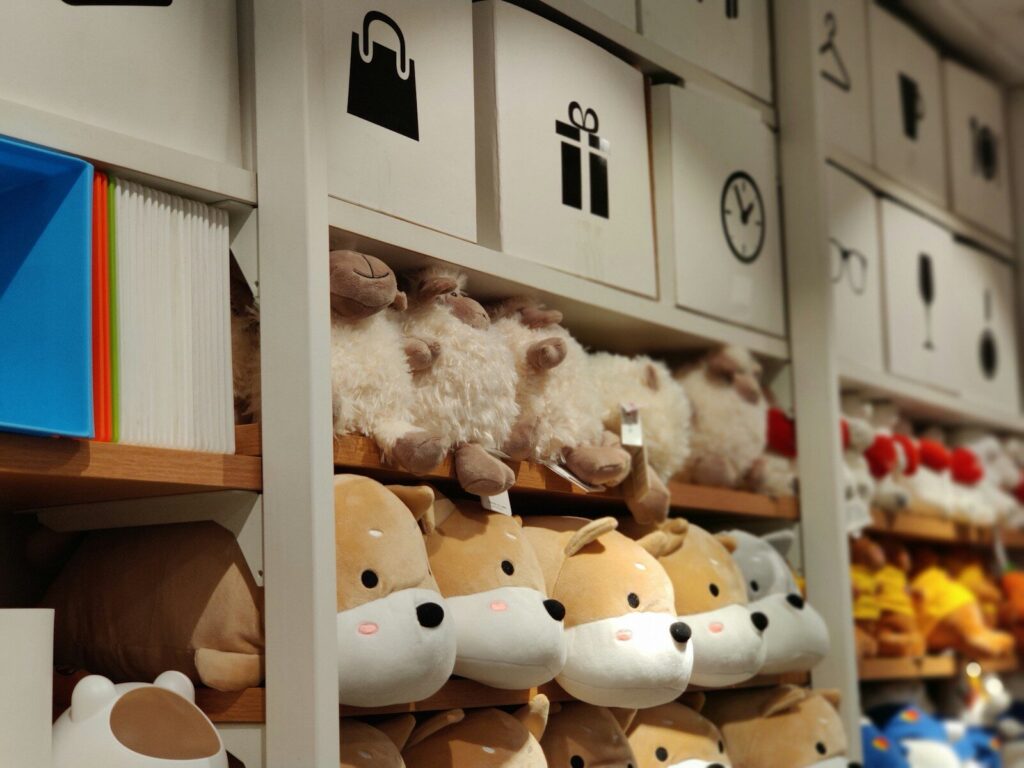
A toy shop sells to every age at once. A rattle for a baby, a doll for a five-year-old, a remote-control car for a ten-year-old, a board game for the family — all of them sit on the same shelves, and every customer who walks in is shopping for one particular age. The mother buying for her three-year-old does not want the toy for a ten-year-old, and the father buying a birthday gift does not want to guess whether the toy is right for his son’s age. And the shop that cannot tell them, quickly and with confidence, loses the sale to the shop that can.
That is the age problem. Toys are bought by age, but most toys shops count stock by toy. The system says twenty toy cars are in stock — but for which ages? The cars for three-year-olds may be finished while the cars for eight-year-olds sit untouched, and the system cannot tell the difference. The shopkeeper finds out the same way every time: a parent asks for the age she needs, and the answer is no.
The age on the box
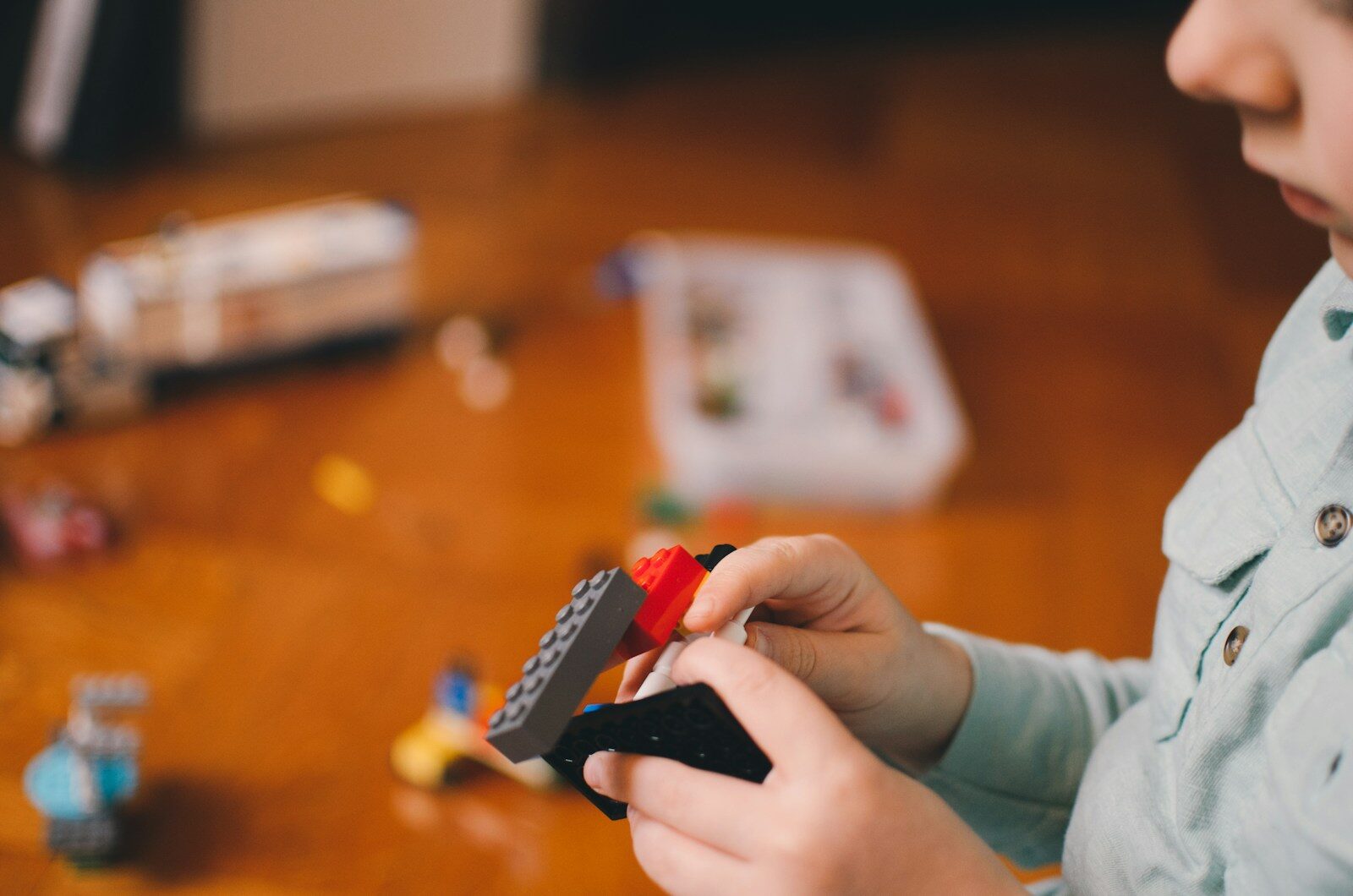
Every toy carries its age on the box — 3+, 5+, 8+ — and parents read it before they buy. A toy that is too young bores the child in a day. A toy that is too old frustrates the child, or has small parts that are not safe for a younger one. So the parent asks, and the shopkeeper has to know: is this doll right for a four-year-old? Is this game too hard for a seven-year-old? Is this car safe for a two-year-old?
Without age-wise stock, the shopkeeper answers from memory, and memory is wrong about the shelf. The shop may have the toy, but not in the age the parent wants. Or it may have it in the right age, buried behind the wrong ones, and the shopkeeper cannot find it. The parent waits, the child gets restless, and the sale walks out of the door to the shop that knew its ages.
Battery or not, brand or not

Age is not the only way toys differ. A remote-control car needs batteries and a push-along car does not — and the parent who buys the battery toy wants the batteries with it, today. A doll from a famous brand costs more than a plain one, and the child who asked for it by name will not accept the plain one. A board game for the family is a different sale from a puzzle for one child, even when both sit on the same shelf.
In Smart POS, each of these is a variant with its own stock and price. The battery car and the plain car are not the same item, and the shop knows how many of each it holds. The branded toy and the plain toy are counted separately, so the shop can see which one the customers actually ask for.
Ordering by age, not by guess
That counting also sets the order right: the shop orders the ages that sold, not the same number of every age. The ages every parent asks for come back in quantity, the slow ages in a few pieces, and the shop stops filling its shelves with ages that will sit for months. The money goes where the customers are, and the godown stops holding stock nobody wants.
Age-wise stock also gives the shop warning: an alert fires when a popular age is down to its last few pieces — before it runs out, not after. The shopkeeper orders in time, the age is on the shelf when the next parent asks, and the birthday gift that would have walked out stays in the shop.
With stock counted by age, variants kept separate for brands and battery toys, and alerts before the popular ages run out, a toys shop stops losing sales to a missing age. The shelf stays honest, the ages stay available, and the parent who asks for her child’s age finds it — the first time she asks.
Smart POS is built for toys stores in Pakistan: age-wise stock, brand and battery variants, and alerts before the popular ages run out.
See how Smart POS works for toys shops — Smart POS for Toys Store. Try free for 15 days, no credit card required.