
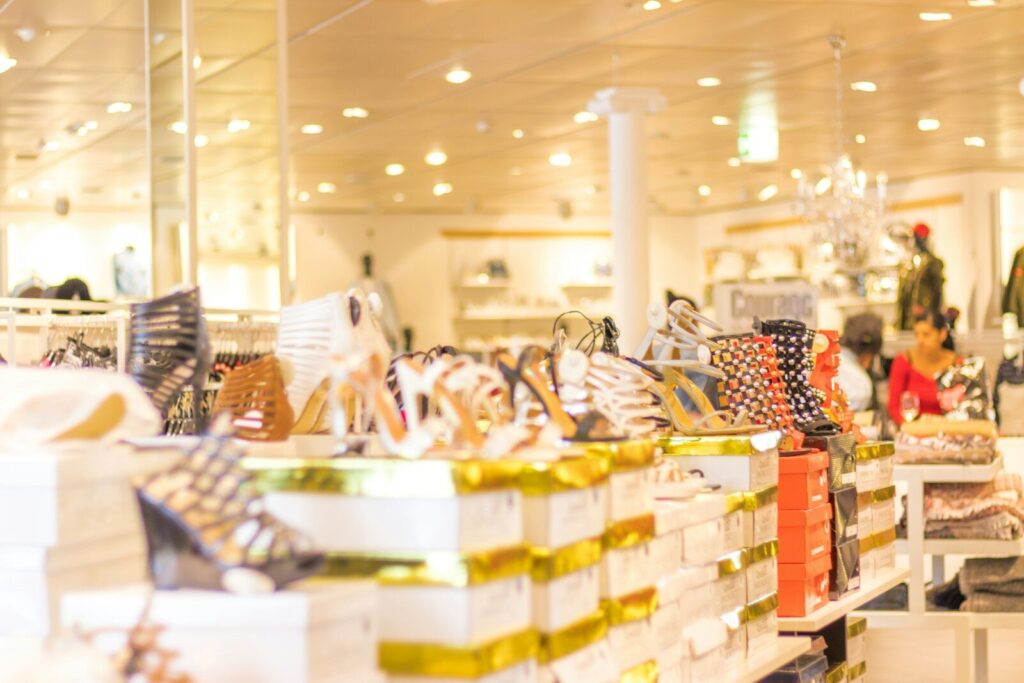
For most of the year, a shoes shop sells steadily — a pair of school shoes here, a pair of sandals there, a few formal shoes for an office. Then Eid arrives, and the winter season with it, and the shop’s whole year is decided in a few weeks. Every family buys new shoes, every child needs a pair for the festival, and every customer wants the newest designs, in the right size, at once.
That is the season problem. The demand is certain, but the sizes are not. Last Eid’s best seller may be this Eid’s slow mover. The design every customer wanted in summer may sit untouched by winter. And the shop that orders from memory — from what the owner feels sold well — will always run out of the right sizes and be left with the wrong ones.
The season arrives all at once
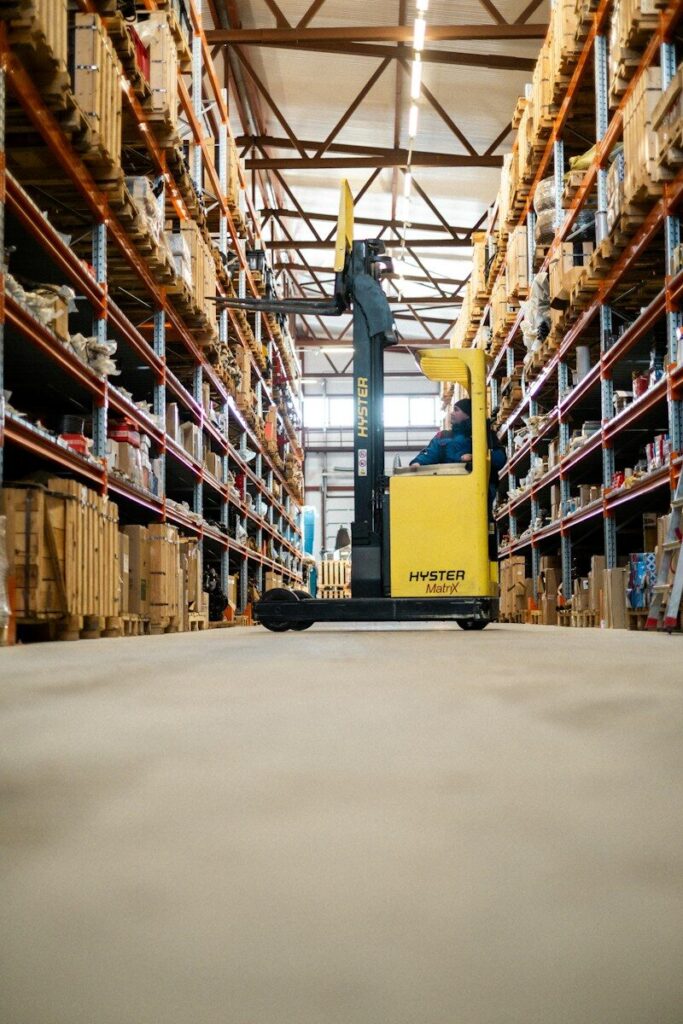
The rush does not build slowly. One week the shop is quiet; the next week every counter has a queue, and the popular sizes are gone in days. A customer asks for the design his son wants for Eid, in size 5, and it is already finished. He buys a second choice, or he buys nothing and goes to the shop down the road — and the shop that was full a week ago is now explaining why its best designs are out of stock.
That is what happens when the season is met with a guess. The shop ordered what it thought would sell, in the quantities it thought it needed, and the first week of the season proves the guess wrong. The rest of the season is spent chasing stock, borrowing from the godown, and telling customers to come back next week — when Eid is this week.
Ordering before the rush
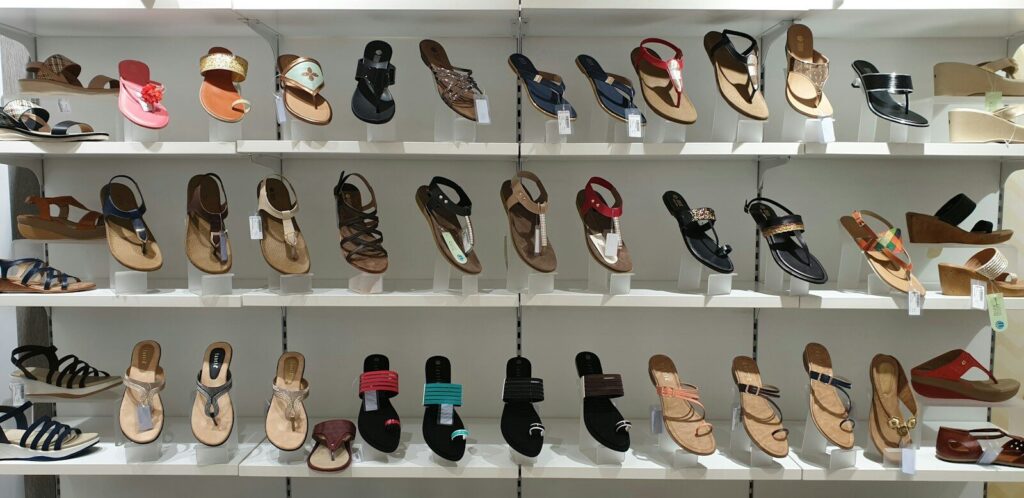
In Smart POS, last season is a record, not a memory. Which designs sold, which sizes ran out first, which brands the customers asked for, and when the rush actually began — all of it is on the sales record, waiting to be read before the next season’s order is placed. The owner orders what sold, in the sizes that sold, instead of what feels right.
That record also keeps the order honest. The supplier delivers against a purchase order, the delivery is checked at the counter, and the shoes go onto the shelves in the system the same day they arrive. When the rush begins, the shelf count is true, the popular sizes are actually there, and the shopkeeper is selling — not searching the godown for a pair the system says is in stock.
After the season, the record that remains
When the season ends, the record does the work again. What is left on the shelf is counted, size by size, so the shop knows exactly what to carry into the quiet months and what to clear. Slow designs can be offered at a clear discount instead of sitting for a year. The sizes that sold out can be ordered again before the next season, in the quantities the record proves they need.
That is how a shoes shop makes the season pay twice: once in sales, and once in the record it leaves behind. The next season starts with evidence, not a guess — and the shop that was caught short last Eid is the shop that is fully stocked for the next one.
With last season’s sales on record, orders placed on evidence, deliveries checked at the counter, and slow stock cleared honestly, a shoes shop meets Eid and winter ready. The popular sizes are on the shelf, the customers find what they came for, and the season’s rush becomes the shop’s best weeks of the year.
Smart POS is built for shoes shops in Pakistan: seasonal sales records, purchase orders that match deliveries, and size-wise stock counts that stay true.
See how Smart POS works for shoes shops — Smart POS for Shoes Shops. Try free for 15 days, no credit card required.