
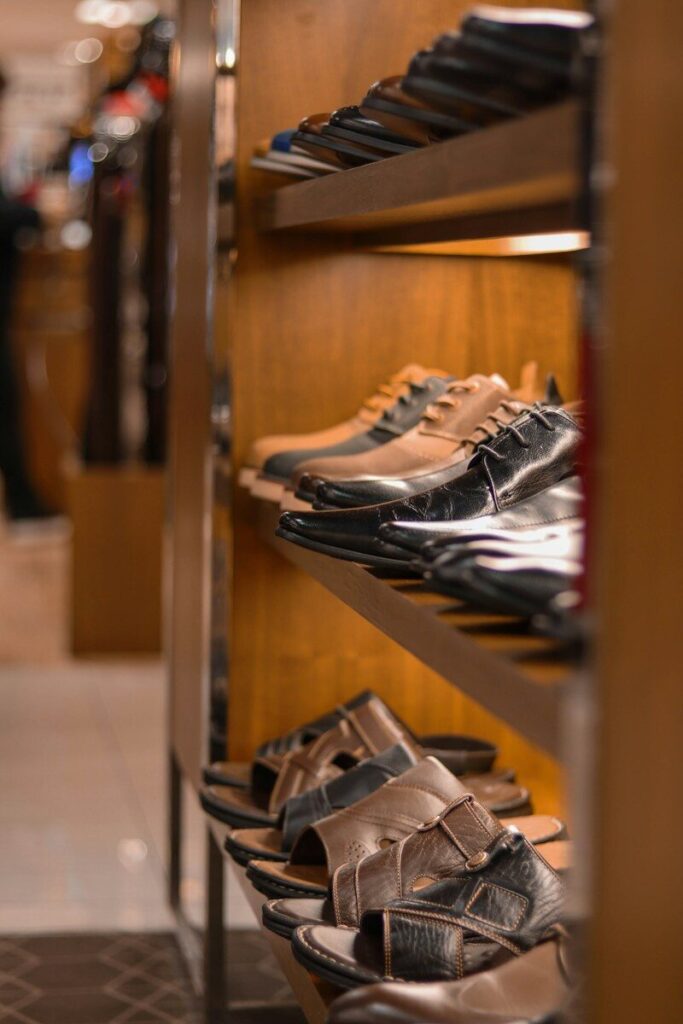
A shoe is not one product. It is ten products, one for each size — and the size the customer wants is almost always the size that is finished. A father comes in for school shoes for his son, size 4, and the shelf has size 3 and size 5. A young man wants his favourite design in size 9, and the shop has every size except 9. The customer leaves, the sale leaves with him, and the shop is left with a shelf full of sizes nobody asked for.
That is the size problem. Shoes are bought by size, but most shoes shops count stock by design. The system says twelve pairs of a design are in stock. The shelf says twelve pairs — but which sizes? Nobody knows without counting by hand. And when the popular sizes run out, the shop finds out the same way every time: a customer asks, and the answer is no.
The size everyone wants
The trouble is that sizes do not sell evenly. In every design, two or three sizes sell twice as fast as the rest. The middle sizes — the ones most feet actually are — go first, and the very small and very large sizes sit on the shelf for months. A shop that counts only pairs cannot see this. It sees twelve pairs in stock and thinks the design is fine, while the sizes that actually sell are already gone.
That gap shows up at the counter, in front of the customer. The shopkeeper brings out the design the customer likes, checks the sizes, and finds the one size missing. The customer tries a size up, then a size down, and neither fits. He thanks the shopkeeper and walks out — and the shop has lost a sale it could have made, because the size it needed was the size it had stopped watching.
Counting by size, not by pair
In Smart POS, stock is counted by size, so a design and its sizes are never confused. A shoe is recorded as its sizes — UK 6, 7, 8, 9, 10 — and every sale takes exactly the right size out of stock. The shelf count is true at all times, and the shopkeeper can see, in a moment, which sizes of each design are still there and which are finished.
That counting also sets the order right. When the shop orders more of a design, it orders the sizes that sold, not the same number of every size. The middle sizes come back in quantity, the slow sizes come back in a few pairs, and the shop stops filling its shelves with sizes that will sit for months. The money goes where the customers are, and the godown stops holding stock nobody wants.
Ordering before the shelf empties
Size-wise stock also gives the shop warning. A low-stock alert fires when a popular size is down to its last few pairs — before it runs out, not after. The shopkeeper orders in time, the size is on the shelf when the next customer asks, and the sale that would have walked out stays in the shop.
That warning is worth most at the seasons, when a whole city buys shoes at once. Before Eid, every family needs new shoes, and the sizes go fast. A shop that knows its sizes — which ones sold last Eid, which ones ran out first — orders this Eid with evidence, not a guess. The popular sizes are on the shelf when the rush comes, and the shop sells through the season instead of explaining why the right size is finished.
With stock counted by size, orders placed on what actually sold, and alerts before the popular sizes run out, a shoes shop stops losing sales to a missing size. The shelf stays honest, the sizes stay available, and the customer who asks for his size finds it — the first time he asks.
Smart POS is built for shoes shops in Pakistan: size-wise stock, colour and brand variants, and alerts before the popular sizes run out.
See how Smart POS works for shoes shops — Smart POS for Shoes Shops. Try free for 15 days, no credit card required.