
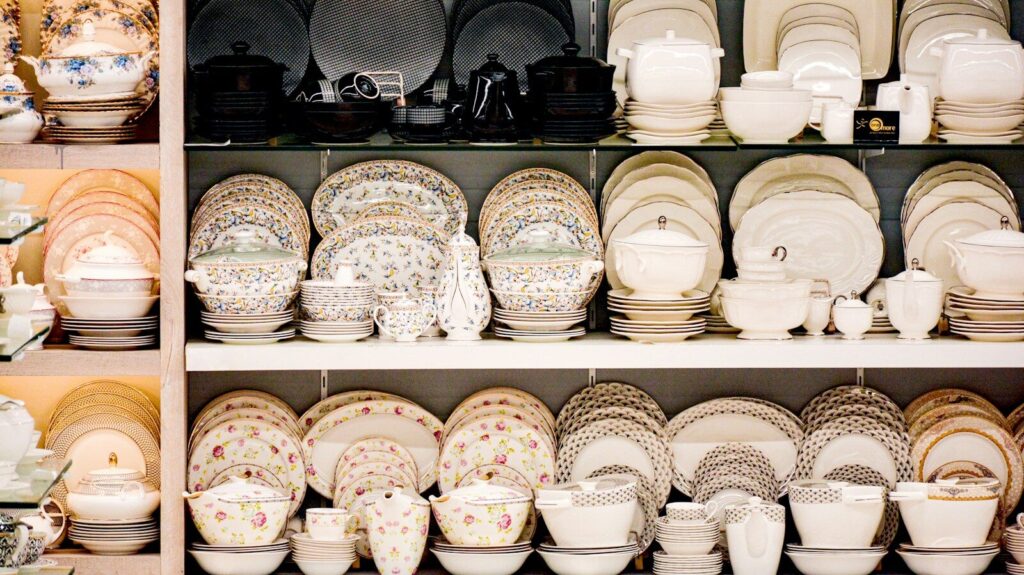
For most of the year, a crockery shop sells steadily — a dinner set here, a tea set there, a few glasses to replace the broken ones. Then Eid arrives, and the wedding season with it, and the shop’s whole year is decided in a few weeks. Families buy new dinner sets for the house, brides choose crockery for their new homes, and every customer wants the newest designs, in full sets, at once.
That is the season problem. The demand is certain, but the designs are not. Last year’s best seller may be this year’s slow mover. The set every bride wanted in spring may sit untouched by winter. And the shop that orders from memory — from what the owner feels sold well — will always run out of the right designs and be left with the wrong ones.
The season arrives all at once
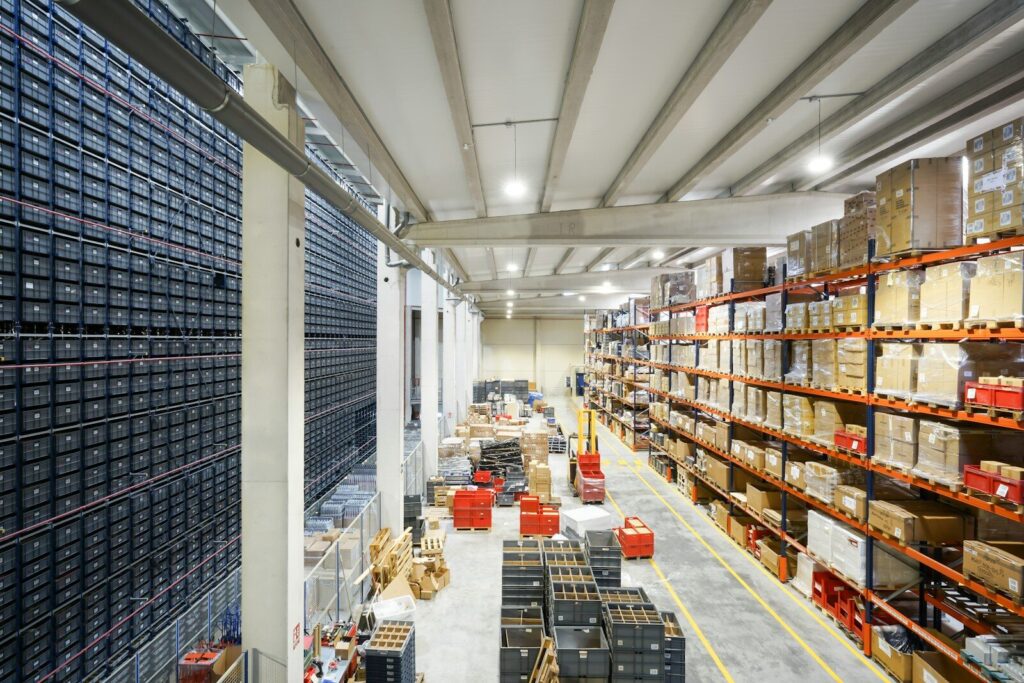
The rush does not build slowly. One week the shop is quiet; the next week every counter has a queue, and the popular dinner sets are gone in days. A customer asks for the design her sister bought last month, and it is already finished. She buys a second choice, or she buys nothing and goes to the shop down the road — and the shop that was full a week ago is now explaining why its best designs are out of stock.
That is what happens when the season is met with a guess. The shop ordered what it thought would sell, in the quantities it thought it needed, and the first week of the season proves the guess wrong. The rest of the season is spent chasing stock, borrowing from the godown, and telling customers to come back next week — when the wedding is this week.
Ordering before the rush
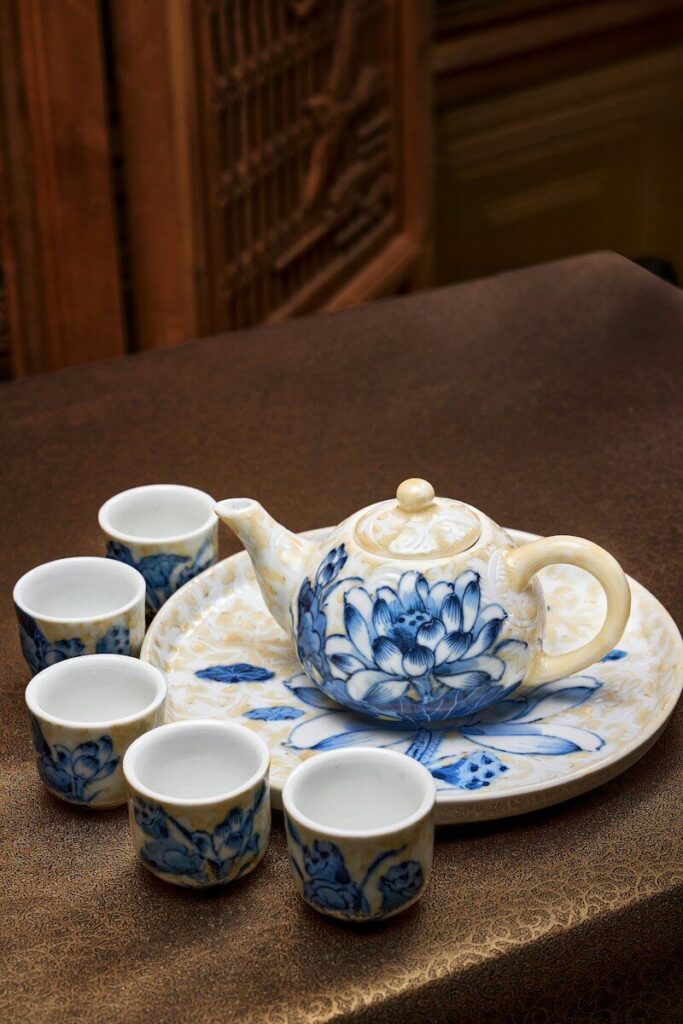
In Smart POS, last season is a record, not a memory. Which dinner sets sold, which designs ran out first, which sizes the brides asked for, and when the rush actually began — all of it is on the sales record, waiting to be read before the next season’s order is placed. The owner orders what sold, in the quantities that sold, instead of what feels right.
That record also keeps the order honest. The supplier delivers against a purchase order, the delivery is checked at the counter, and the sets go onto the shelves in the system the same day they arrive. When the rush begins, the shelf count is true, the popular designs are actually there, and the shopkeeper is selling — not searching the godown for a set the system says is in stock.
After the season, the record that remains
When the season ends, the record does the work again. What is left on the shelf is counted, piece by piece, so the shop knows exactly what to carry into the quiet months and what to clear. Slow designs can be offered at a clear discount instead of sitting for a year. The sets that sold out can be ordered again before the next wedding season, in the quantities the record proves they need.
That is how a crockery shop makes the season pay twice: once in sales, and once in the record it leaves behind. The next season starts with evidence, not a guess — and the shop that was caught short last Eid is the shop that is fully stocked for the next one.
With last season’s sales on record, orders placed on evidence, deliveries checked at the counter, and slow stock cleared honestly, a crockery shop meets Eid and wedding season ready. The popular designs are on the shelf, the customers find what they came for, and the season’s rush becomes the shop’s best weeks of the year.
Smart POS is built for crockery shops in Pakistan: seasonal sales records, purchase orders that match deliveries, and stock counts that stay true.
See how Smart POS works for crockery shops — Smart POS for Crockery Shops. Try free for 15 days, no credit card required.