
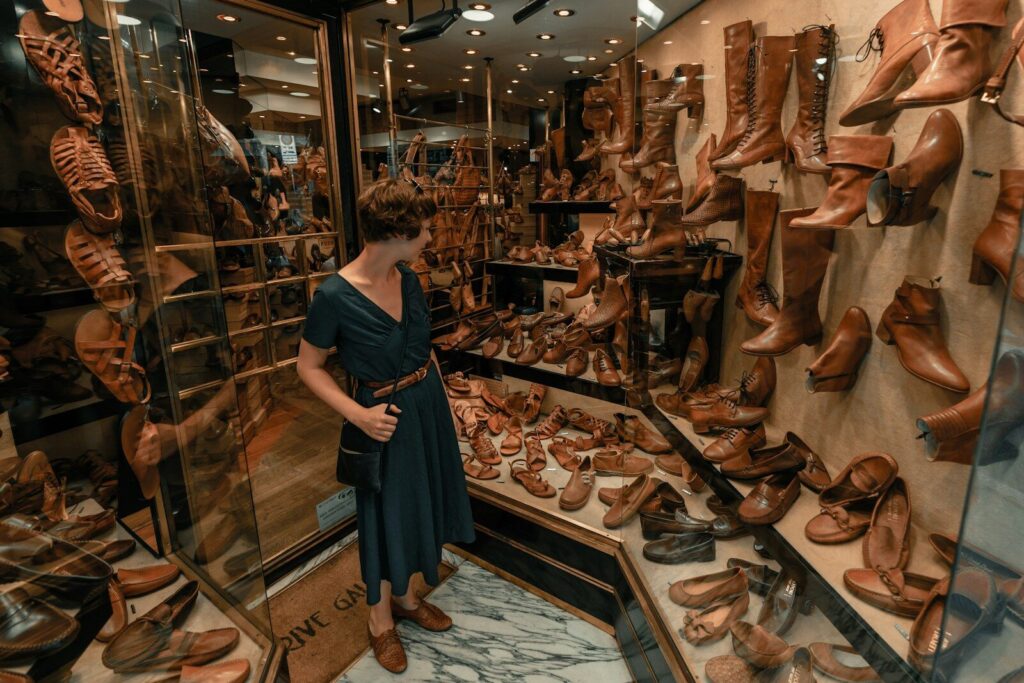
Shoes come back. A son tries his new school shoes at home and they pinch. A father buys a pair for his wife without her there, and the size is wrong. A bride’s shoes look right in the shop and feel wrong by evening. In every shoes shop, a part of every day’s sales walks back through the door — and how the shop handles that return decides whether the customer ever comes back.
That is the exchange problem. The customer is already unhappy — the shoes do not fit, the gift is wrong, the money is spent. If the exchange is also difficult, the customer remembers the shop for the wrong reason. And if the shop handles it badly, it loses twice: the sale, and the customer.
The shoe that came back
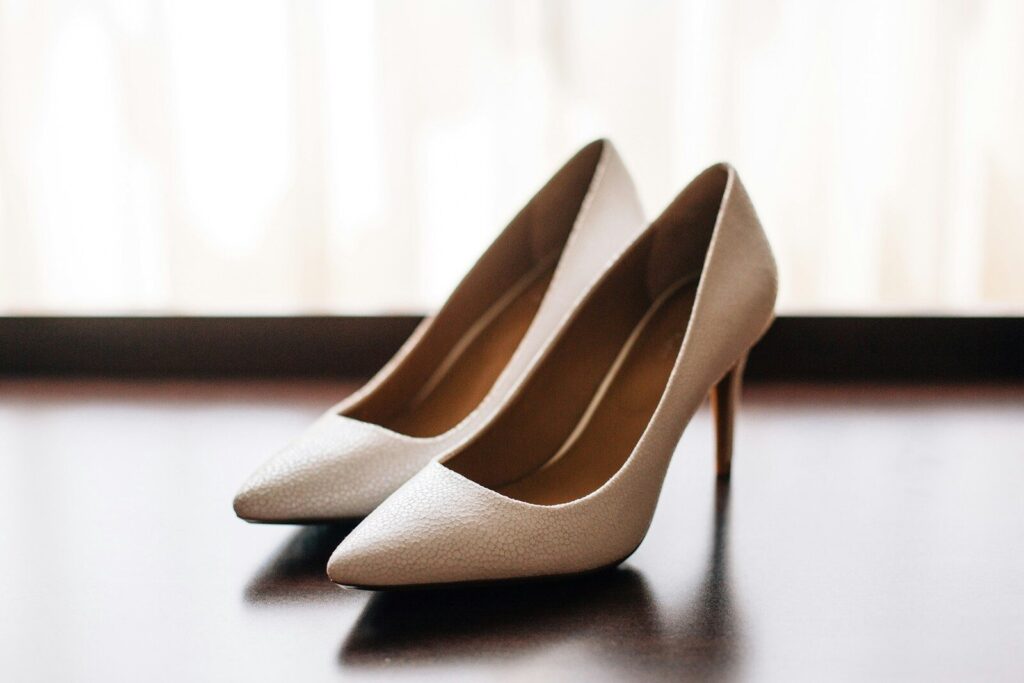
The trouble starts because a return is judged from memory. The customer brings back a pair of shoes and says they are the wrong size. The shopkeeper has to decide, on the spot, whether the shoes were sold here, when they were sold, and whether they have been worn. Without a record, the decision is a guess — and a guess at the counter, in front of a queue, is an argument waiting to happen.
That argument costs more than the pair of shoes. The customer who is refused an exchange tells his family. The customer who is given an exchange he did not deserve costs the shop a pair it can never sell as new. Either way, the shop loses — because it decided from memory instead of from a record.
An exchange, not an argument
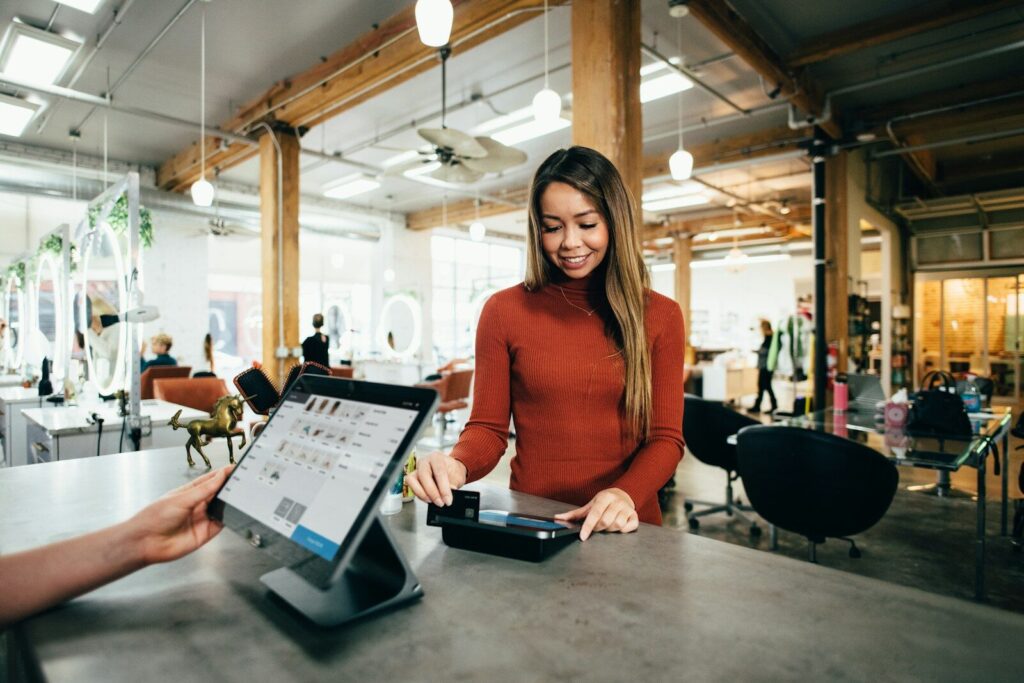
With a sales record, the return is simple. The bill shows what was sold, in which size, and when. The shopkeeper checks the bill, takes the shoes back, and gives the right size from the shelf — and the exchange is recorded against the original sale, so the stock count stays true and the accounts stay straight.
That record also keeps the returned pair honest. A shoe that came back unworn goes back on the shelf in the right size. A shoe that came back damaged goes onto the damage record, not back onto the shelf to be sold again. Nothing is left to drift, and the shop knows exactly how many pairs came back each month — instead of guessing.
What the return record shows
Over time, that record tells the shop something useful. Which designs come back most often, and in which sizes? Which sizes are most often exchanged — and is the shop’s sizing running small? A design that is returned again and again is a design with a problem, and the shop can stop ordering it, or order it in the sizes that actually fit, instead of finding out one unhappy customer at a time.
The record also protects the shop from the return that is not honest. A pair bought months ago, worn and returned, is easy to spot against the bill date. The shopkeeper can say no with evidence, politely, instead of giving in to avoid a scene — or refusing a genuine customer and losing her for good.
With every return tied to its original sale, every exchange recorded, and every returned pair dealt with properly, a shoes shop turns its most awkward moment into its best one. The customer who came back unhappy leaves with the right size — and with a reason to come back again, next time, to buy.
Smart POS is built for shoes shops in Pakistan: returns and exchanges tied to the original sale, size-wise stock, and records that settle every return fairly.
See how Smart POS works for shoes shops — Smart POS for Shoes Shops. Try free for 15 days, no credit card required.