
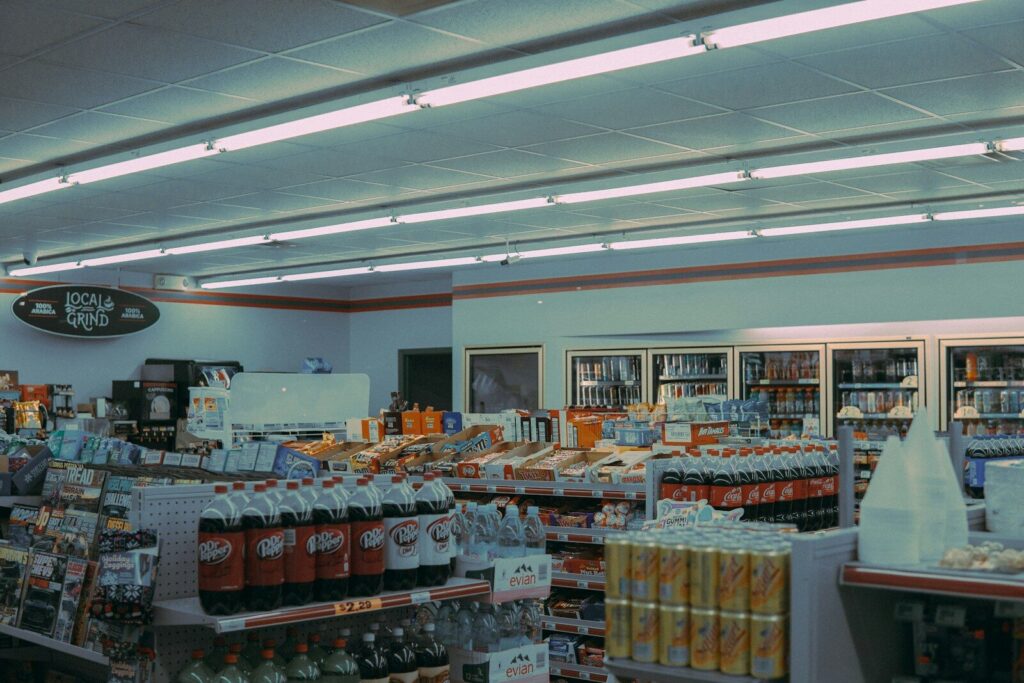
A petrol pump never really closes. Through the night, drivers stop for fuel — truck drivers on long routes, families on the motorway, night-shift workers heading home — and while the tank is filling, they walk into the mini mart. They want a cold drink, a packet of biscuits, a snack for the road, and they want it now, because the road is waiting. It is the same tuck shop trade as a school canteen, but the customers are always in a hurry, and the shop is open when every other shop is shut.
That is the forecourt problem. The customer is not browsing — he is passing through. He has five minutes between the pump and the road, and if the counter is slow, he leaves without buying. The mini mart loses a sale it never had, to a driver who will stop at the next pump instead. And the shop that is open all hours must be ready at all hours — at midnight, when the staff are tired and the shelves are half empty.
The customer who is already in a hurry
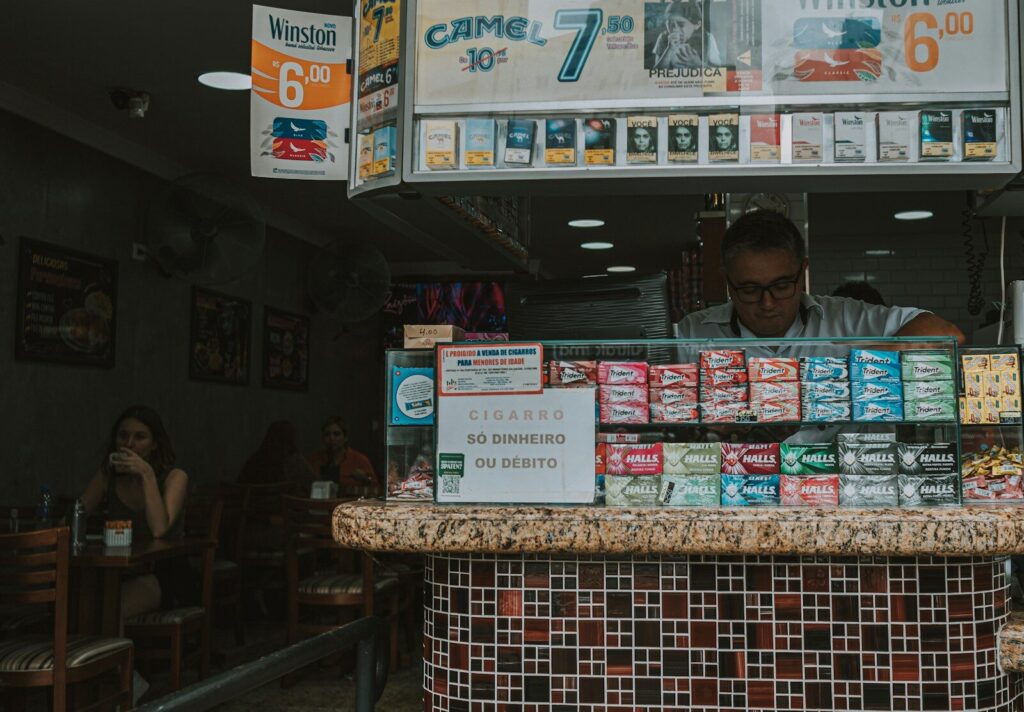
In Smart POS, the forecourt sale is built for speed. Every snack and drink is on the system with its price, so the counter scans, bills and takes the money in seconds — the driver is back at his car before the tank is full. There is no searching for a price, no guessing at a code, no queue forming behind a customer who only wanted a bottle of water.
That speed is what the forecourt earns on. A driver who is served quickly buys more than he meant to — a drink becomes a snack as well, a snack becomes a packet for the journey. A driver who waits leaves with nothing. In a mini mart, the speed of the counter is the difference between a sale and a missed one.
Long hours, short shifts
A shop that is open all hours is run in shifts, and shifts are where records usually fall apart. The morning staff hand over to the evening staff, the evening staff hand over to the night staff, and nobody quite knows what was sold, what was taken, or what is left. In Smart POS, every sale is on the record as it happens, so the handover is a number, not a guess: what was sold, how much cash is in the drawer, and what needs restocking before the next shift.
That record also keeps the night shift honest. A shop that is open at three in the morning, with one person at the counter, needs a record that cannot be argued with — the stock that was there, the sales that were made, and the cash that should be in the drawer. The owner checks the record in the morning and knows exactly what the night earned.
Stock that never runs out at midnight
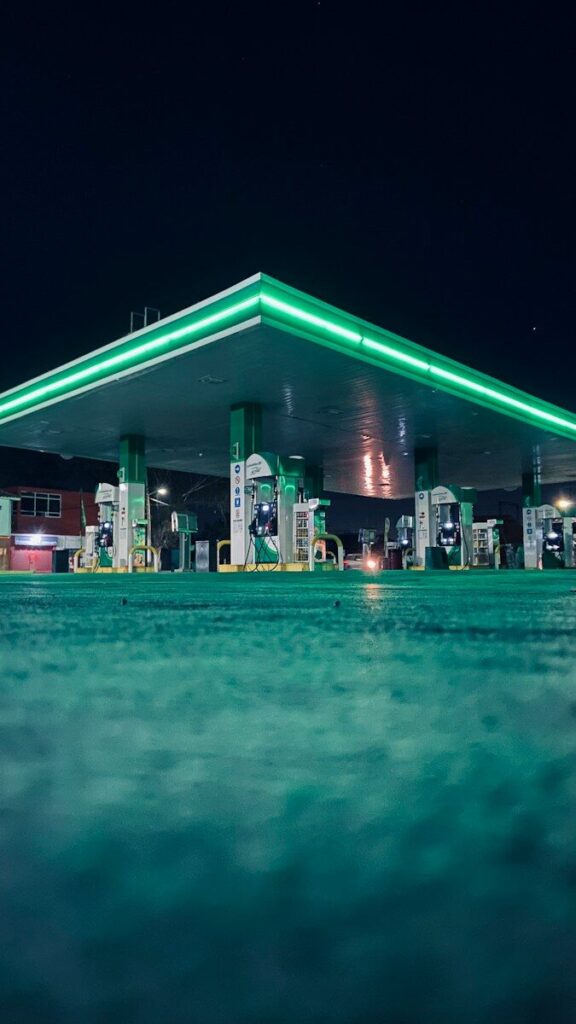
The forecourt customer buys what is on the shelf — and at midnight, the shelf is what the shop has. In Smart POS, the stock is counted before the night begins, so the owner knows what will last until morning and what will not. The drinks in the chiller, the snacks on the rack, the daily essentials — all of them are on the record, and the low-stock alert fires before the shelf is empty, not after the last driver has left empty-handed.
That counting is what keeps the long hours profitable. A mini mart that runs out of cold drinks at midnight turns away its best customers, at the hour when they have nowhere else to go. A mini mart that counted its stock serves them, takes their money, and sends them back to the road happy.
With every item priced and ready, every sale billed in seconds, and every shift counted on the record, a petrol-pump mini mart can stay open all hours with confidence. The drivers get their snacks, the shelves stay full, and the shop that never closes keeps earning — hour after hour.
Smart POS is built for tuck shops in Pakistan: fast billing, forecourt stock, and records that keep long hours honest.
See how Smart POS works for tuck shops — Smart POS for Tuck Shop. Try free for 15 days, no credit card required.