

In a school tuck shop, not every student pays in cash. A regular student buys a snack at break, has no change today, and the shopkeeper writes it in a notebook: his name, the snack, the amount. Tomorrow he buys a drink, and the notebook grows. By the end of the month, the notebook holds a dozen small amounts for a dozen students — and the parents are supposed to pay them all. It is the oldest credit in the school, and the hardest to collect.
That is the udhaar problem. The amounts are small, the students are many, and the notebook is the only record. A page is lost, a name is misspelt, a parent disputes the amount — and the shopkeeper cannot prove what was bought, or when. The money the shop is owed quietly disappears, a few rupees at a time, and the owner stops offering credit altogether — which loses the students who can only buy on udhaar.
The notebook that never adds up

A notebook cannot add. It cannot tell the owner which student owes the most, which parent has not paid in two months, or which amounts are from last term and which are from this week. In Smart POS, every student’s udhaar is on their own record: what they bought, on which day, and how much they owe. The notebook is replaced by a number that is always right.
That record also protects the student. A boy who is told he owes fifty rupees can see the five snacks that make it up — the dates, the items, the prices — and his parent can see them too. There is no argument, because the record is there for both sides to see.
One record per student
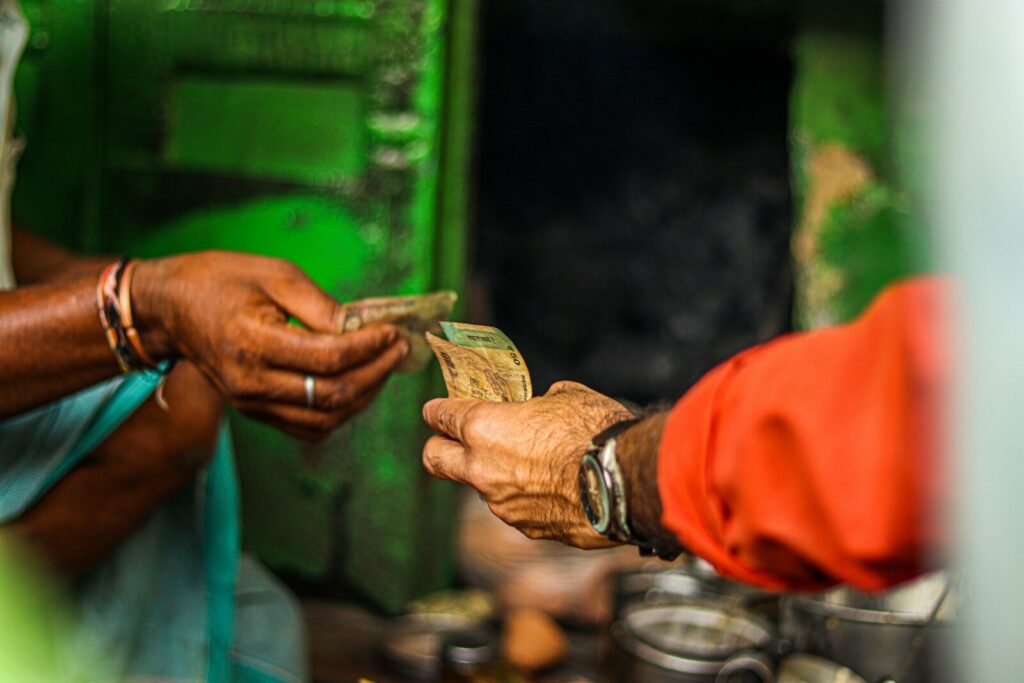
In Smart POS, each student has their own account — their name, their class, their purchases, and their balance. When a student buys on udhaar, the sale goes onto their record at once, and the balance is there for the shopkeeper to see. The student who is near his limit is told before he buys, not after the month ends. The parent who wants to know what their child is buying can be told, item by item.
That account also keeps the shop’s money safe. A student who owes too much is spotted before the debt grows. A student who always pays on time is trusted a little further. And the shopkeeper never has to remember who owes what — the record remembers, for every student, every day.
The monthly bill parents trust
At the end of the month, the udhaar becomes a bill — one bill per student, built from the record: every snack, every drink, every date, every price. In Smart POS, the parent receives a bill that is a list of what their child actually bought, not a round number somebody guessed. A bill that is right is paid. A bill that is guessed at is questioned, delayed, and argued over.
That is the difference between a tuck shop that is paid on time and one that is always waiting. The parents who trust the bill pay it, month after month, and the shop’s money comes in without the chase. The students keep buying on udhaar, the parents keep paying, and the shop never has to choose between its customers and its cash.
With every student’s udhaar on their own record, every purchase counted as it happens, and every monthly bill built from real sales, a school tuck shop can offer credit with confidence. The students buy, the parents pay, and the money the shop is owed comes back — every month, on time.
Smart POS is built for tuck shops in Pakistan: student credit records, monthly parent billing, and ledgers that keep every rupee honest.
See how Smart POS works for tuck shops — Smart POS for Tuck Shop. Try free for 15 days, no credit card required.