
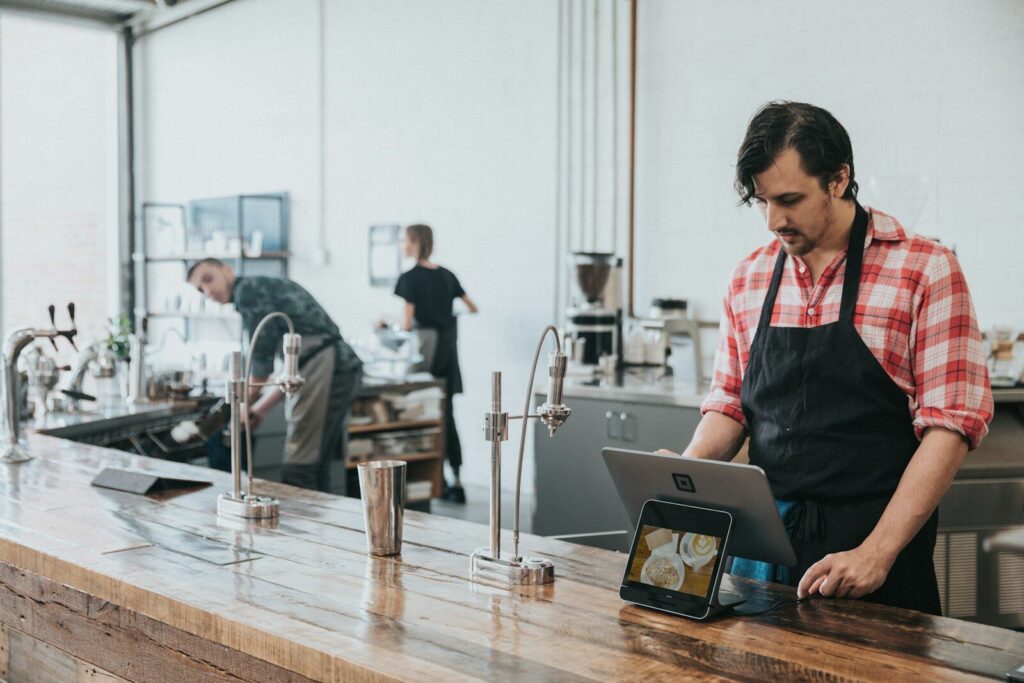
At noon, every office in the area orders lunch at the same time. The phones ring, the app orders pile up, and the walk-in queue reaches the door — all in one hour, all wanting food now, all with somewhere to be at one o’clock. It is the busiest hour of the fast food shop’s day, and the one with the least patience in it.
That is the lunch-rush problem. A hundred orders in an hour, each one different, each one urgent — and a kitchen that can only cook so fast. Without a record, the orders are shouted, the tickets are lost, and the customer who ordered first waits longest. A lunch rush handled badly does not just lose an hour’s sales; it loses the offices that order every day.
Twelve o’clock, every office at once
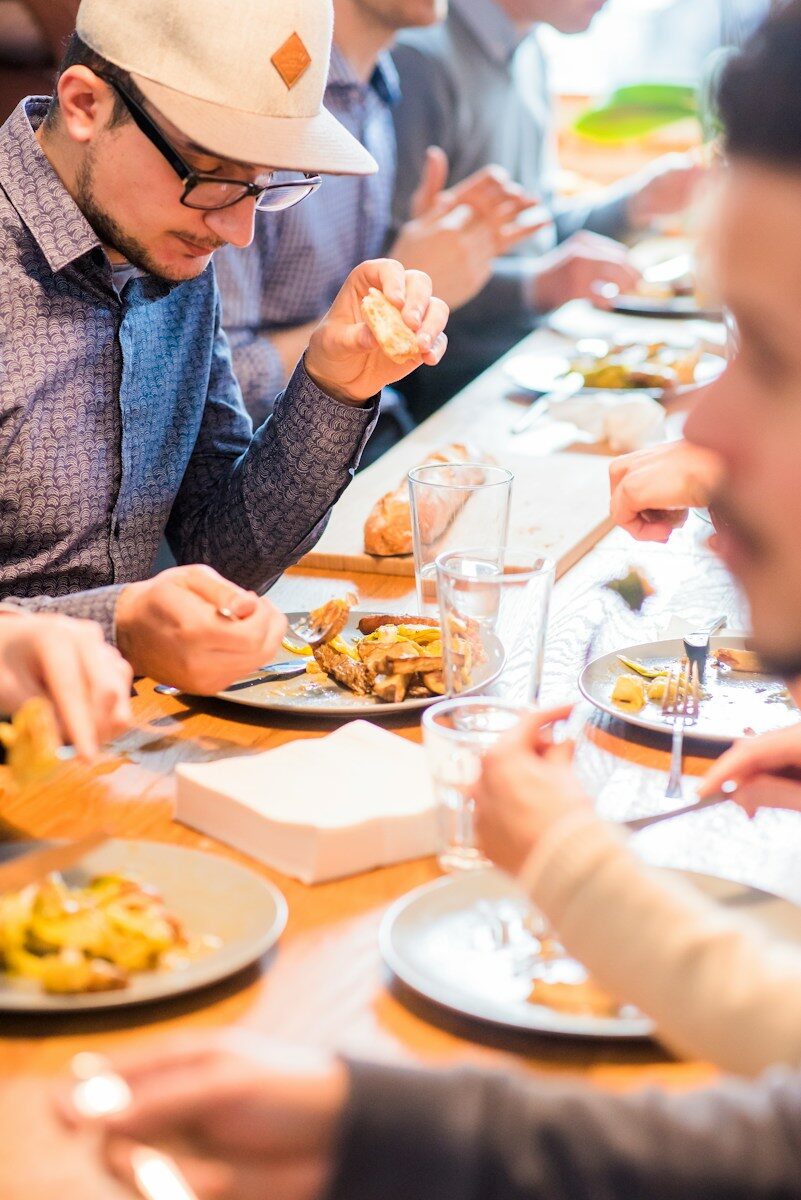
In Smart POS, the lunch rush is one record, not a hundred separate ones. Walk-in orders, phone orders, advance orders from offices — all of them go onto the same list, in the order they came, so the kitchen cooks in turn and the counter serves in turn. Nobody jumps the queue because they shouted loudest, and nobody is forgotten because their order was on a scrap of paper.
That order is what keeps the rush fair — and fast. The kitchen works through the list, the counter calls the orders as they are ready, and the queue moves. A rush that is recorded is a rush that can be managed. A rush that is shouted is a rush that ends in mistakes.
The order that is ready when they arrive
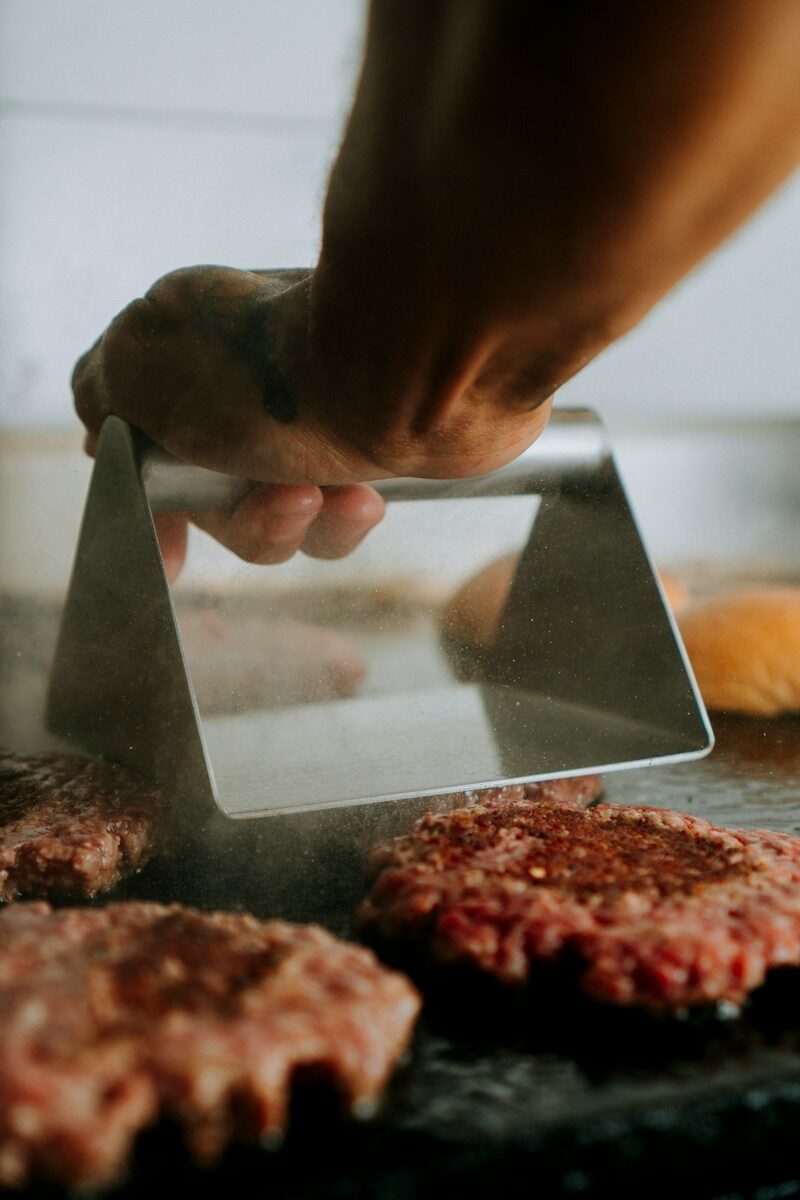
Offices do not want to wait — they want to collect. In Smart POS, an office order is taken in advance, cooked to a time, and packed before the customer arrives. The order is on the record with its time on it, so the kitchen knows when to start cooking, and the counter knows when to expect the customer. The food is hot, the bag is ready, and the customer is back at the office in minutes.
That is the service offices pay for, and the reason they order from the same shop every day. A lunch that is ready on time is a lunch the office trusts. A lunch that is late is an office that orders from somewhere else tomorrow — and the shop loses not one lunch, but every lunch that office would ever have ordered.
The counter that never stops
During the rush, the counter cannot stop — not for a missing item, not for a wrong bill, not for a question about the price. In Smart POS, every item is on the system, every price is on the bill, and every order is on the record, so the counter keeps moving. The staff do not have to search for a price or guess at a code while the queue grows behind the customer.
That speed is what the lunch hour is sold on. A customer served in two minutes leaves happy, and tells a colleague the shop is quick. A customer who waits twenty minutes leaves unhappy, and tells a colleague not to bother. In the lunch rush, the speed of the counter is the reputation of the shop.
With every order on one list, office lunches cooked to a time, and a counter that never stops, a fast food shop can take the lunch rush in its stride. The offices get their food on time, the queue keeps moving, and the busiest hour of the day becomes the most profitable one.
Smart POS is built for fast food in Pakistan: advance orders, fast billing, and records that keep the lunch rush moving.
See how Smart POS works for fast food — Smart POS for Fast Food. Try free for 15 days, no credit card required.