

An ice parlor sells scoops. A customer asks for a flavour, the scoop goes in the cup, the money changes hands, and the next customer steps forward. It is quick, simple, and — for the parlor — not very profitable. A scoop is a small sale, and a shop that only sells scoops needs a very long queue to make its month.
That is the dessert problem. The sundae, the shake, the waffle with ice cream — they take longer to make, they cost more to make, and they earn far more than a scoop. But they are also easier to get wrong: the toppings are not counted, the cost is not known, and the price is guessed. A dessert that is not costed can lose money faster than a scoop can earn it.
The dessert the customer did not expect
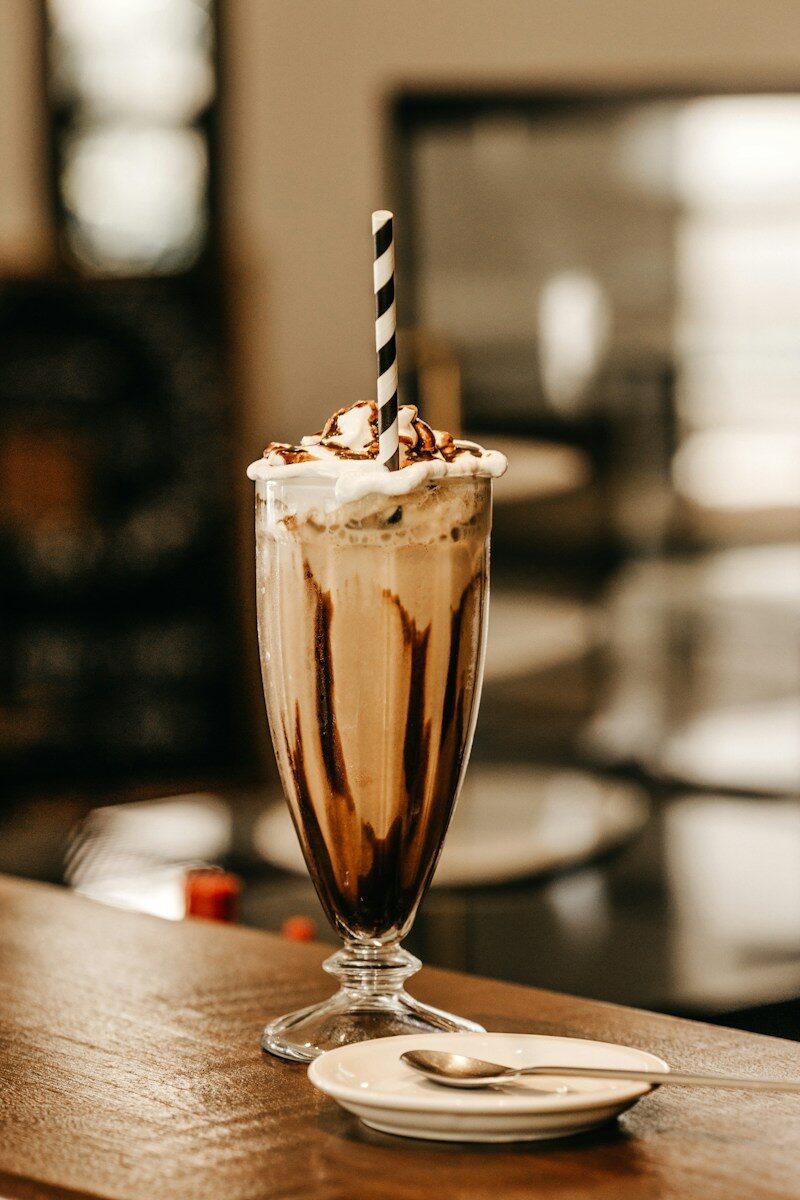
In Smart POS, desserts are on the menu as properly as scoops are — sundaes, shakes, waffles, family desserts, each with its own name and its own price. The counter offers them, the customer tries one, and the sale is bigger than a scoop would have been. A dessert that is offered is a dessert that sells; a dessert that sits on a board nobody reads is a dessert that never happens.
That offering is what turns a quick visit into a real sale. A family that came for four scoops leaves with two sundaes and a shake as well — and they leave happier, because the dessert was the best part of the visit. The parlor earns more, and the customer remembers the visit for the dessert, not for the queue.
Priced as a dessert, not as a scoop
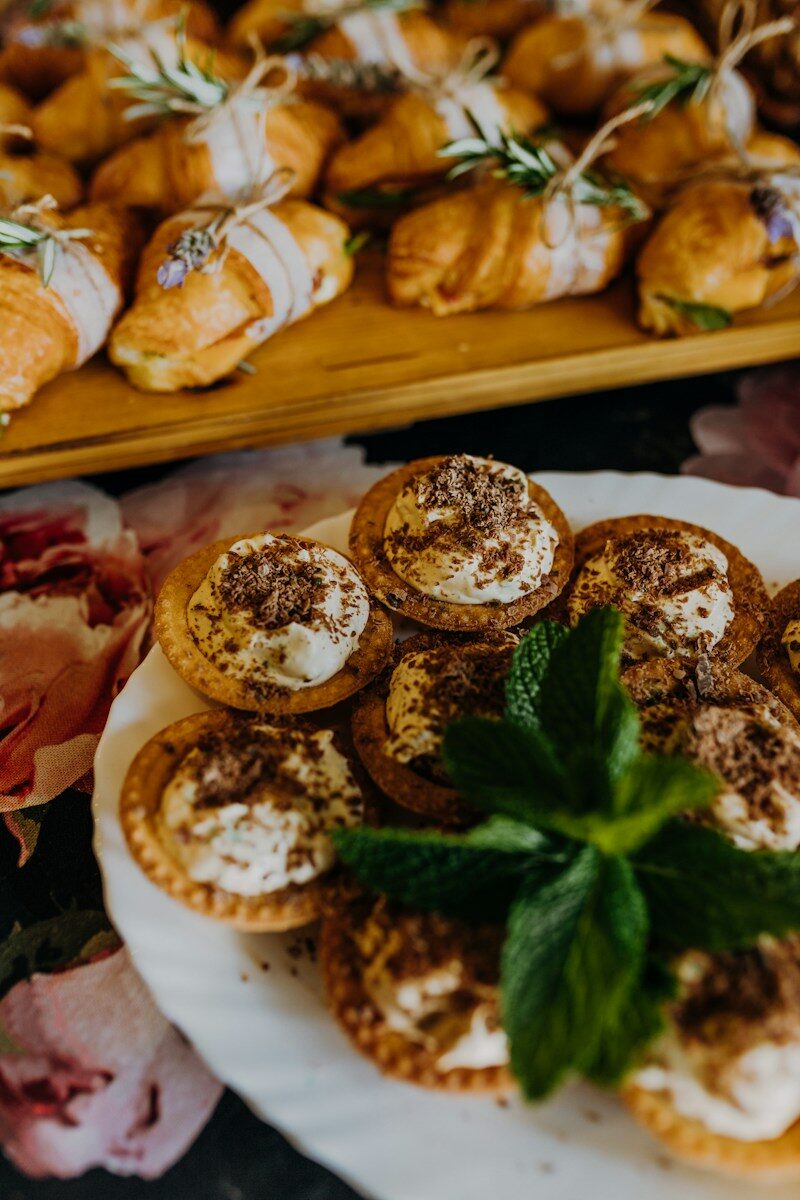
A dessert is more than a scoop with things on top — it is scoops, toppings, a glass, a wafer, and the time to make it. In Smart POS, every dessert is costed as a whole, so the owner knows what it costs to make and what it earns to sell. A sundae that looks generous but costs too much is spotted before it eats the margin, not after a month of selling it.
That costing is the difference between a dessert menu that earns and one that only looks impressive. The toppings that cost the most are the ones that need counting — the nuts, the chocolate, the sauces — because a free handful here and a free handful there is profit disappearing one spoon at a time. The record counts every topping, and the dessert earns what it should.
The menu that grows without the waste
A dessert menu should grow slowly, by evidence. In Smart POS, the sales show which desserts sell and which ones sit — the sundae that everyone orders, the shake that nobody asks for, the waffle that sells only on weekends. The desserts that sell are kept and promoted. The ones that do not are dropped before they waste more stock.
That is how a small counter becomes a dessert menu. The parlor does not need twenty desserts — it needs five that sell, costed properly, made well, and offered every time. The menu grows from what customers actually buy, and the freezer holds the stock for desserts that earn, not for desserts that impress nobody.
With desserts offered properly, costed as whole dishes, and a menu that grows from real sales, an ice parlor can earn far more than scoops alone. The counter still serves the queue — but now the queue leaves with sundaes and shakes as well, and the parlor’s month is made by desserts, not just by scoops.
Smart POS is built for ice parlors in Pakistan: dessert menus, item-wise costing, and sales records that turn scoops into sales.
See how Smart POS works for ice parlors — Smart POS for Ice Parlors. Try free for 15 days, no credit card required.