

A trader buys at the mandi price and sells at the market price, and the difference is supposed to be the profit. But the mandi price is only half the cost. The load must be weighed, loaded, carried to the godown, unloaded, and weighed again — and every one of those steps costs money that nobody writes down. The freight, the loading, the weighing, the handling — all of it is paid in cash, remembered in the head, and forgotten by the time the goods are sold. The trader thinks he earned the difference between the two prices. In truth, he earned much less — and sometimes, he earned nothing at all.
That is the true-cost problem. The mandi rate is shouted, written on a slip, and remembered. The freight is paid to a driver who leaves. The weighing fee is paid at the scale. The loading is paid to the men who lifted the sacks. None of it is on the same record as the purchase, so the selling price is set from the mandi price alone — and the margin quietly disappears into the costs nobody counted.
The load that cost more than its price

The trouble starts because the costs arrive separately, in cash, to different people, on different days. The driver is paid at the godown. The loaders are paid at the mandi. The weighing fee is paid at the scale. Each payment is small, and each one is forgotten — until the month ends and the money is not there. The trader sold at a price that covered the mandi rate, but not the journey, and the journey was the part that ate the profit.
That gap shows up in the worst way: a load that looked profitable and was not. The trader bought well, sold well, and still ended the month short — because the true cost was never added up. The mandi price was the only number on the record, and the record was only half the truth.
Weighed at the mandi, weighed at the godown
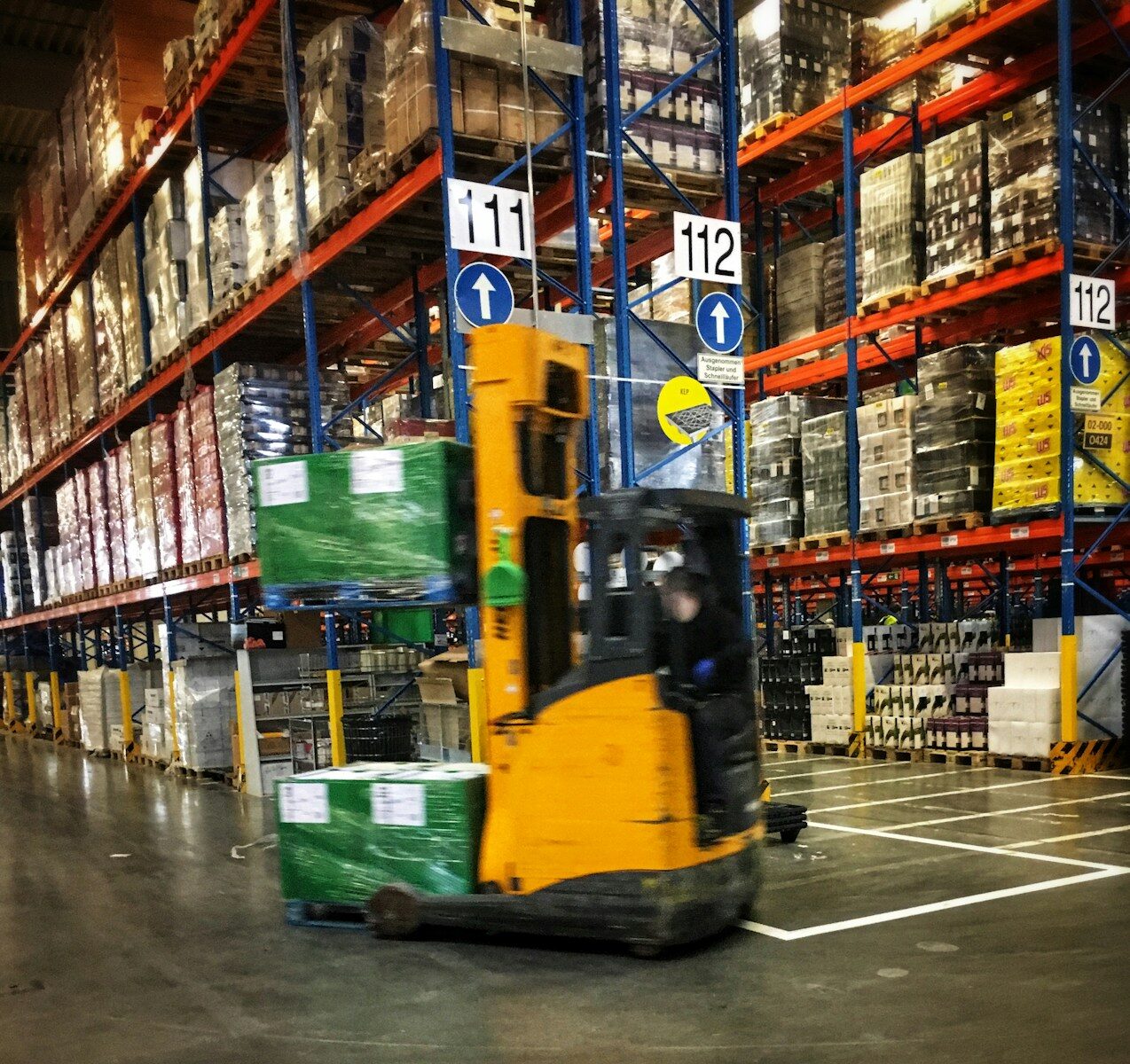
In Smart POS, every load is weighed twice — at the mandi and at the godown — and both weights are on the record. If the load is short at the godown, the shortage is caught at once, and the claim is made while the truck is still there, with the two weights to prove it. The sacks that left the mandi are the sacks that arrive, or the difference is known and claimed, not discovered at stocktaking weeks later.
That record also keeps the freight honest. What was paid to the driver, what was paid for loading, what was paid at the scale — all of it is recorded against the load, so the true cost of the load is there to read before the selling price is set. The trader does not guess the margin. He reads it.
The true cost before the sale
A selling price set from the true cost is a margin that can be protected. A selling price set from the mandi price alone is a margin that quietly disappears — a little on every load, every day, until the month ends and the money is not there. With the freight on the record, the trader sets his price from the real cost, and the profit he expects is the profit he actually makes.
Over a season, that record becomes the trader’s history: which routes cost most, which drivers are fair, which loads earned, and which ones only looked like they did. The trader who reads it buys better next season, because the buying follows the evidence — not just the mandi rate, but the whole journey from the mandi to the godown.
With every load weighed twice, every freight cost on the record, and every selling price set from the true cost, a trader stops paying for a journey he never counted. The loads arrive, the costs are known, and the margin is real — because the record carries the whole load, not just its price at the mandi.
Smart POS is built for traders in Pakistan: purchase and freight records, double weighing, and ledgers that show what a load really cost.
See how Smart POS works for traders — Smart POS for Traders. Try free for 15 days, no credit card required.