
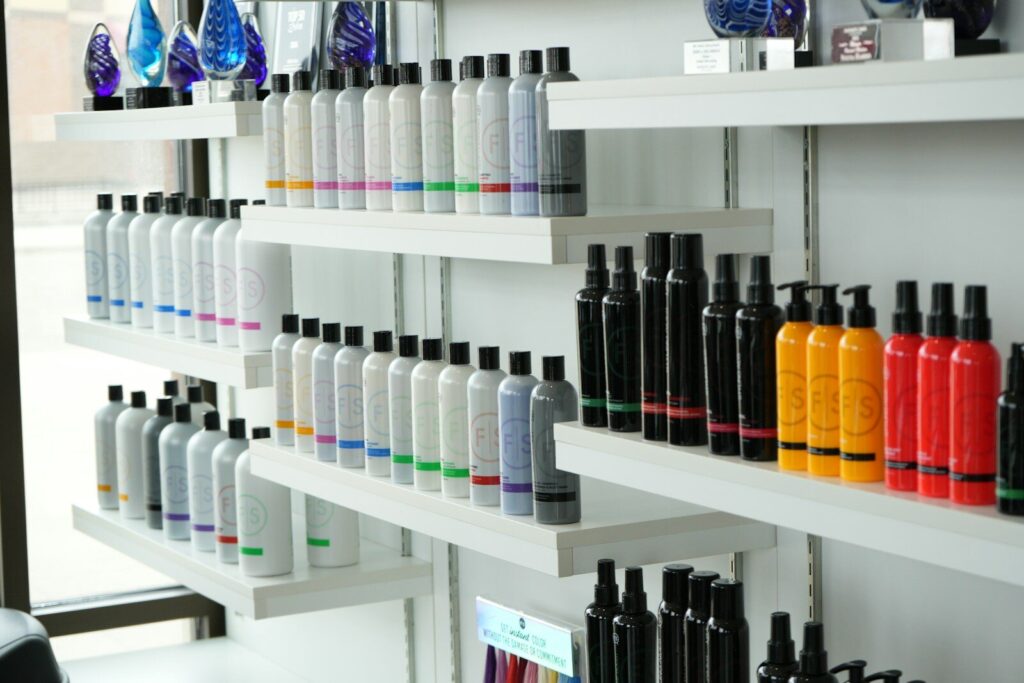
Every salon sells two things, and most salons only count one. The first is the service — the cut, the colour, the facial — billed at the chair and recorded on the appointment. The second is the product — the shampoo used during the wash, the cream applied after the facial, the oil the stylist recommends — and the client who loved it at the chair is ready to buy it at the shelf. But the shelf is an afterthought. The bottles are there, nobody counts them, and the sale that should have happened walks out of the door with the client, unmade.
That is the retail problem. The stylist recommends a product, the client asks the price, and the answer is a guess — or the bottle is not on the shelf at all, because nobody ordered it. The client buys it from a shop down the road instead. The salon did the hard work — it found the right product for the right client — and another shop took the sale.
The bottle the client asked for
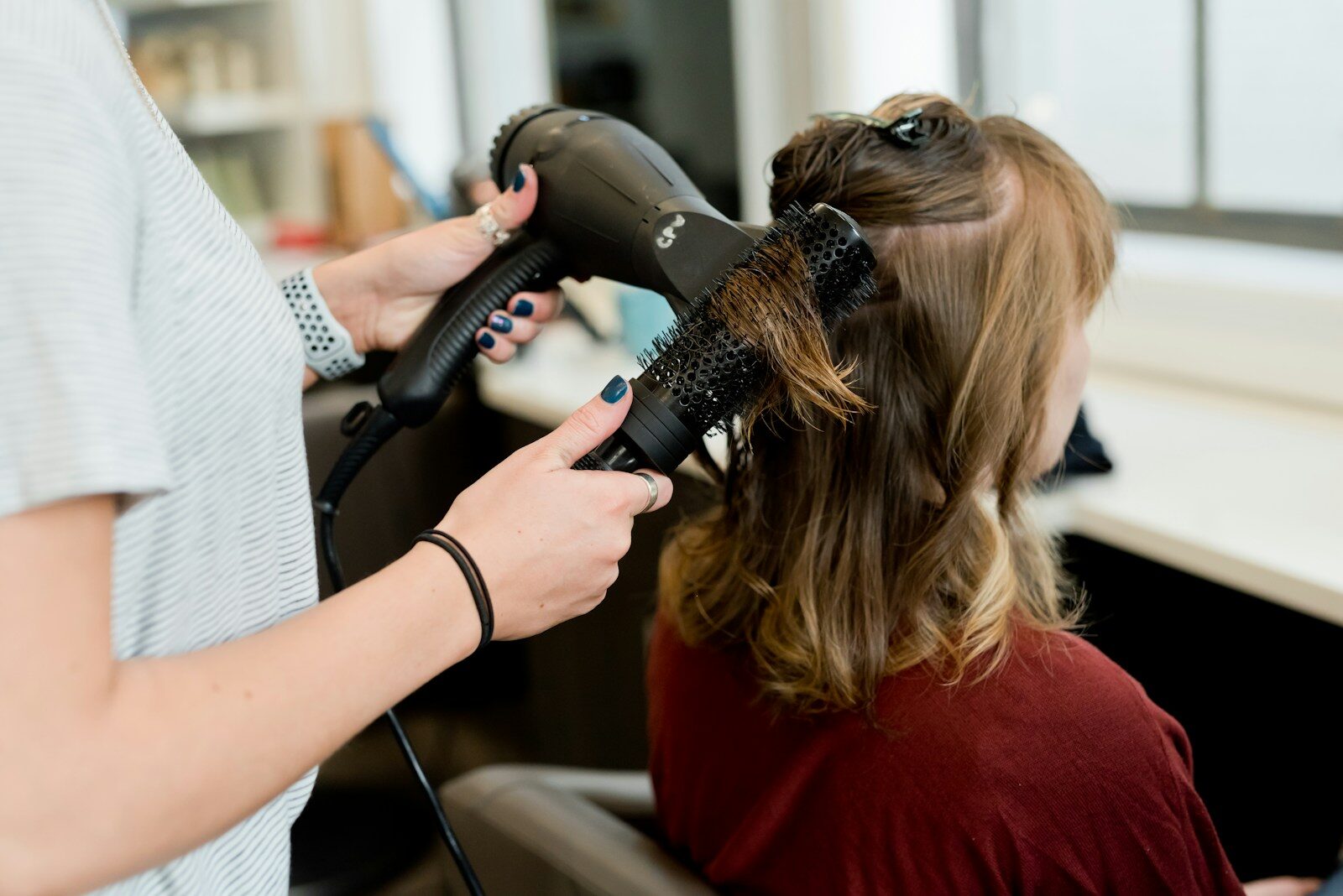
The trouble starts because the products are counted with the treatments, or not counted at all. The shampoo used in a wash and the shampoo sold to a client come from the same shelf, and the record cannot tell them apart. The shelf empties, and nobody knows whether the products were used, sold, or simply lost. The salon orders more of everything, or of nothing, and the shelf is either full of bottles nobody buys or empty of the one bottle every client asks for.
That gap costs the salon twice. The products it buys and never sells sit on the shelf, paid for and gathering dust. The products its clients want are not there when they ask. The salon is spending money on the wrong bottles and losing sales on the right ones — because it never counted either.
Used in the treatment, sold at the shelf
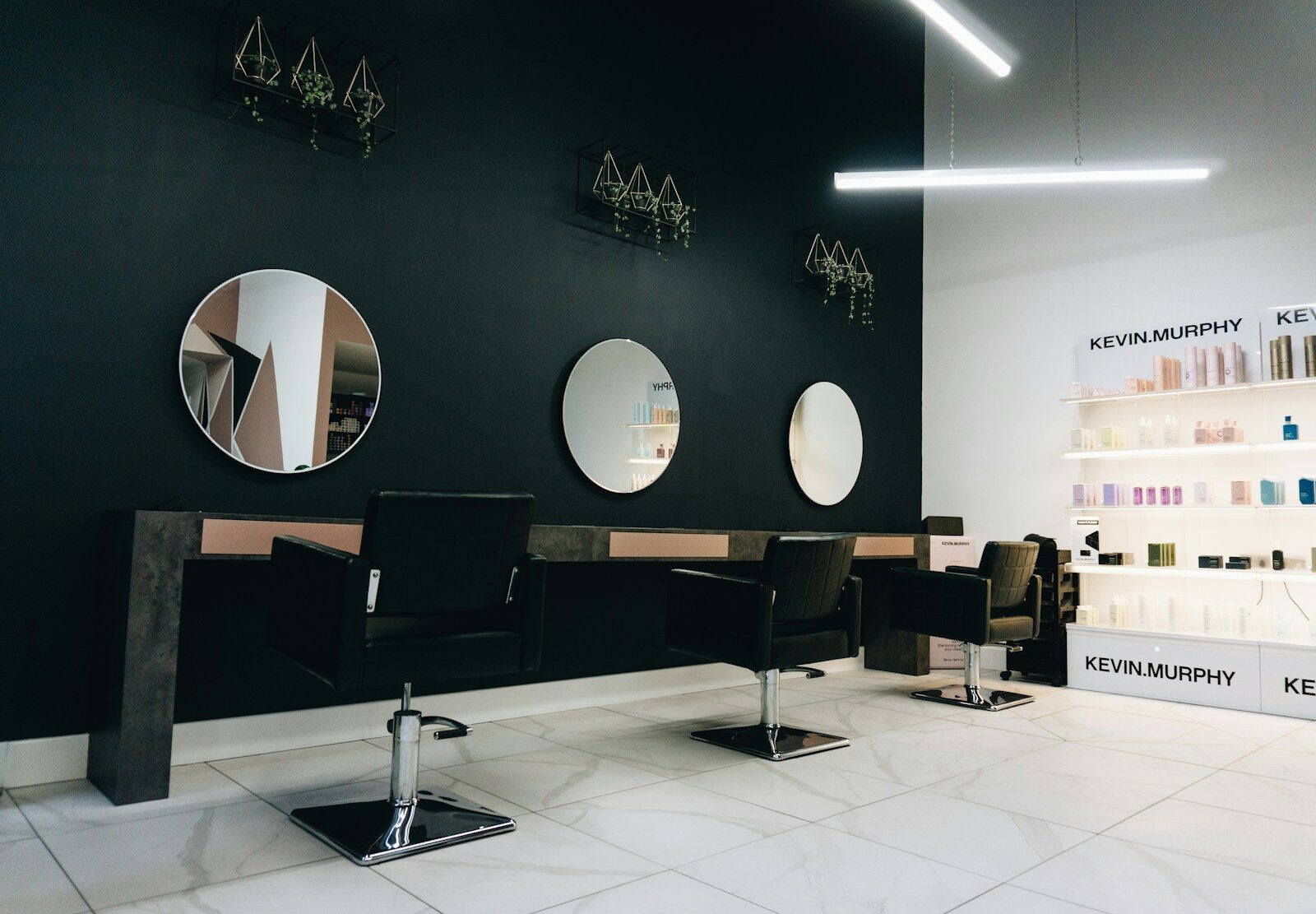
In Smart POS, salon stock is counted separately from retail stock. The bottles used in treatments are recorded against the service, and the bottles sold to clients are recorded against the sale — so the shelf count is true, and the owner can see which products earn as treatments and which earn as sales. The stylist recommends with confidence, because the price is on the record and the bottle is actually on the shelf.
That record also keeps the recommendation honest. A product the stylist uses every day, and every client asks about, is a product worth stocking in quantity. A product nobody asks for, however good it is, is a product to stop ordering. The salon stops buying what its stylists like and starts buying what its clients buy — and the shelf earns every day, not just on the days a stylist remembers to sell.
The product that sells itself
Over time, that record tells the salon something useful. Which products sell after which treatments? Which clients buy the same bottle every month, and should be reminded before they run out? A client who buys her shampoo from the salon every month is a client who will not buy it anywhere else — and the salon that keeps her bottle on the shelf keeps her coming back for the treatment too.
That is how a salon turns its shelf into a second business. The treatments bring the clients in, the products send them home with a bottle, and the record keeps the shelf stocked with what clients actually buy. The chair earns by the hour, the shelf earns by the bottle, and the salon earns from both — because it finally counted the second one.
With every product on the record, every treatment use counted separately from every sale, and every reorder placed on what clients actually buy, a salon stops losing its easiest sales. The shelf beside the chair is full of the right bottles, the clients take them home, and the salon earns from the products it was already recommending.
Smart POS is built for salons in Pakistan: service and retail stock counted separately, product sales at the chair, and records that keep the shelf earning.
See how Smart POS works for salons — Smart POS for Salons. Try free for 15 days, no credit card required.