
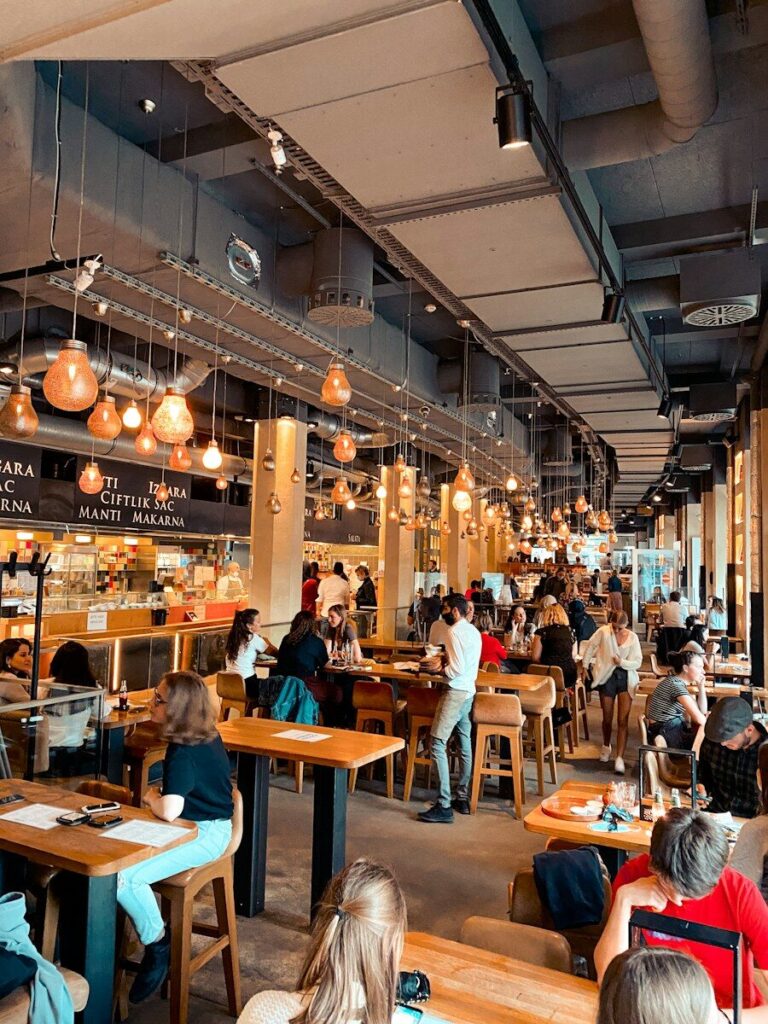
A restaurant table is never just one bill. Two families share a table and want to pay separately. A large family joins two tables together halfway through the meal. A group of friends splits the bill three ways, and one of them ordered the expensive dish. The waiter nods, says it will be fine — and then the bill arrives, and it is not fine at all. Someone is charged for food they did not eat, someone else is charged twice, and the table that was happy is now arguing, in front of the whole dining room.
That is the split-bill problem. The orders went to the kitchen as one table, and the bill comes back as one table — but the customers are not one party, and they never were. The waiter tries to divide the bill by memory, in a hurry, at a busy counter. He gets it wrong, or he gets it nearly right, and nearly right is still an argument. The customers leave unhappy, the tip disappears, and the restaurant loses more than the price of one dish.
The bill that split the table
The trouble starts because the order is taken by table, not by guest. The karahi, the naan, the drinks — all of it lands on one ticket, and nobody marks which guest ordered what. When the bill is asked for in parts, the waiter has to remember who had what, and the kitchen ticket cannot help him. He guesses, the guests correct him, and the correction takes longer than the meal.
That delay costs the restaurant twice. The table stays occupied while the bill is argued over, and the next guests wait at the door. The waiter is stuck at one table while three others need him. And the guests, who came to enjoy a meal, leave remembering the bill — not the food.
Two tables, one family
Tables do not stay still either. A family arrives in two groups, sits at two tables, and then pulls the tables together. The orders are already on two separate tickets, the food is already coming to two different places, and the bill must now be one — or two, or three, depending on who is paying. Without a record that follows the tables, the kitchen sends food to the wrong place and the bill goes to the wrong table.
In Smart POS, every order is tied to its table, and tables can be joined or split on the record — the orders move with them. Two tables become one ticket when the family joins, and one ticket becomes two bills when the guests ask to pay separately. The waiter does not have to remember who ordered what, because the record already knows. The bill that arrives is the bill that was ordered, divided the way the guests asked.
The wrong bill at the wrong table
The same record stops the other classic mistake: the wrong bill at the wrong table. In a busy dining room, two tables order similar food at similar times, and the bills look the same. A bill carried to the wrong table is charged to the wrong guests, and the argument starts all over again — this time with the guests who were charged for a meal they never ate.
With every order on its table’s record, the bill belongs to its table and to no other. The waiter carries the right bill to the right table, the guests pay what they ordered, and the table is free for the next guests in minutes instead of half an hour. The dining room turns over faster, the waiters stop running back to the counter to fix bills, and the guests leave talking about the food — not the bill.
With every split settled from the record, every joined table followed by its orders, and every bill going to the table that ordered it, a restaurant stops losing its evenings to billing arguments. The tables turn faster, the guests pay happily, and the counter settles each table the way it was asked — right the first time.
Smart POS is built for restaurants in Pakistan: table-wise billing, split and merged bills, and records that settle every table right.
See how Smart POS works for restaurants — Smart POS for Restaurant. Try free for 15 days, no credit card required.