
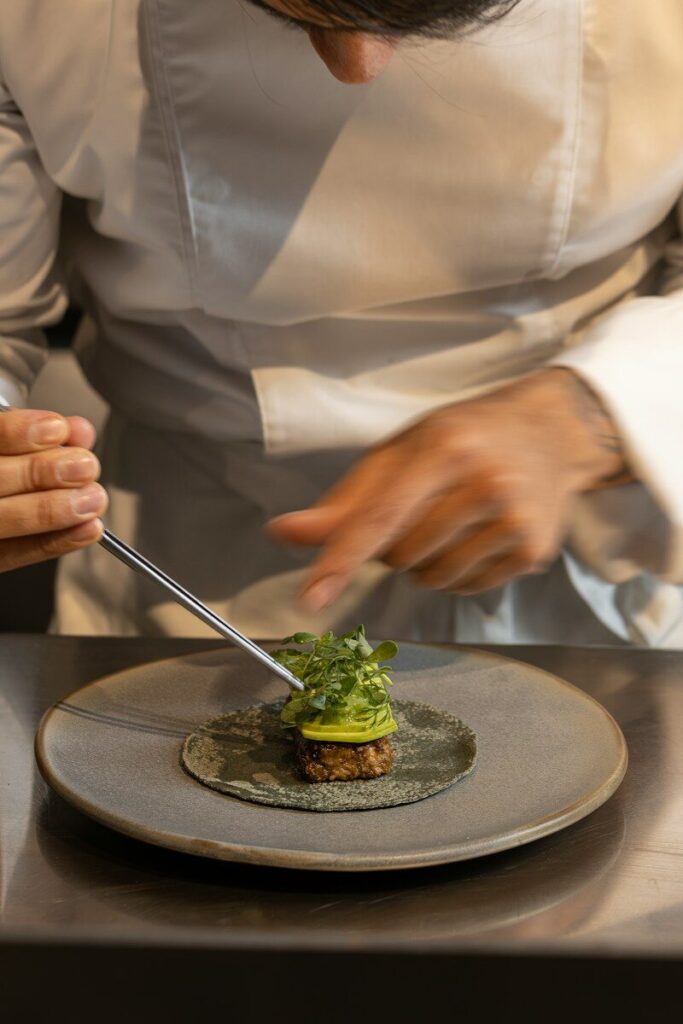
A restaurant buys by the kilo and sells by the plate. Between the two sits the whole business: chicken, oil, rice, spices, vegetables, and everything else that goes into a dish. The owner knows what the food cost for the month. What the owner often does not know is where it went — how much became a plate that was sold, how much became waste, and how much simply disappeared.
That is the food-cost problem, and it is the quietest leak in a restaurant. A dish can sell well all month and still lose money, because the portion is too generous, an ingredient is overused, or the kitchen is throwing away more than it should. Without recipe-level records, the owner cannot see any of it — only the total at the end of the month, when it is too late to fix.
From kilo to plate

Recipe-level stock in Smart POS connects what the kitchen buys to what the kitchen sells. Each dish is recorded with its ingredients, so when a plate is sold, the stock drops by exactly what went into it. The owner can see, dish by dish, what the food actually costs — and whether the price on the menu still makes sense.
That changes the conversation with the kitchen. Portions stop being a matter of habit and become a matter of record. If a dish costs more to make than it earns, the record shows it, and the owner can adjust the portion, the price, or the recipe — instead of finding out at the end of the month that a popular dish was the least profitable one.
Wastage you can measure
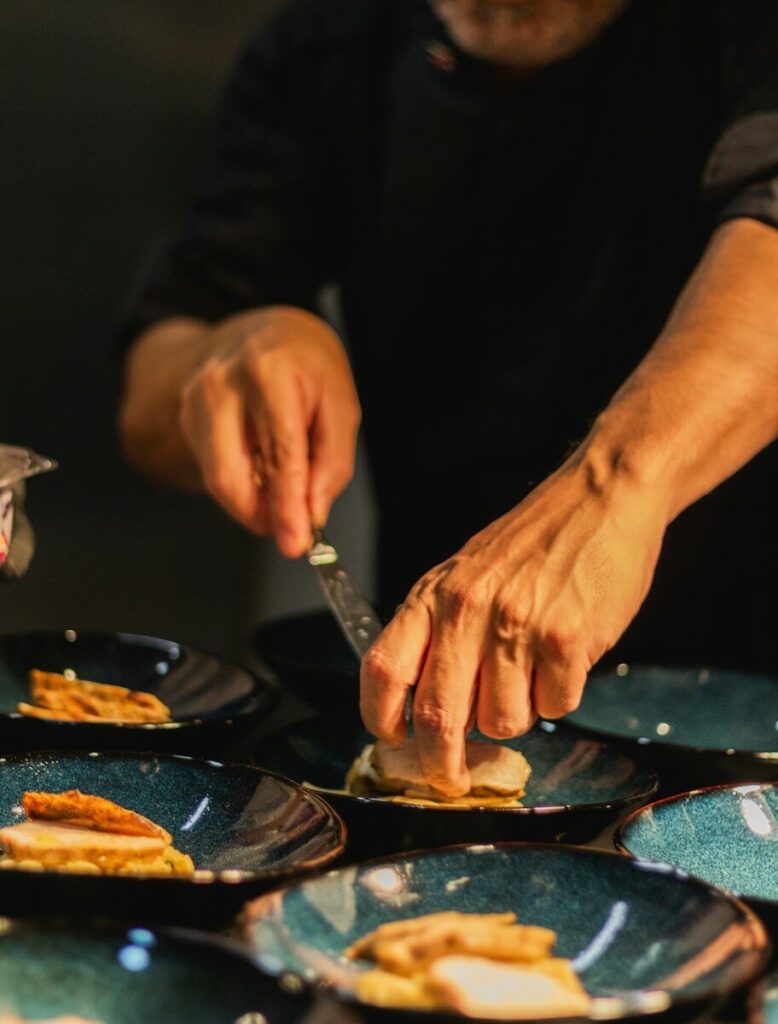
Every kitchen has wastage: food prepared and not sold, ingredients spoiled, plates sent back. Some of it is unavoidable. Most of it is not — but only if it is measured. When wastage is recorded, it has a number, and a number can be managed. When it is not recorded, it is invisible, and invisible waste grows.
Stock reports in Smart POS show what was used, what was sold, and what is left, so wastage stops being a feeling and becomes a fact. The owner can see which ingredients spoil most, which dishes are over-prepared, and where the kitchen’s routine needs to change. Over a month, that is the difference between a kitchen that controls its costs and one that is controlled by them.
The menu that earns its place
The same records answer the other question every restaurant owner asks: which dishes actually earn their place on the menu? Item-wise sales reports show what sells, when, and in what quantity — the dishes that carry the evening, and the ones that take up kitchen time for very little return. A menu built on that evidence is shorter, sharper, and more profitable than one built on habit.
With recipe-level stock, wastage records, and sales reports in one system, a restaurant stops guessing about its food costs. The owner knows what each plate costs, what the kitchen wastes, and what the menu earns — and the profit stops leaking through the gap between the kilo and the plate.
Smart POS is built for restaurants in Pakistan: recipe-level stock, kitchen records, and reports that show where the food cost goes, plate by plate.
See how Smart POS works for restaurants — Smart POS for Restaurant. Try free for 15 days, no credit card required.