
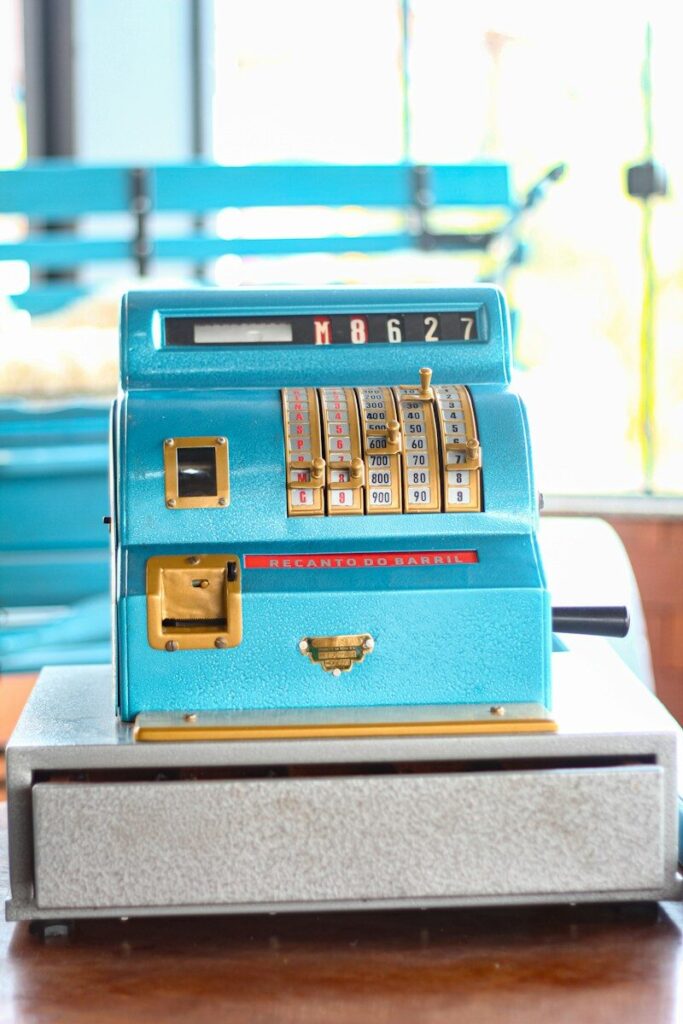
A fast-food day ends the way it began: in a hurry. The last orders go out, the shutters come down, and the cashier counts the till. The notes are counted, the coins are counted, and the total is written down — and it does not match the day’s sales. It never quite does. A little short, a little over, and nobody can say why.
That is the closing problem. The money comes in all day, from everywhere — the counter, the riders, the card machine — and it is counted only at the end, when it is too late to find where it went wrong. A wrong bill in the morning, a rider’s collection that was never handed in, a card payment counted as cash — each one is small, and each one is invisible until closing, when they all arrive at once as one unexplained difference.
The cash that does not add up

The trouble starts because the cash is counted once, at the end, and the sales are counted once, at the end, and the two are compared for the first time when the shop is already closing. The counter took cash all day, the riders took cash all day, and the record of either is a pile of bills and a memory. The cashier counts the notes twice and gets two different totals. The manager counts them and gets a third. The difference is small enough to argue about and big enough to matter — and nobody can prove where it came from.
That argument costs the shop more than the difference. The cashier goes home feeling accused. The manager goes home feeling cheated. And the next morning, the same thing happens again — because the closing count was never about the money, but about a day that was never recorded properly in the first place.
The rider’s collection, counted at the door
The riders are the hardest part of the count. Each one takes orders out, collects cash at the door, and comes back with a pocket full of notes — and the shop must know, rider by rider, how much each one collected and how much each one handed in. Without a record, the rider hands in what he remembers, the cashier counts what she is given, and the difference is discovered at closing, when the rider has already gone home.
In Smart POS, every delivery carries its own ticket, rider and payment — so the rider’s collection is known before he returns. When he hands the cash in, it is counted against his deliveries, at the door, while he is still there. If it is short, the question is asked at once, with the tickets to prove it. If it is right, the rider goes home clean, and the shop closes with the count already settled.
Closing in minutes, not in argument
The same record settles the counter too. Every sale at the till is on the record — cash, card, and delivery — so the closing count is a comparison, not a guess. The cashier counts the notes, the record says what the notes should be, and the two agree — or the difference is small, and the record shows which sale it came from, while the day is still fresh enough to check.
That is how a fast-food shop closes in minutes instead of an hour. The till is counted, the riders are settled, and the day’s record is closed clean — so the next morning starts with a fresh till, a clear count, and a team that trusts each other, because the money was never a matter of memory. It was a matter of record, and the record was there all day.
With every sale on the record, every rider settled at the door, and every closing count proved from the day’s tickets, a fast-food outlet stops ending its days in argument. The cash adds up, the riders go home clean, and the shop closes calm — ready to open again in the morning, with the count already done.
Smart POS is built for fast-food outlets in Pakistan: till and rider cash records, delivery tickets, and closing counts that settle in minutes.
See how Smart POS works for fast-food outlets — Smart POS for Fast Food. Try free for 15 days, no credit card required.