
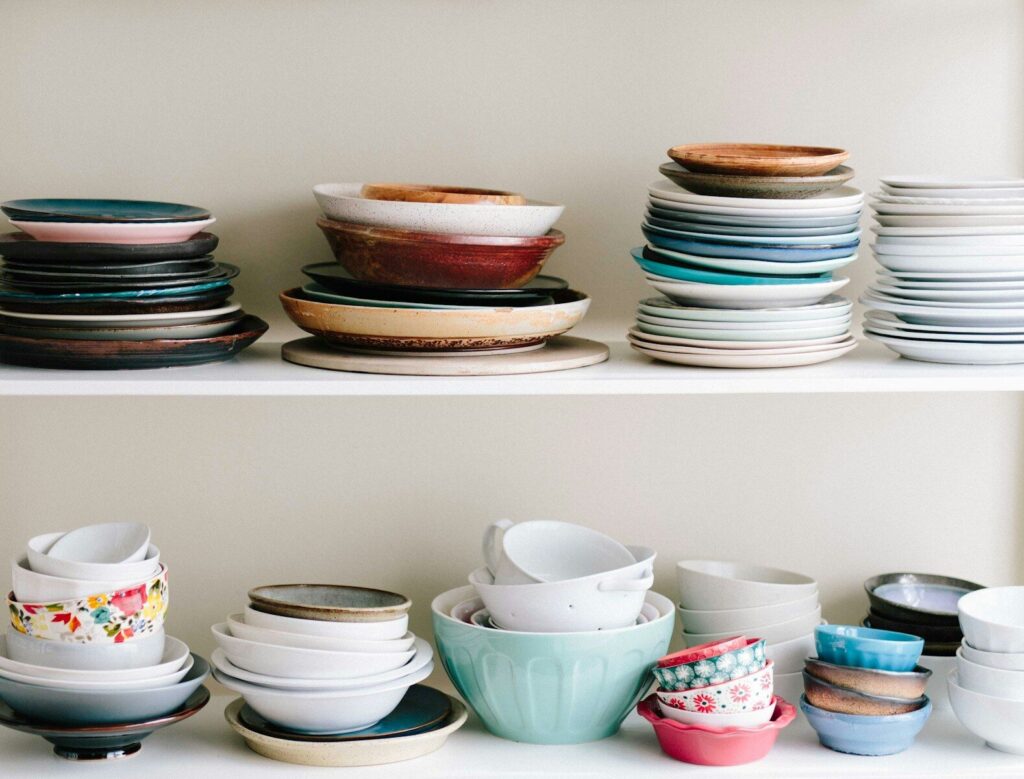
A dinner set is worth more whole than in pieces. Eight plates, eight bowls, eight cups — together they are a gift for a wedding, a new home, a daughter’s trousseau. Sold one plate at a time, the same set is worth far less, and what is left can never be sold as a set again. Every crockery shopkeeper knows this. And yet, in most shops, sets quietly become loose pieces every single day.
That is the loose-piece problem. A customer comes in for two plates to replace the ones that broke at home. The shopkeeper opens a set, sells the two plates, and puts the rest back on the shelf. The next customer wants four bowls. The set is opened again. By the end of the month, the shelf holds half-sets nobody wants and loose pieces nobody can price properly — and the shop has lost the value of whole sets it once owned.
The set that became loose pieces
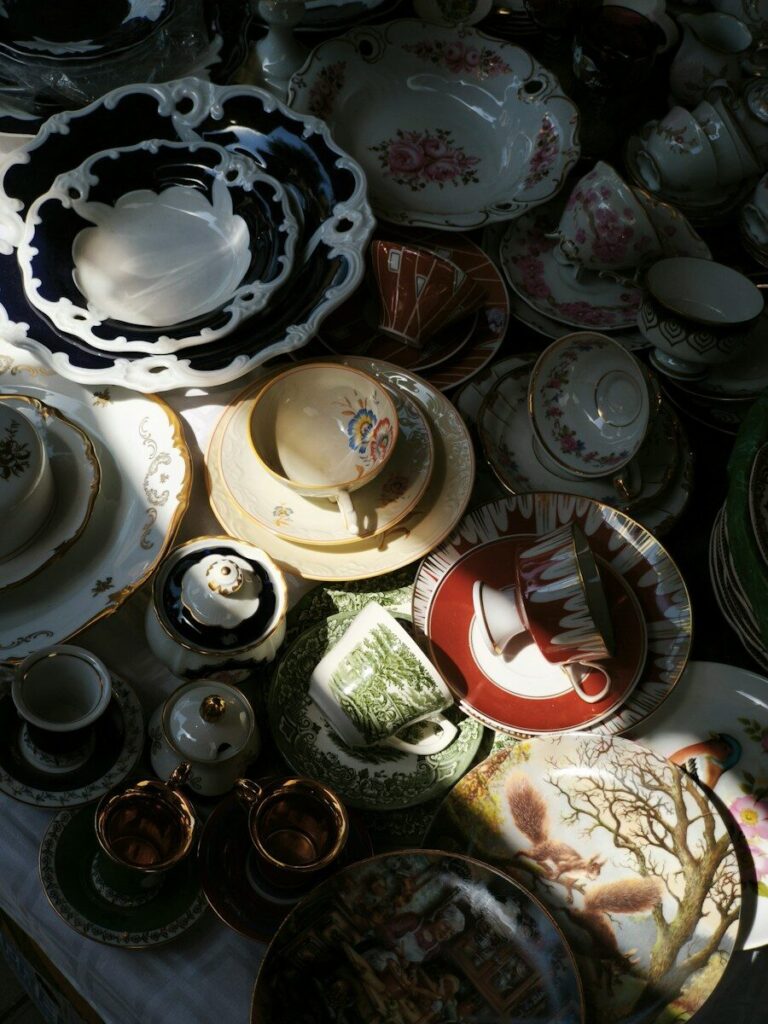
The trouble starts because a set and a loose piece are two different products sharing one shelf. The shop bought a dinner set of twenty-four pieces. The system says one set in stock. The shelf says twenty-four pieces, and every sale takes a few of them away. Without a record that counts by pieces, nobody knows how many whole sets are left — or how many pieces of each design are actually on the shelf.
That gap shows up at the worst moments. A customer asks for a full dinner set in a particular design, and the shopkeeper has to count the shelf by hand to see whether a complete set is still there. Sometimes it is. Sometimes it is not, and the sale walks out of the door. The shopkeeper’s memory is the only stock record, and memory is not a record.
Counting by pieces, not by sets
In Smart POS, stock is counted by pieces, so a set and its loose pieces are never confused. A dinner set is recorded as its pieces — plates, bowls, cups, saucers — and every sale, whether a full set or a single plate, takes exactly the right pieces out of stock. The shelf count is true at all times, and the shopkeeper can see, in a moment, how many whole sets of each design are still complete.
That counting also sets the price right. A loose plate is priced as a loose plate, not guessed at the counter. A full set is priced as a full set. The customer pays the right price, the shopkeeper does not have to decide on the spot, and the margin on the set is protected — because the shop is no longer selling set pieces at loose-piece prices by accident.
Selling loose pieces is not always a mistake. A customer who broke two plates does not want to buy a whole set, and a shop that can sell them two matching plates has earned a customer who will come back. The difference is whether the sale is a decision or an accident. In Smart POS, the shopkeeper chooses: sell the set whole, or sell the loose pieces deliberately, knowing exactly what remains.
That choice is also what keeps the shelf tidy. Sets that are nearly complete can be kept whole for the next customer who wants a full set. Sets that are too broken up can be sold off as loose pieces at a clear price, instead of sitting on the shelf for months. Nothing is left to drift, and the shop’s best designs are always available as complete sets for the customers who want them.
With stock counted by pieces, prices set for sets and loose items separately, and every sale taking the right pieces out of stock, a crockery shop stops losing whole sets to quiet, one-plate-at-a-time sales. The shelf stays honest, the sets stay complete, and the shop sells what it actually has — whole or loose, by choice, not by accident.
Smart POS is built for crockery shops in Pakistan: piece-wise stock, set and loose-piece pricing, and shelf counts that stay true.
See how Smart POS works for crockery shops — Smart POS for Crockery Shops. Try free for 15 days, no credit card required.