
A customer buys a shirt in a hurry, takes it home, and tries it on properly for the first time. It does not fit. The next day they are back at the shop, shirt in hand, asking for the next size. It is the most ordinary thing in a clothes shop — and one of the easiest to get wrong.
Without a record, the exchange becomes a negotiation. Was the shirt bought here, or somewhere else? Was it bought yesterday, or last month? Did the customer pay full price, or was it on offer? The shopkeeper has to decide on the spot, with a queue forming behind the customer, and whatever they decide, someone is unhappy — either the customer, or the shop’s stock count.
The return with its receipt
In Smart POS, the original sale is found in seconds. The bill number, the date, the item, the size, the price — all of it is on the record. The shopkeeper does not have to take the customer’s word for it, and the customer does not have to argue. The shirt is checked against its own sale, and the exchange starts from facts, not from memory.
That speed matters at a busy counter. A return that takes two minutes is a customer who leaves happy. A return that takes twenty minutes, with the shopkeeper searching through old bills, is a customer who will think twice before buying here again — and a queue of other customers who have already decided to shop elsewhere.
Exchanged, not lost
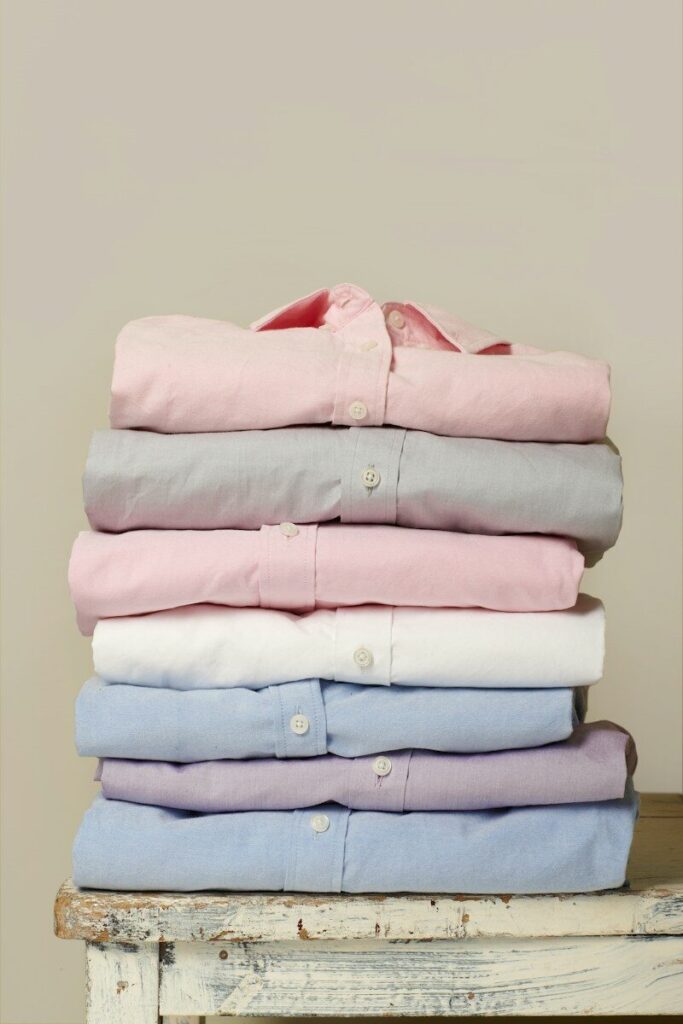
When the exchange is done properly, the returned size goes back into stock and the new size is billed — both recorded, both counted. The shop’s stock stays true: the medium that came back is available to sell again, and the large that went out is no longer counted as sitting on the shelf.
Without that record, exchanges quietly destroy stock accuracy. The returned item is put back on the rail and forgotten, or left in a corner and never counted. The new item goes out without a bill. At stocktaking, the numbers do not match, and nobody can say why — only that the shop seems to have fewer shirts than it should, and more of the sizes nobody buys.
What comes back most
Return-wise reports show which sizes and styles come back most often. A shirt that is returned in one size again and again is telling the shop something: the cutting runs small, or the size chart is wrong, or customers keep buying the wrong fit. A style that is never returned is telling the shop something else — that it fits well, and is worth ordering again.
That is information a clothes shop can use. The owner can talk to the supplier about a size that runs small. The staff can suggest the right size at the counter, before the sale, instead of after the return. And the shop can order more of what fits, and less of what always comes back.
With every return tied to its receipt, every exchange recorded both ways, and every pattern visible in the reports, a clothes shop can take back a wrong size without losing money on it — and learn, from every return, how to sell the right size next time.
Smart POS is built for clothes shops in Pakistan: bill-wise returns, size and colour stock that stays honest, and reports that show what comes back most.
See how Smart POS works for clothes shops — Smart POS for Clothes Shop. Try free for 15 days, no credit card required.