
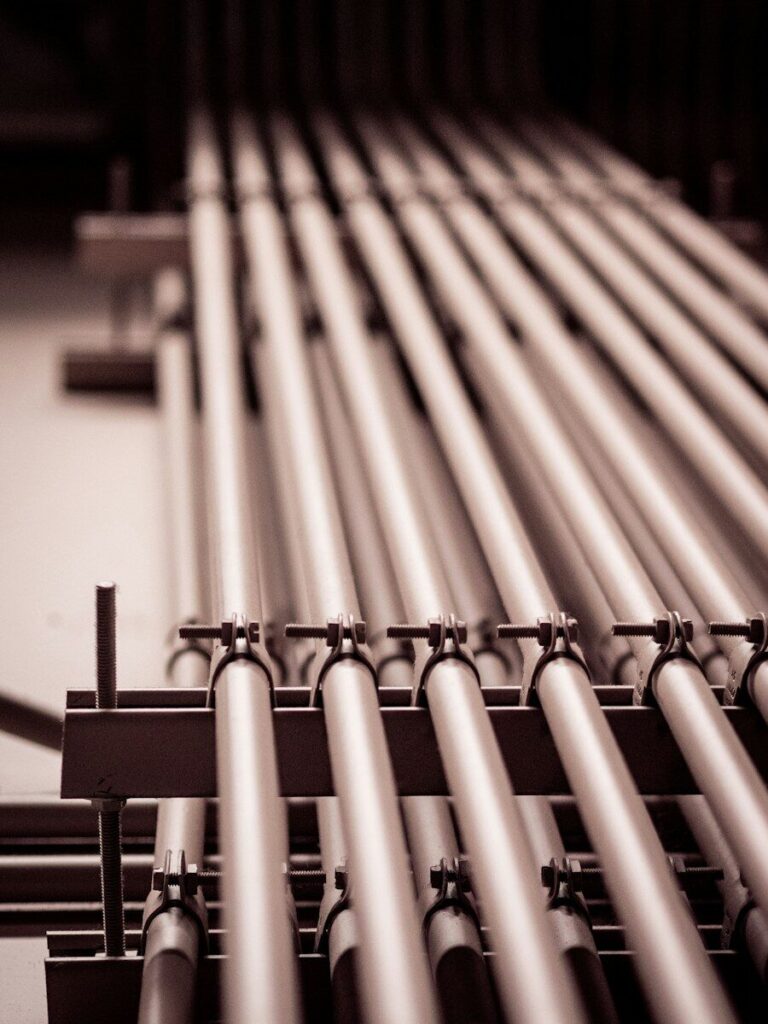
A hardware shop sells by length as much as by piece. A pipe is cut to the customer’s size. A wire is measured off the coil. A sheet is cut to fit the roof. The customer asks for three metres, the shopkeeper measures, cuts, and calls the price. The sale is done in a minute. And nobody writes down the length, the price, or what is left on the roll. The pipe is shorter, the coil is lighter, the sheet is smaller — and the record still says they are whole.
That is the cut-to-size problem. A pipe is not one product with one price — it is metres, and every metre cut from it is a sale that must be counted. The shopkeeper cuts from memory, charges from memory, and the stock shrinks faster than the record says it should. At the end of the month, the pipes are short, the coils are light, and nobody can say where the metres went. Each cut was small. Together, they are a real sum — paid for in stock the shop never sold.
The length that was never billed
The trouble starts because cut stock is counted by the piece and sold by the length, and nothing connects the two. The system says ten pipes arrived. The rack says the pipes are nearly finished. How many metres were sold, how many were cut short, and how many were given as a little extra to a regular contractor — nobody knows, because the only record is the piece count, and the piece count says nothing about the metres.
That gap shows up when a contractor asks for a length and the pipe finishes mid-cut. The shopkeeper measures the last of it, finds it half a metre short, and the contractor waits while another pipe is fetched — or leaves to buy the full length elsewhere. The sale is lost, and the shop finds out — again — that it never knew how much was left on the pipe.
Cut, measured and on the bill
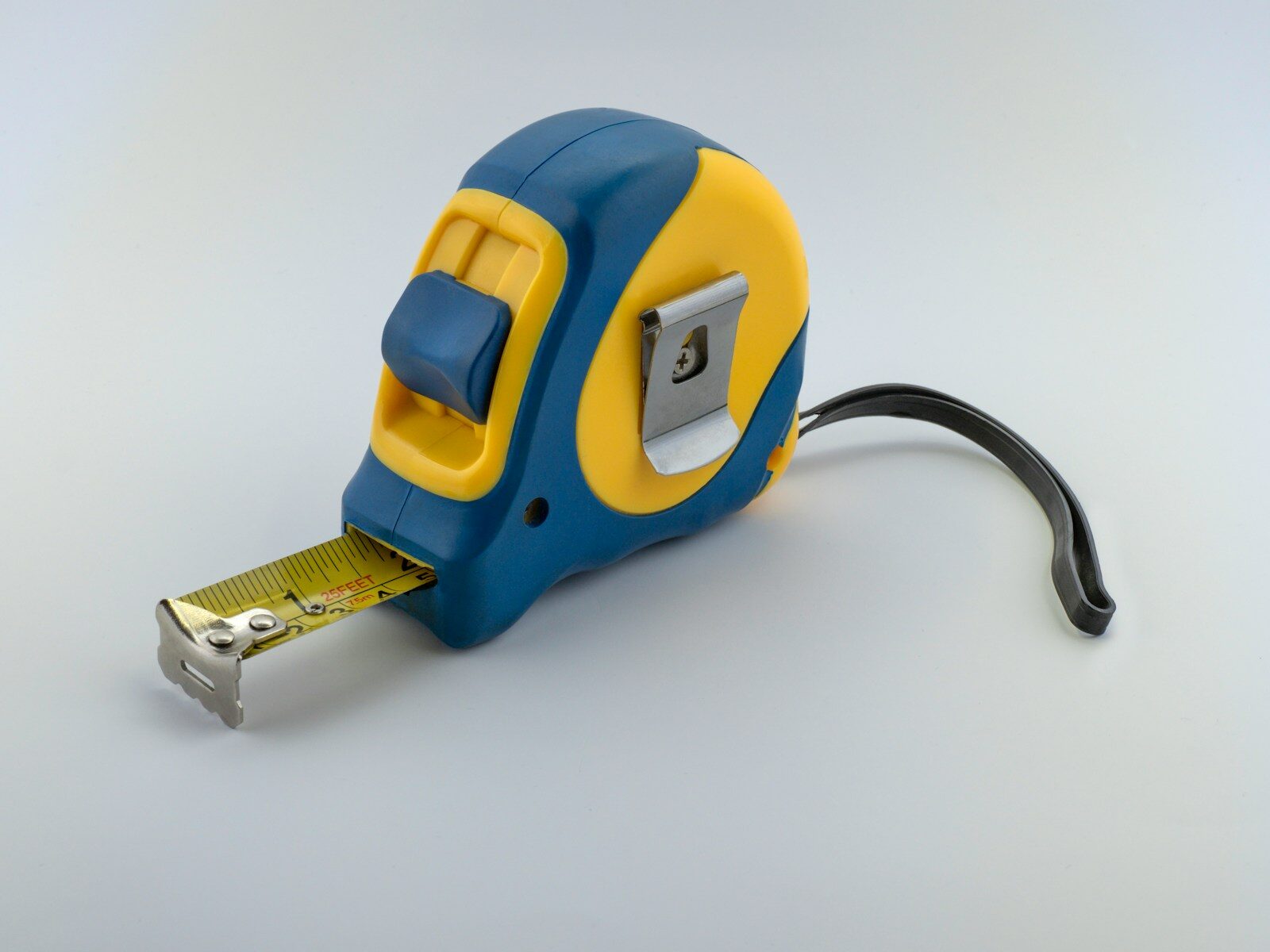
In Smart POS, every cut is measured and billed at the till. The shopkeeper cuts the pipe, the length goes onto the bill, and the price is worked out from the rate on the record — not from memory, not from a rate that changed last month. The customer sees the length and the price together, and the shopkeeper does not have to decide either of them on the spot.
That record also keeps the stock true. Every metre sold takes a metre out of stock, so the piece count and the metres sold finally agree. The shopkeeper can see, at any moment, how much is left on each pipe and coil — not by measuring it, but from the sales themselves. And when the rate changes, it changes once, on the record, and every counter in the shop charges the new rate from that moment.
The offcut that still earns
Not every piece of a pipe becomes a sale. The end of a pipe leaves a short length — a metre, half a metre — too short for the job it was bought for, but fine for a repair, a joint, or a small fitting. Left behind the counter, it gathers dust. Sold at a clear price, it earns.
In Smart POS, the offcut is on the record too, with its own length and its own price. The shopkeeper can offer it honestly — a short length at a short price — instead of cutting a fresh pipe for a small job, or letting the piece sit for months. Nothing is left to drift, and the shop’s best stock is always available in full lengths for the customers who need them.
With every cut measured and billed, every rate on the record, and every offcut sold instead of wasted, a hardware shop stops losing money at its cutting bench. The pipes last as long as they should, the contractors pay the right price, and the shop sells what it actually has — metre by metre, counted and paid for.
Smart POS is built for hardware stores in Pakistan: cut-to-size billing, pipe and coil stock by length, and records that keep every cut counted.
See how Smart POS works for hardware stores — Smart POS for Hardware Store. Try free for 15 days, no credit card required.