
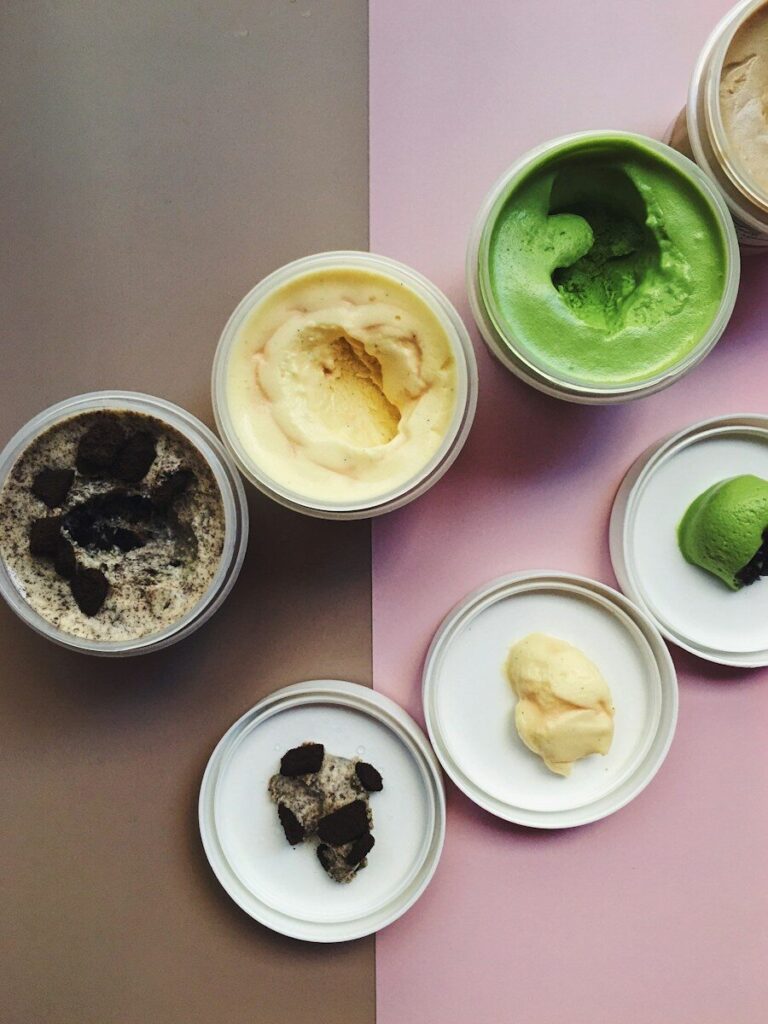
A scoop is a small sale. A tub is a big one. A family comes in, the children eat their scoops, and the parents ask for a tub to take home — a kilo of the flavour the children loved, for the freezer at home, for the guests coming tomorrow. The shopkeeper fills the tub, charges for it, and the family leaves happy. And the stock record never moves, because the tub was never on it. The freezer empties, the system says it is full, and the parlour finds out the same way every time: a customer asks for a flavour, and the tub is gone.
That is the take-home problem. The parlour sells ice cream in two forms — scoops at the counter and tubs to take home — and both come from the same freezer, the same flavours, and the same stock. A kilo sold as scoops and a kilo sold as a tub are the same kilo, but the record counts one and not the other. The freezer is the shop’s money, and half of it leaves without a record.
The tub that left with the family
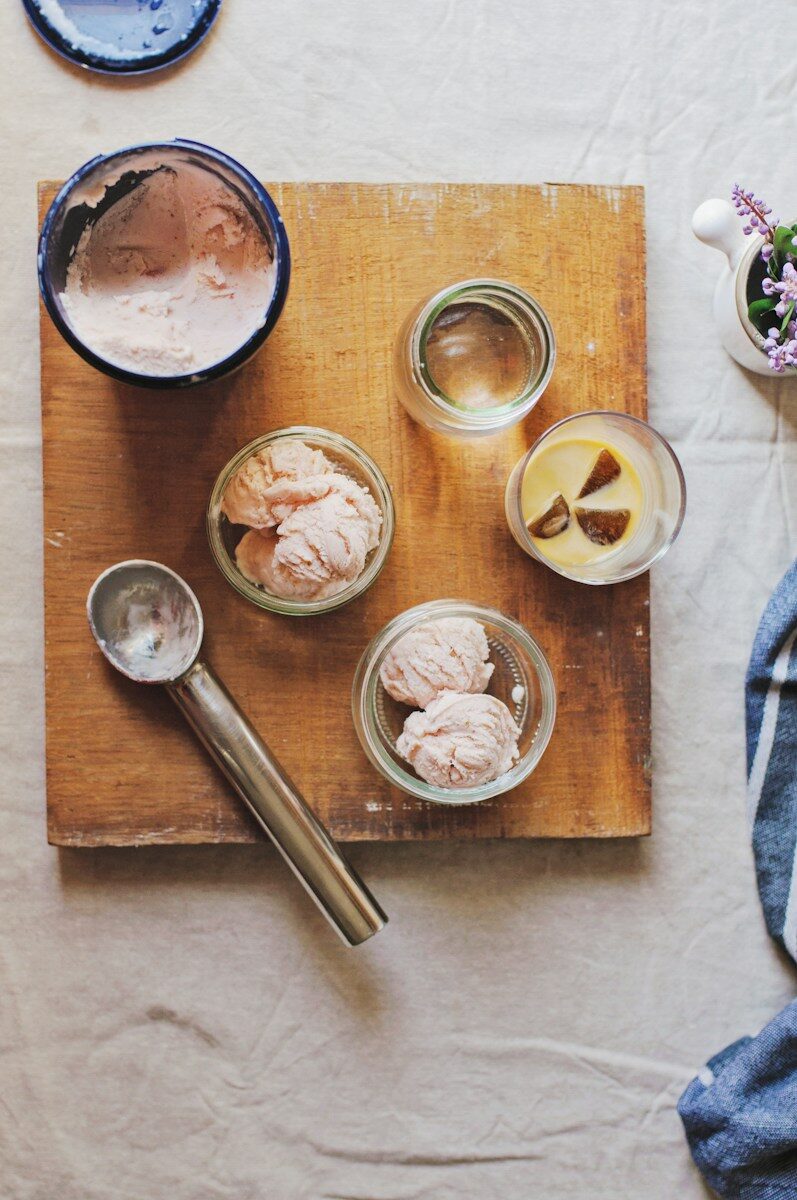
The trouble starts because tubs are filled to order, in a hurry, at a busy counter. The family asks, the shopkeeper scoops, the tub is handed over, and the money is taken — and nobody writes down the flavour, the weight, or the price. The flavour that sells best by the tub is the flavour that runs out first, and the parlour does not know it is its best seller, because the tubs were never counted.
Scoops and tubs, counted separately

In Smart POS, scoops and tubs are counted separately. The same flavour in two forms is two items, each with its own stock and its own price — so the shopkeeper can see, at any moment, how many scoops of chocolate are left and how many tubs. A tub sold takes a kilo out of stock, a scoop sold takes a scoop, and the freezer count is true at all times.
That record also keeps the price right. A tub is priced as a tub, not guessed at the counter. A family that buys a kilo pays the kilo price, and the parlour earns what the tub is worth — not what the shopkeeper happened to charge in a hurry. The customer pays the right price, the shopkeeper does not have to decide on the spot, and the margin on the tub is protected.
The flavour that sells by the tub
Over time, that record tells the parlour something useful. Which flavours do families take home, and which do they only ever eat as scoops? A flavour that sells by the tub is a flavour to stock in tubs, in quantity, before the weekend. A flavour that only sells as scoops is a flavour to keep in the display, not in the take-home freezer. The parlour stops filling its freezer with tubs nobody buys, and starts filling it with the tubs families ask for by name.
That is how a parlour turns its freezer into a second counter. The scoops bring the families in, the tubs send them home with a kilo, and the record keeps the freezer stocked with what families actually take home. The counter earns by the scoop, the freezer earns by the tub, and the parlour earns from both — because it finally counted the second one.
With every tub on the record, every flavour counted in both forms, and every order placed on what families actually take home, an ice parlor stops losing its best sales to a freezer it never counted. The tubs are there when families ask, the flavours are the ones they love, and the parlour sells what it actually has — scoop by scoop, tub by tub.
Smart POS is built for ice parlors in Pakistan: scoop and tub stock counted separately, take-home sales on the record, and flavours ordered on what families buy.
See how Smart POS works for ice parlors — Smart POS for Ice Parlors. Try free for 15 days, no credit card required.