
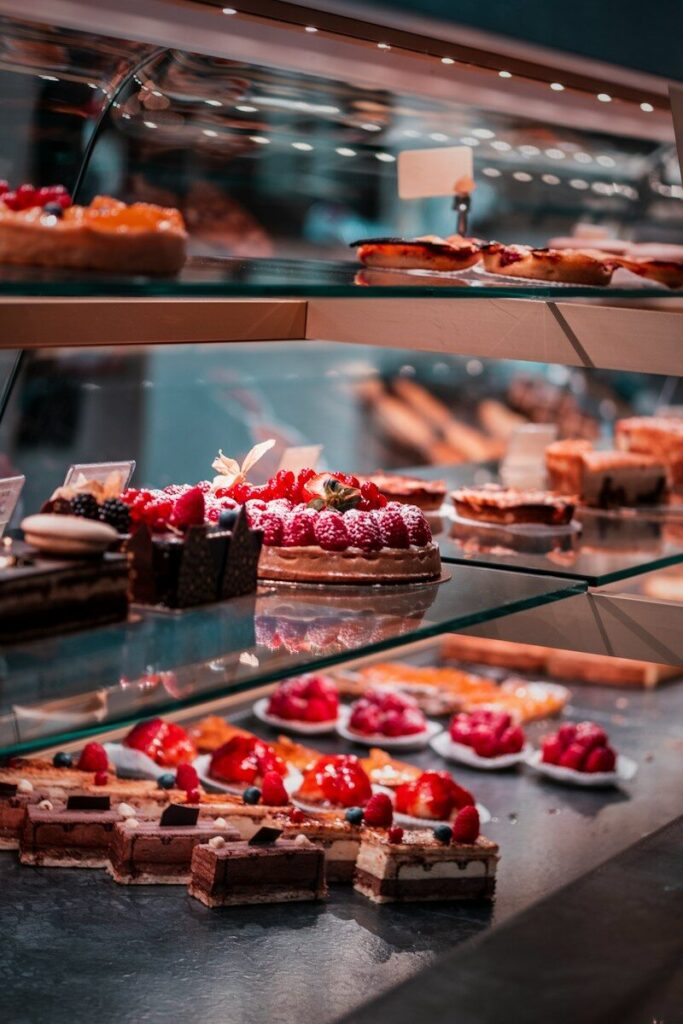
A birthday cake has one date that cannot move. The party starts at five, the candles are lit at six, and the cake must be there — the right flavour, the right design, the name spelled correctly. Nobody remembers a birthday cake that arrived on time. Everybody remembers the one that did not. And in most bakeries, the cake order lives on a slip of paper, a phone message, or a promise made at the counter — and the baker finds out what was ordered only when it is time to bake it.
That is the custom-cake problem. A cake order is not a sale off the shelf. It is a design, a flavour, a size, a message, a date and a time — and every one of those can be forgotten, misheard or written down wrong. The customer asked for chocolate, the baker heard vanilla. The name was spelled one way on the phone and another way on the cake.
The cake that must be ready by five
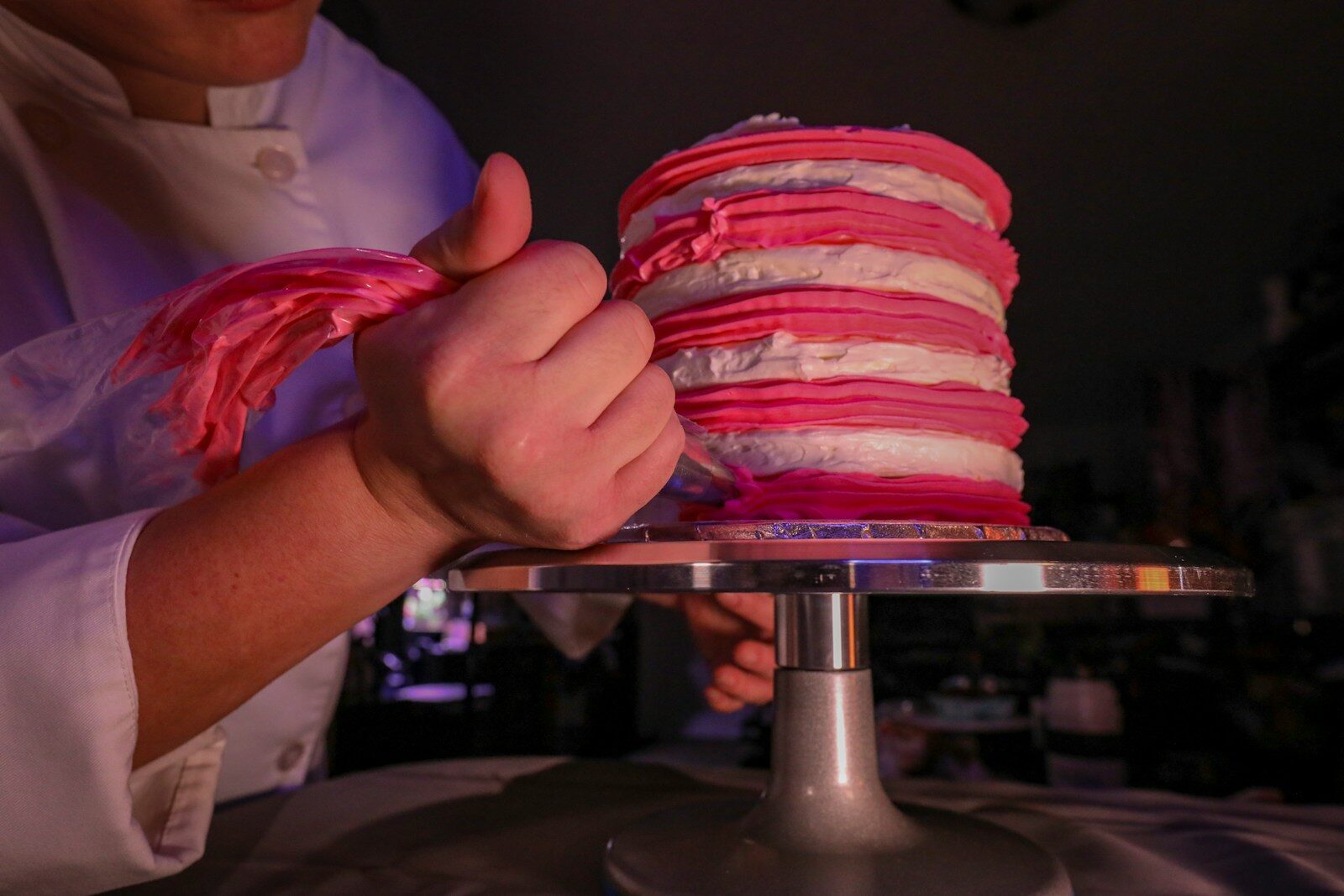
The trouble starts because the order is taken wherever the customer happens to be — at the counter, on the phone, on a message — and the details travel by memory. The design was described, not written down. The flavour was agreed, not recorded. The delivery time was mentioned, not confirmed. By the time the baker starts, half the order is a guess, and the other half is a hope.
That gap costs the bakery more than the cake. A wrong cake is remade in a hurry, with the wrong flavour and a rushed design — or it is refused, and the bakery loses the sale, the advance, and the customer. The next birthday in that family is ordered from another bakery. And the bakery, which bakes well, is remembered for the one cake it got wrong.
The advance that holds the date
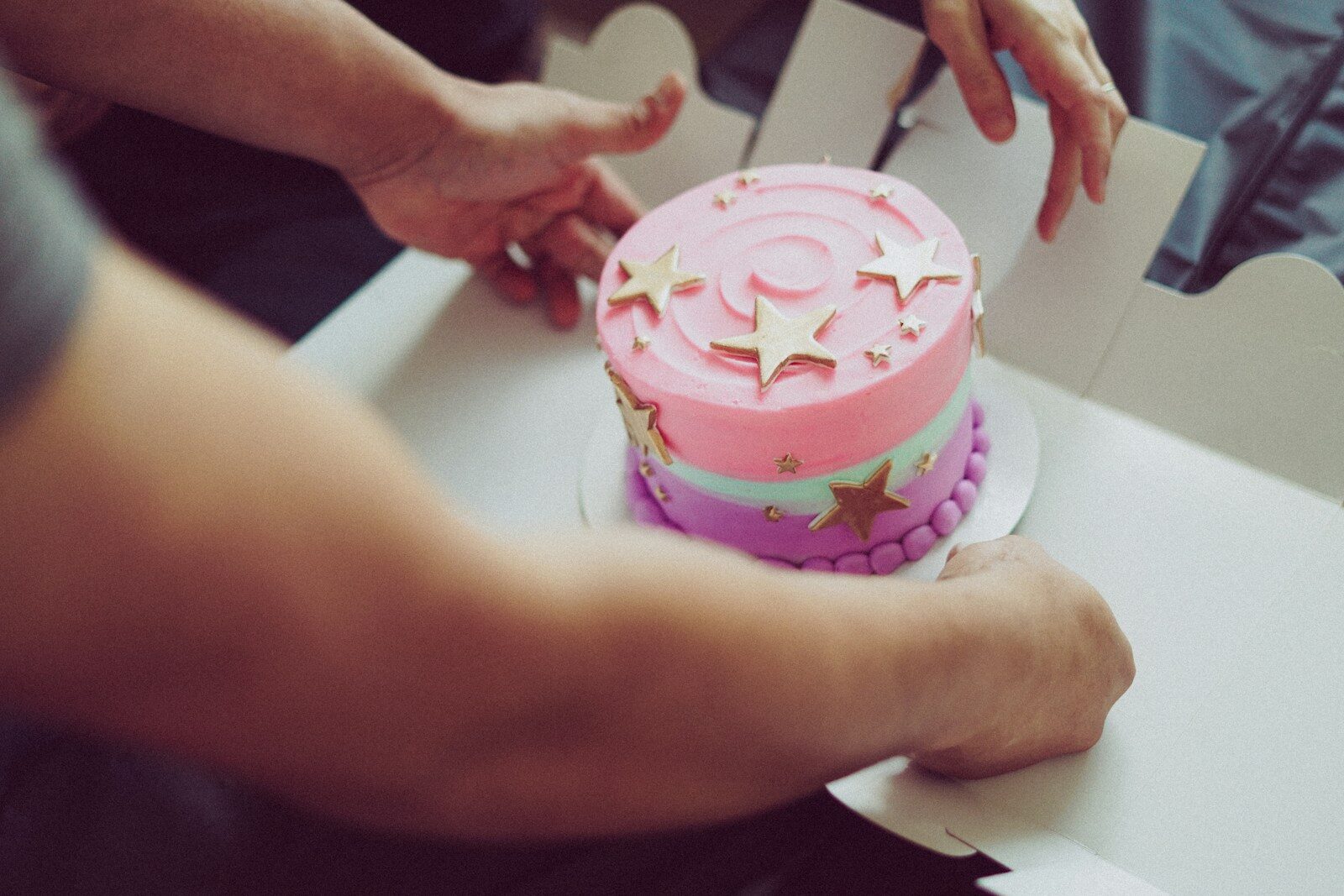
In Smart POS, every custom cake is an order on the record: the design, the flavour, the size, the message, the date and the time — all of it written down the moment the customer orders, and all of it there for the baker to read when the baking starts. Nothing is carried by memory, and nothing is guessed at the last minute. The baker reads the order, bakes the order, and the cake that comes out is the cake that was asked for.
The advance is on the record too, paid against the order, so the date is held and the oven is planned. The bakery knows, days ahead, how many custom cakes are due, and on which day — and the ovens are planned around them, instead of the cakes being squeezed in around the daily bread. A customer who paid an advance is a customer whose cake is booked, and a booked cake is a cake that will be ready.
Delivered, not just baked
Baking the cake is only half the order. The other half is the handover — the cake collected on time, in its box, with the candles and the message intact. In Smart POS, the delivery is on the record as well: collected, delivered, and by whom. If the customer is late, the bakery knows whose cake is waiting. If the cake goes out for delivery, the rider knows which cake, which house, and which time.
That is how a bakery turns its best work into its best reputation. A cake that arrives on time, exactly as ordered, is a cake the family photographs, shares, and orders again next year. The record is what makes that possible: the order, the advance and the delivery, all in one place, where the cake cannot be forgotten and the date cannot slip.
With every design on the record, every advance holding its date, and every delivery proved at handover, a bakery stops losing birthdays to orders it never wrote down. The cakes arrive when they should, exactly as they were asked for, and the customers come back next year — for the next birthday, and the one after that.
Smart POS is built for bakeries in Pakistan: custom-cake orders, advances, and delivery records that keep every celebration on time.
See how Smart POS works for bakeries — Smart POS for Bakery. Try free for 15 days, no credit card required.