
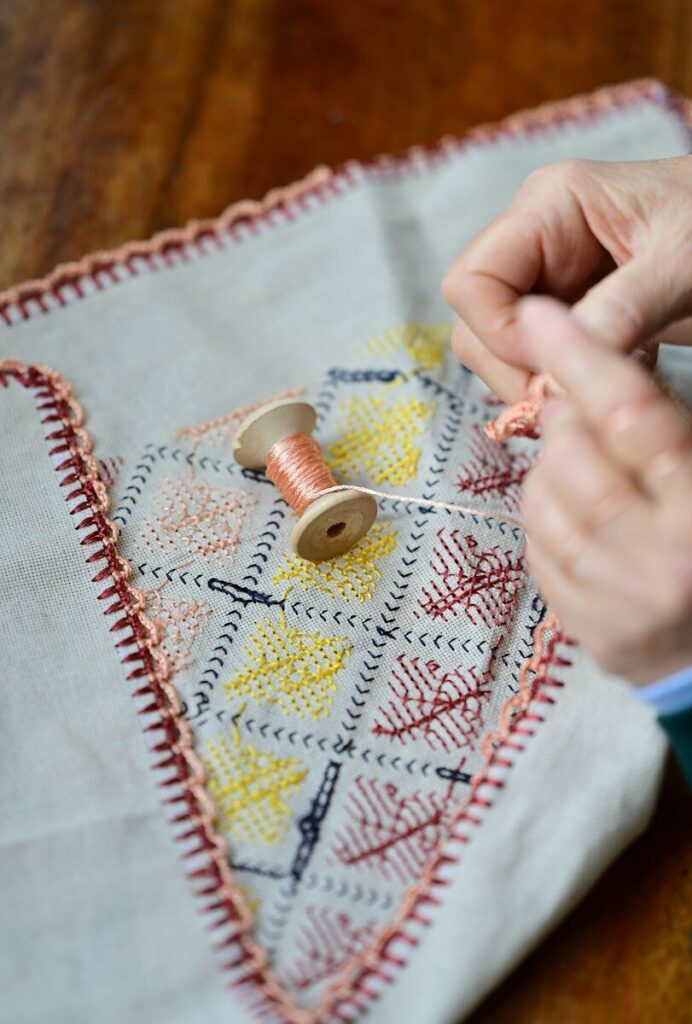
A boutique dress is rarely made in one place. The fabric is cut in the shop, the stitching goes to one karigar, the embroidery to another, the finishing to a third — and the dress comes back piece by piece, over days or weeks, until it is ready for the customer. Every handover is a promise: this piece, by this date, for this rate. And every promise is kept in someone’s head, or in a notebook that nobody can read but the person who wrote it.
That is the karigar problem. The work is spread across people the boutique does not employ, paid by the piece, and due on dates the customer is counting on. A karigar finishes late, and the dress is late. A karigar is paid for work nobody recorded, and the boutique pays twice. A karigar says he was promised a higher rate, and nobody can prove otherwise. Each dispute is small. Together, they are the reason dresses arrive late and customers stop coming back.
The dress that waited for its embroidery
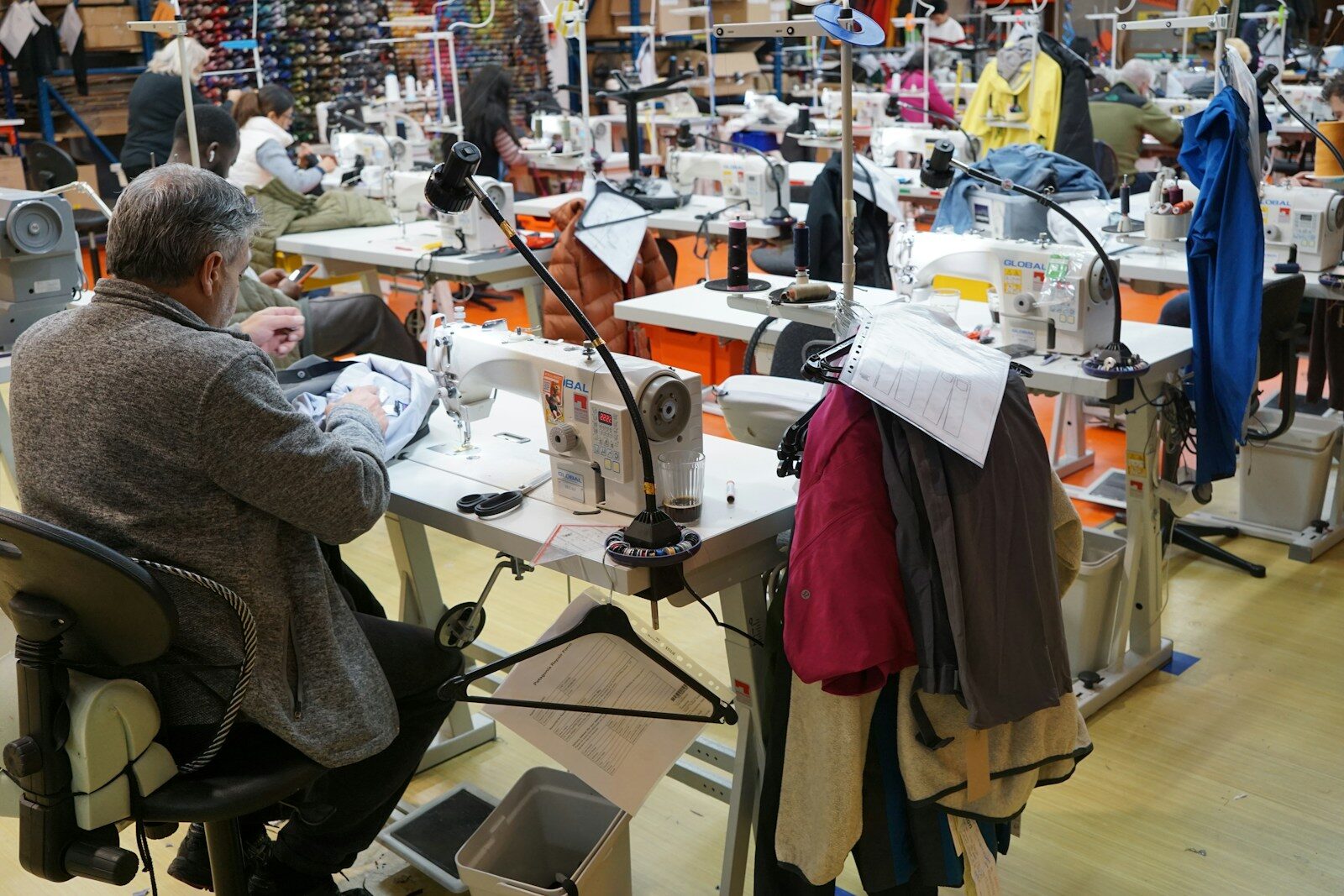
The trouble starts because the work goes out with a verbal promise and comes back the same way. The embroidery was sent on Monday, due on Thursday, and on Friday nobody knows where it is. The boutique calls the karigar, who says it will come tomorrow. The customer calls the boutique, who says the same thing. The dress waits, the customer waits, and the wedding date does not wait for anyone.
That delay costs the boutique more than the dress. The customer who collects her dress late tells her family. The next bride books elsewhere. And the boutique, which did good work in the end, is remembered for the wait — not for the dress.
Paid by the piece, proved by the record

In Smart POS, every piece of work is on the record: which dress, which karigar, which rate, and which date it is due. When the work comes back, it is marked delivered against the order — and the karigar is paid from the record, for the pieces he actually delivered, at the rate that was agreed. There is no argument about the count, no argument about the rate, and no payment for work that never arrived.
That record also keeps the payments honest in the other direction. A karigar who delivers on time, every time, is visible in the numbers — and the boutique can pay him first, give him the best work, and keep him. A karigar who is always late is visible too, and the work can go to someone who will bring it back on the day it is due. The record settles the argument before it starts, and the trust survives the deadline.
The deadline the record protects
The customer’s delivery date is the one date that cannot move. In Smart POS, the dress’s deadline is on the order, and every piece of work on it carries its own due date — so the boutique can see, days ahead, whether the dress will be ready. If the embroidery is late, the boutique knows on the day it was due, not on the day the customer arrives. There is still time to chase it, or to move the work to another karigar, before the customer is disappointed.
That warning is what keeps brides coming back. A boutique that delivers on the day, every time, is a boutique that brides recommend to their sisters and friends. The record is what makes that possible: the work, the karigar, the rate and the date, all in one place, where the dress cannot wait and the deadline cannot slip.
With every piece of work on the record, every karigar paid from the record, and every deadline protected by it, a boutique stops losing dresses to work that went out and never came back on time. The dresses arrive when they should, the karigars are paid fairly, and the customers collect their orders on the day they were promised.
Smart POS is built for boutiques in Pakistan: karigar piece-rate records, order deadlines, and payments that follow the work delivered.
See how Smart POS works for boutiques — Smart POS for Boutique. Try free for 15 days, no credit card required.