
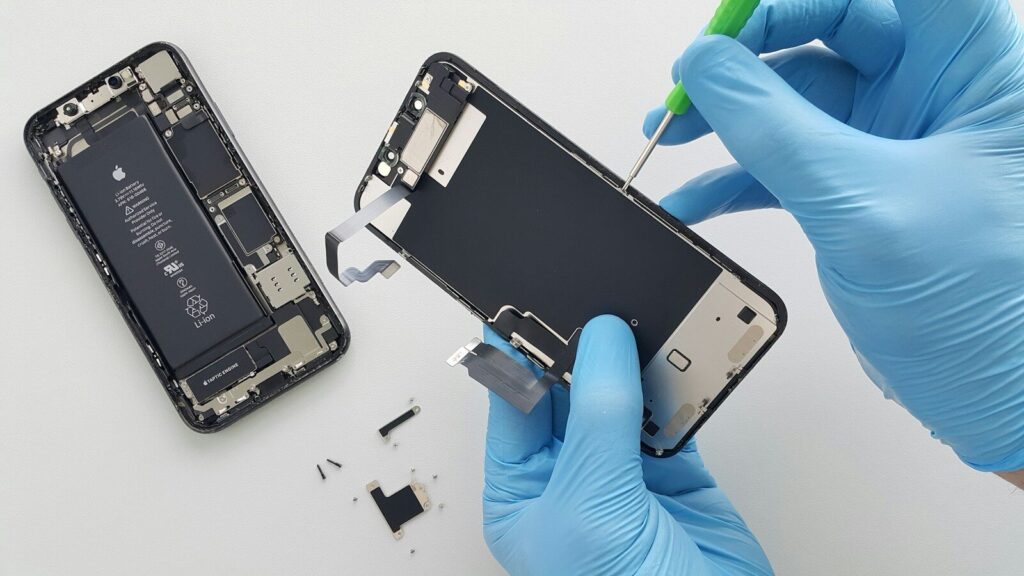
A new phone is supposed to work. The customer pays, takes it home, and expects it to switch on, charge, and last. But sometimes it does not — the screen flickers, the battery drains in an hour, the phone switches itself off. The customer comes back the next day, or the next week, holding the phone and the bill, and wanting one thing: for the shop to make it right. How the shop answers decides whether that customer ever buys a phone there again.
That is the warranty problem. The customer is already angry — the new phone failed, the money is spent, and the shop is the one standing in front of him. If the shop argues, asks for proof the customer cannot find, or sends him away to the company himself, the customer remembers the shop for the wrong reason. And if the shop simply replaces the phone without a claim, it pays for a fault that was never its own.
The phone that failed in a week

The trouble starts because the warranty is judged from memory. The customer brings back a phone and says it stopped working. The shopkeeper has to decide, on the spot, whether the phone was bought here, when it was bought, and whether the fault is covered. Without a record, the decision is a guess — and a guess at the counter, in front of a queue, is an argument waiting to happen.
That argument costs more than the phone. The customer who is refused a warranty tells his friends and family. The customer who is given a replacement he did not deserve costs the shop a phone it can never sell as new. Either way, the shop loses — because it decided from memory instead of from a record.
The claim the distributor accepts
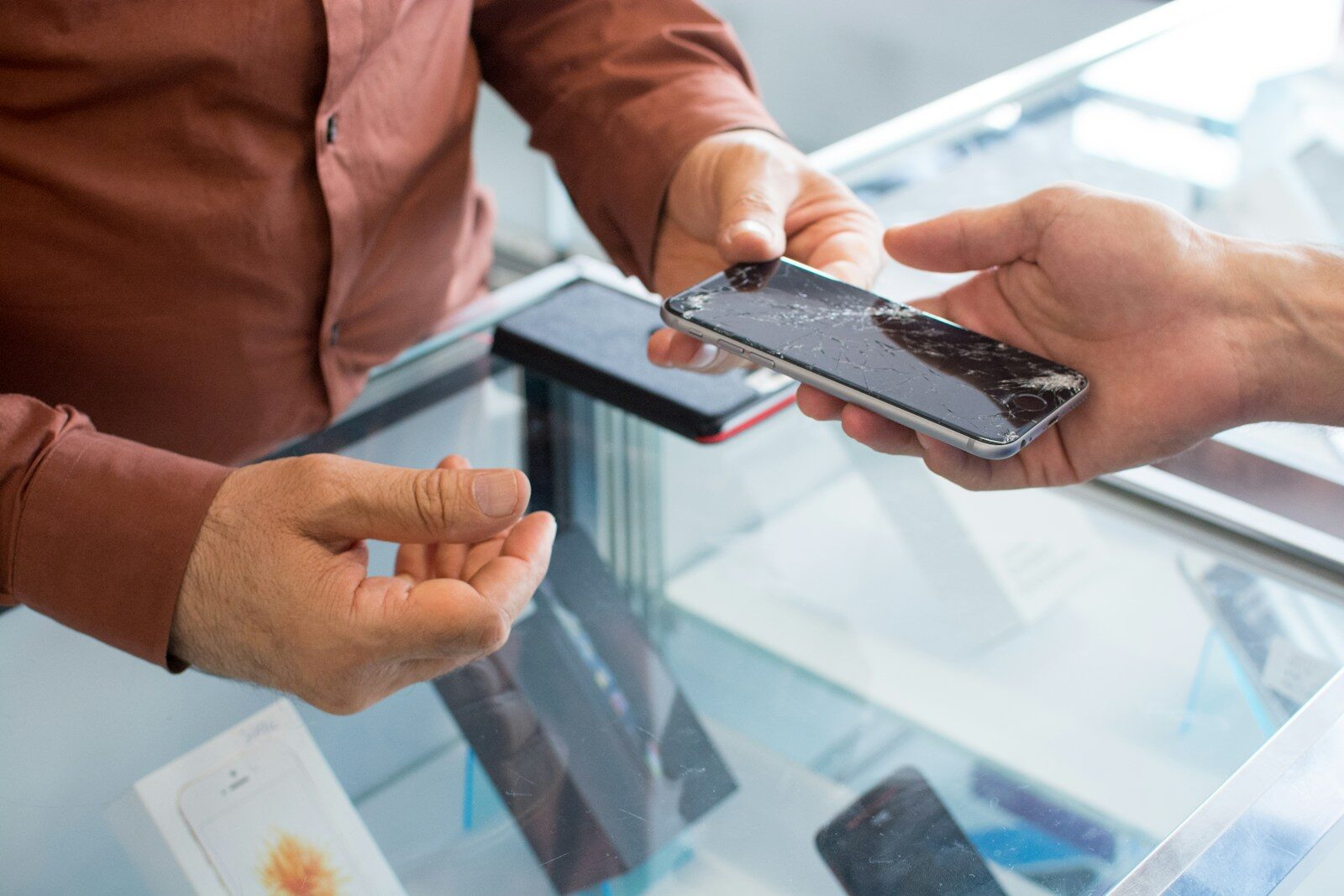
With a sales record, the warranty is simple. The bill shows what was sold, in which model, with which IMEI, and when. The shopkeeper checks the bill, sees the phone is still within warranty, and takes it back — and the claim goes to the distributor with the record attached: the model, the IMEI, the date, and the fault. The distributor accepts the claim because the proof is there, and the shop is credited for the faulty phone instead of paying for it.
That record also keeps the faulty phone honest. A phone that failed in the box goes back to the distributor, not back onto the shelf to be sold again. A phone that was damaged by the customer is easy to spot against the sale date and the condition it left in. The shopkeeper can say yes with evidence, or no with evidence — politely, and without an argument.
A replacement, not a lost customer
The customer who came back angry leaves with a working phone — and with a reason to come back again, next time, to buy. That is what a warranty is for: not to argue about, but to honour, quickly, so the customer trusts the shop with the next phone, and the one after that.
Over time, that record tells the shop something useful too. Which models fail most often, and which ones never come back at all? A model that is returned again and again is a model with a problem, and the shop can stop ordering it — or order it only from the distributor whose stock holds up — instead of finding out one unhappy customer at a time.
With every sale on the record, every claim proved with the bill, and every faulty phone sent back to the distributor, a mobile shop turns its worst moment into its best one. The customer is looked after, the shop is not left paying for the company’s fault, and the trust that was tested at the counter comes back stronger than before.
Smart POS is built for mobile shops in Pakistan: IMEI-wise sales records, warranty claims, and distributor credits that settle every faulty phone.
See how Smart POS works for mobile shops — Smart POS for Mobile Shop. Try free for 15 days, no credit card required.