

Every pharmacy owns stock it can never sell. Medicines bought in quantity, kept on the shelf, and quietly passed their date while the shop was busy selling the fast movers. The box sits there, expired, and the money it cost sits with it — until someone throws it away, and the loss is final. The shop paid for stock it never sold, and the distributor who sold it never heard about it.
That is the expired-stock problem. A medicine does not expire loudly. It expires one box at a time, on a shelf nobody checked this month, and by the time it is found, the date is gone and so is the chance to claim it back. Most distributors take back expired stock — but only what is claimed, with proof, and only within their own time. A pharmacy that cannot prove what expired, and when, cannot claim a rupee of it back.
The medicine that expired quietly
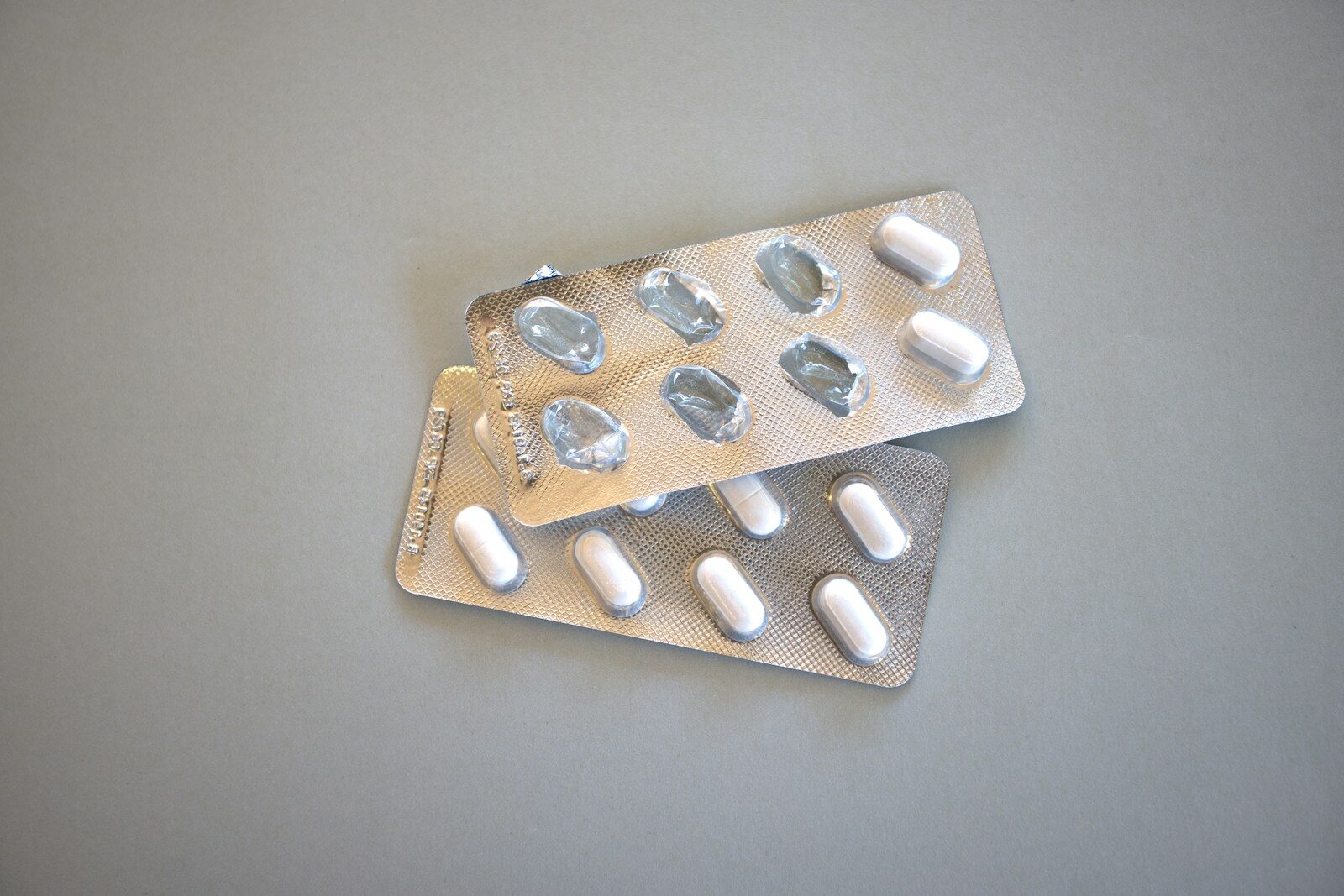
The trouble starts because expiry is checked by hand, when someone remembers, and the shelf is full of boxes with different dates. The fast sellers never last long enough to expire. The slow ones sit — a syrup for a rare condition, a cream nobody asked for this season — and their dates pass unnoticed. The stock record says the medicine is there. The shelf says it is there too. But it is not sellable, and nobody knows until a customer asks for it and the shopkeeper reads the date.
That gap costs more than the expired box. The shelf holds stock the system thinks is sellable, so the shop does not order a fresh batch — and when a patient needs that medicine, the shop has an expired box and no good one. The sale is lost, the patient goes elsewhere, and the expired box goes in the bin. The record was wrong, and the shop found out at the counter, in front of a patient.
Claimed with proof, not with a plea
In Smart POS, every medicine carries its expiry on the record, and the near-expiry list is there to read before the date passes. The pharmacist can see, in a moment, which boxes expire this month and which expire next — and the slow ones can be sold first, moved to the front of the shelf, or returned before it is too late.
And when stock does expire, the claim is made with proof. What expired, how much, and when it was bought — all of it is on the record, so the distributor takes it back and credits the account. There is no argument about the quantity, no argument about the date, and no plea. The claim is a list, and the list is the evidence. Over a year, the credit from returned stock is real money — money the pharmacy used to throw away in the bin.
Bought so it does not expire again
The record also stops the problem from repeating. A medicine that expired twice is a medicine the shop buys too much of, and the sales record proves it. The next order is smaller, sized to how fast that medicine actually sells — and the money that used to sit in expired stock goes into medicines that move.
That is how a pharmacy turns dead stock into working money. The slow medicines are ordered in small quantities, the fast ones are never short, and the shelf holds stock that can actually be sold. Nothing sits long enough to expire quietly, and nothing that does expire is ever thrown away without a claim.
With every expiry on the record, every return claimed with proof, and every order sized to what actually sells, a pharmacy stops paying for stock it never sold. The shelf stays honest, the distributor credits what comes back, and the money the shop used to lose to expired boxes stays in the business.
Smart POS is built for pharmacies in Pakistan: batch and expiry records, distributor returns, and orders sized to what actually sells.
See how Smart POS works for pharmacies — Smart POS for Pharmacy. Try free for 15 days, no credit card required.