
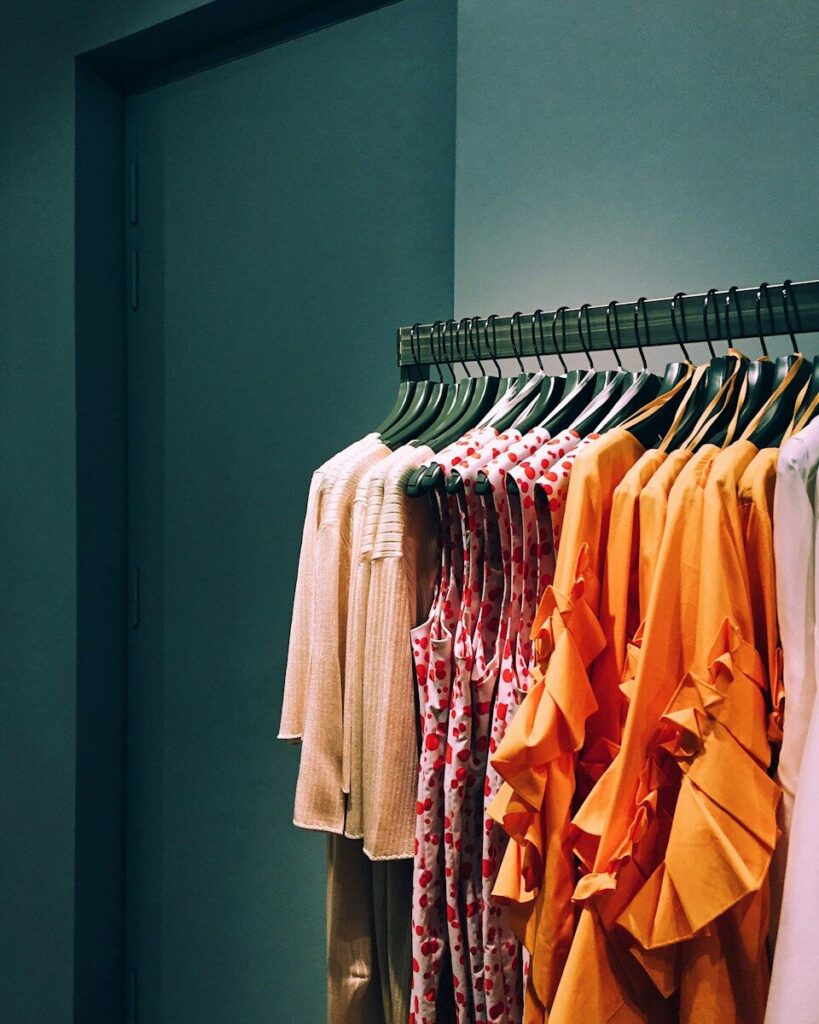
Eid and wedding season can make a clothes shop’s year. For a few weeks, every customer is buying — new suits, new dresses, outfits for the whole family — and the shop that has the right stock sells more in a month than in the three months before it. But the shop that buys wrong spends the same weeks watching rails of unsold clothes, and the season after that, paying for them.
That is the seasonal buying problem. The season is short, the stock is expensive, and the buying happens weeks before the first customer walks in. Without a record of what sold last season, the owner buys by feeling — the styles they like, the colours they remember, the supplier who visited last — and the rails fill with guesses.
Buying before the season, not during it

In Smart POS, the buying starts from last season’s sales, not from this season’s hopes. Which styles sold, which sizes ran out, which colours sat on the rail — all of it is on the record. The owner orders while the good stock is still available, in the quantities that actually sold, instead of discovering, mid-season, that the best sellers are gone and the slow ones are everywhere.
That timing matters because festive stock cannot be ordered late. The supplier’s best pieces go first, and the shop that waits is left with what nobody else wanted. An order placed early, from evidence, is an order that arrives in time — and a shop that is full when the season starts, not still waiting for deliveries.
The collection that sells itself

Every season has a collection that sells itself — the styles customers ask for by name, the sizes that run out first, the colours that suit everyone. The record shows which ones they are, because it shows what sold last time, and how fast. The owner can order more of those, and less of the pieces that only looked good in the supplier’s catalogue.
That is the difference between a shop full of clothes and a shop full of sales. A rail of the right styles, in the right sizes, sells itself — the customers do the choosing. A rail of guesses needs discounting, persuading, and luck. The record tells the owner which rail they are building, before the season begins.
Leftovers that still earn
Even the best buying leaves something over. A size that did not move, a colour that was not this year’s, a style that sold well everywhere except here. In Smart POS, those leftovers are counted, not forgotten — what is left, what it cost, and what it can still earn. The shop clears them honestly, at a fair price, instead of carrying them into next year as if they were still new.
That clearing is part of the season, not a failure of it. The money from last season’s leftovers buys next season’s stock, and the record shows the true cost of the season — what was earned, what was cleared, and what should be bought differently next time.
With buying built on last season’s evidence, the right collection in the right sizes, and leftovers cleared honestly, a clothes shop can meet Eid and wedding season ready — full shelves, fast sales, and no rails of regret when the season ends.
Smart POS is built for clothes shops in Pakistan: size and colour stock, sales reports, and buying records that make every season count.
See how Smart POS works for clothes shops — Smart POS for Clothes Shop. Try free for 15 days, no credit card required.