
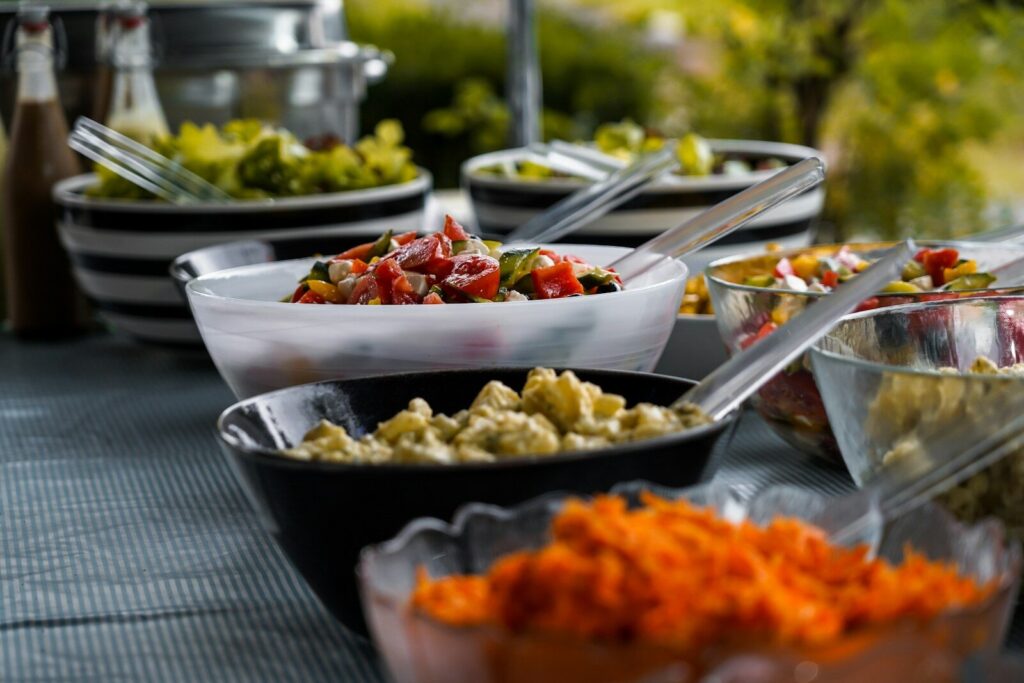
A restaurant can serve a hundred people in its dining room on a busy night. But catering is different: a hundred people at a wedding hall, or an office lunch for an entire company, all eating at the same time, all from one kitchen, all on one order. It is the biggest order the restaurant will ever take — and the one where a mistake costs the most.
That is the catering problem. The headcount changes, the menu changes, the deposit is paid in parts, and the food has to be ready at a time that cannot move. Without a record, the kitchen cooks from memory, the counter bills from memory, and the customer pays for what somebody remembers — which is rarely what was actually served.
One kitchen, a hundred plates
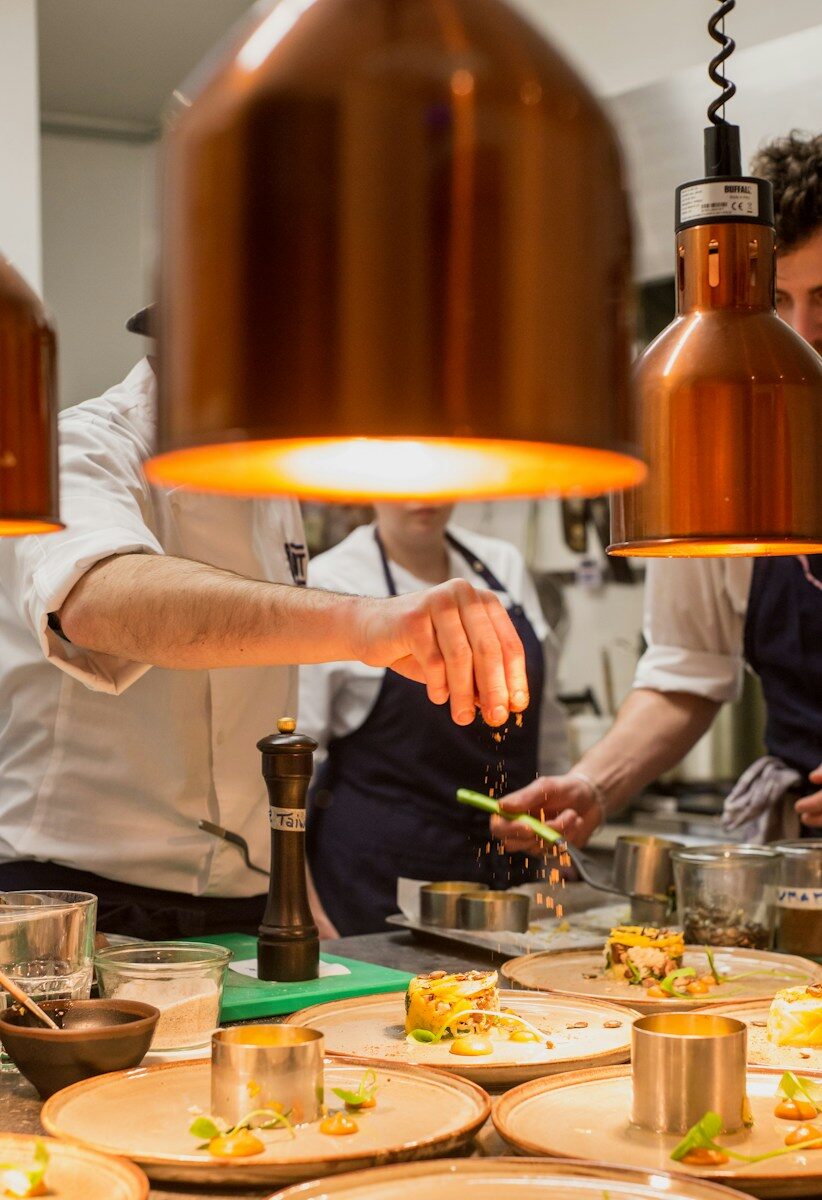
In Smart POS, a catering order is planned as one job, not a hundred separate ones. The menu, the number of guests, the dishes, the quantities — all of it is on a single order, so the kitchen knows exactly what to cook and how much. When the headcount changes, the order changes with it, and the kitchen sees the new numbers at once.
That planning is what makes a big event calm. The cooks are not guessing how many plates to prepare, and the owner is not discovering, halfway through the evening, that the food will run out before the last table is served. A hundred guests are fed from one plan, and the plan is written down.
The deposit that holds the date

A catering booking is held by its deposit, and the deposit is where most arguments start. The customer paid something, the restaurant remembers something else, and the date is in doubt. In Smart POS, every advance is recorded against the event — how much was paid, when, and what is still due — so the date is held and the money is safe, for both sides.
That record also protects the restaurant. A booking without a deposit is a date the customer can cancel without a thought. A booking with a recorded deposit is a commitment, and if the customer does cancel, the restaurant knows exactly what was paid and what was agreed. The date is held, the kitchen can plan, and nobody argues about the money afterwards.
After the event, the record that remains
When the event is over, the record is what the restaurant learns from. What was served, what ran out, what came back uneaten, what was paid — all of it is there. The next time a customer books a hundred guests, the restaurant does not start from nothing. It starts from what the last event actually cost, and what it actually earned.
That is how catering becomes a real part of the business, not a gamble taken a few times a year. The restaurant can quote the next event with confidence, because the last one is on the record — the food, the cost, and the profit, all counted.
With one order for the whole event, every deposit on the record, and every lesson kept for the next booking, a restaurant can cater for a hundred guests as calmly as it serves a table of four. The food arrives on time, the bill is fair, and the customer who booked once books again.
Smart POS is built for restaurants in Pakistan: catering orders, advance records, and billing that keeps big events calm.
See how Smart POS works for restaurants — Smart POS for Restaurant. Try free for 15 days, no credit card required.