
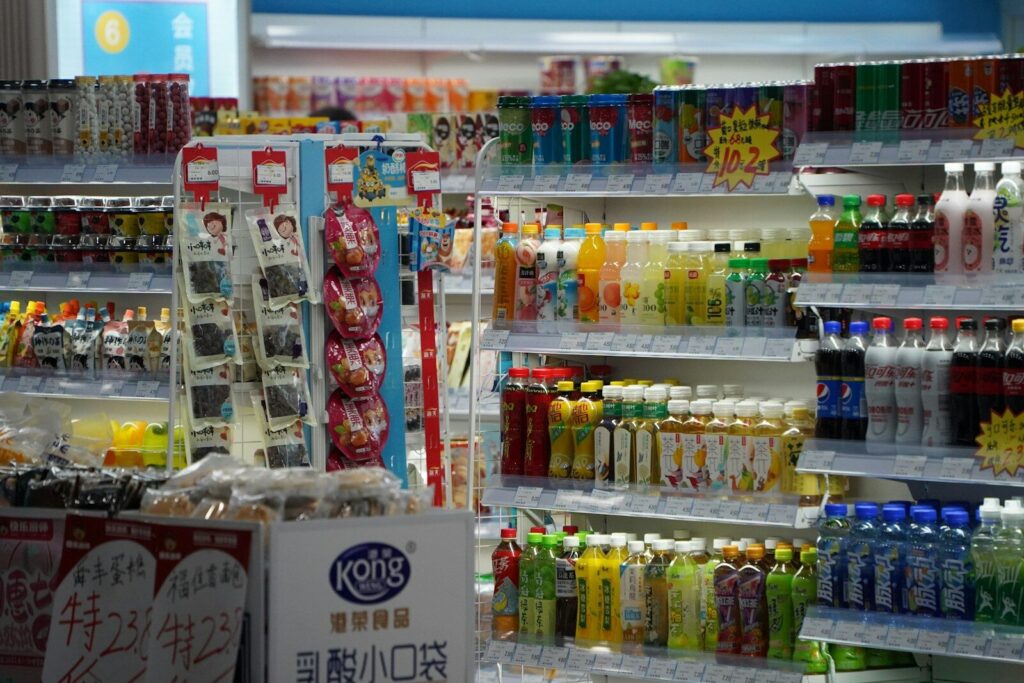
A snack has a date on it, and the date does not wait. A packet of biscuits that was fine last week is out of date this week, and a student who eats it will tell his friends, his teacher, and his mother. A cold drink that is not cold is not a cold drink at all — it is a warm bottle a driver will not pay for. In a tuck shop, the stock is small, the shelves are shallow, and the things that go wrong do so quietly: a packet expires at the back of the shelf, the chiller runs low at midnight, and the shop finds out from a customer, not from a record.
That is the expiry problem. Snacks are bought in small quantities, in many kinds, and each kind has its own date. The shopkeeper cannot remember them all, and the shelf cannot tell him. The packet at the front is fresh, the packet at the back expired last month, and the student who reaches for it does not check the date — he trusts the shop to have checked it for him.
The snack that expired quietly
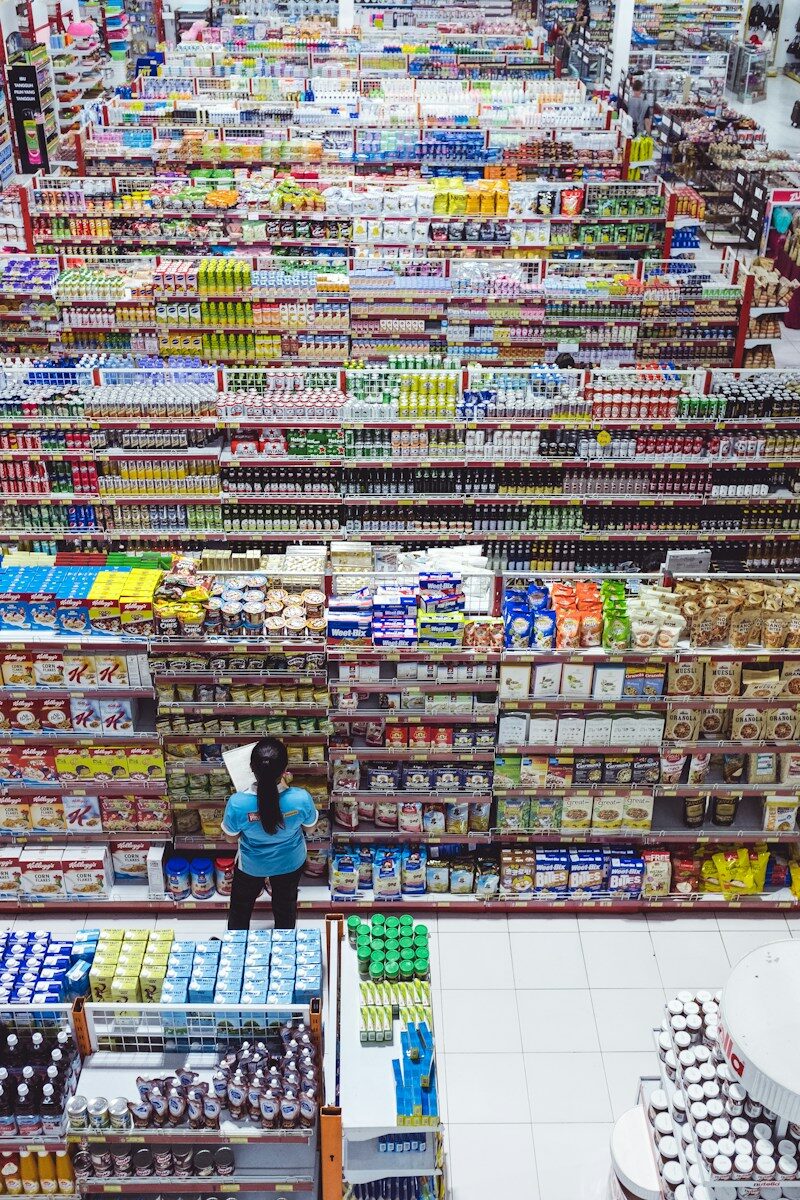
The trouble starts because expiry is invisible until it is too late. A packet of crisps looks exactly the same on the day it expires as it did the day it arrived, and the shopkeeper who does not check the dates will sell it without knowing.
That is why expiry must be on the record, not in the shopkeeper’s head. In Smart POS, every snack is recorded with its expiry date when it arrives, and the stock that is nearest its date is sold first. The shopkeeper can see, at a glance, which packets are running short on time, and move them to the front, or offer them at a clear price, before they expire — instead of finding out from a customer.
Cold drinks, counted before the night
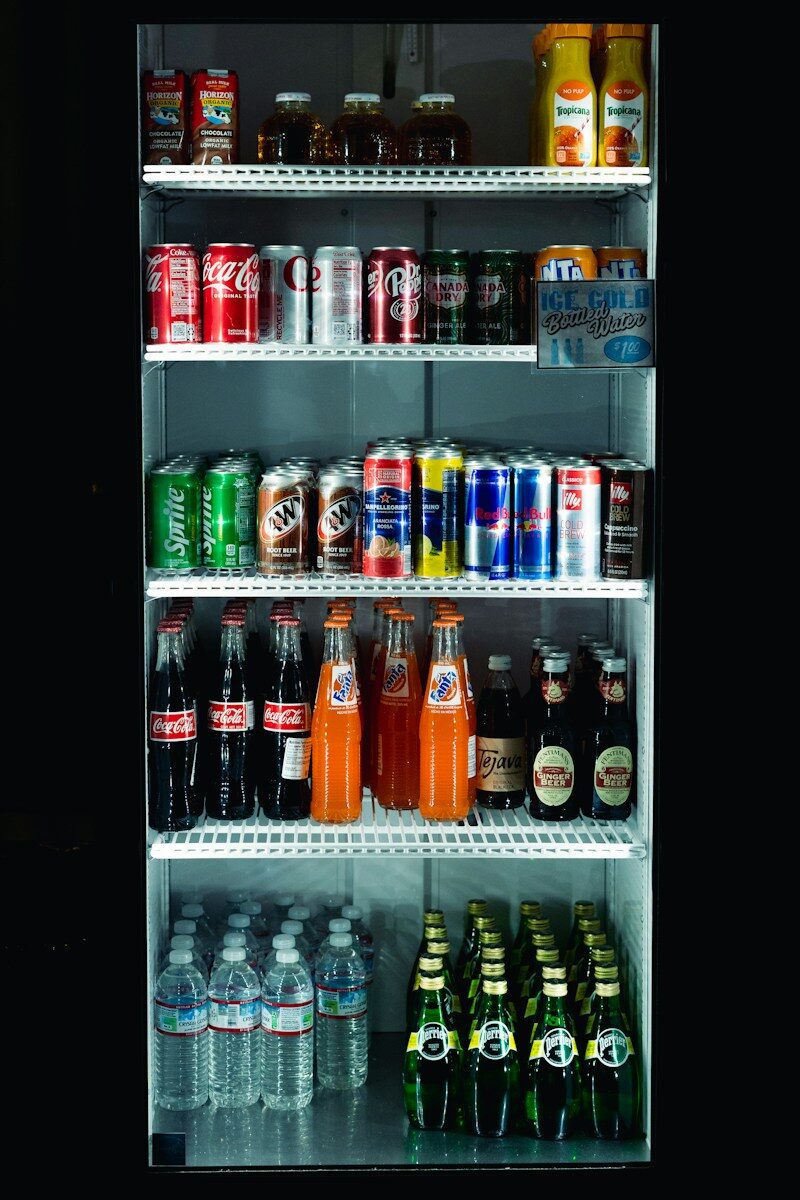
The fridge is the other half of the same problem. A cold drink is the best seller in a tuck shop — at break time, on a hot afternoon, at midnight on the forecourt — and it is also the first thing to run out. The chiller holds only so many bottles, and when it is empty, the customer who wanted a cold drink buys nothing at all. The shop loses the sale, and the customer remembers that the fridge was empty.
In Smart POS, the fridge is counted before the rush, not after it. The drinks in the chiller, the bottles in the godown, the stock that will last until morning — all of them are on the record, and the low-stock alert fires before the chiller is empty, not after the last driver has left empty-handed. The owner fills the fridge before the night begins, and the night’s customers find it cold.
The shelf the parents trust
Over time, that record becomes the shop’s reputation. The parents who know the tuck shop checks its dates trust it with their children’s snacks. The drivers who know the fridge is always cold stop at this pump and not the next one. A tuck shop that is safe and stocked earns its customers every day — and a tuck shop that sells an expired snack, or an empty fridge, loses them in a day.
That is how a tuck shop turns its smallest stock into its strongest trust. The snacks are checked, the drinks are cold, and the record keeps both true — because the shop that counts its dates and its fridge never has to explain itself to a parent, a teacher, or a driver at midnight.
With every snack’s expiry on the record, every fridge counted before the rush, and every near-date packet sold first, a tuck shop stops losing customers to a quiet expiry or an empty chiller. The shelves are safe, the drinks are cold, and the customers who trust the shop keep coming back.
Smart POS is built for tuck shops in Pakistan: expiry and fridge stock, low-stock alerts, and records that keep the shelf safe.
See how Smart POS works for tuck shops — Smart POS for Tuck Shop. Try free for 15 days, no credit card required.