
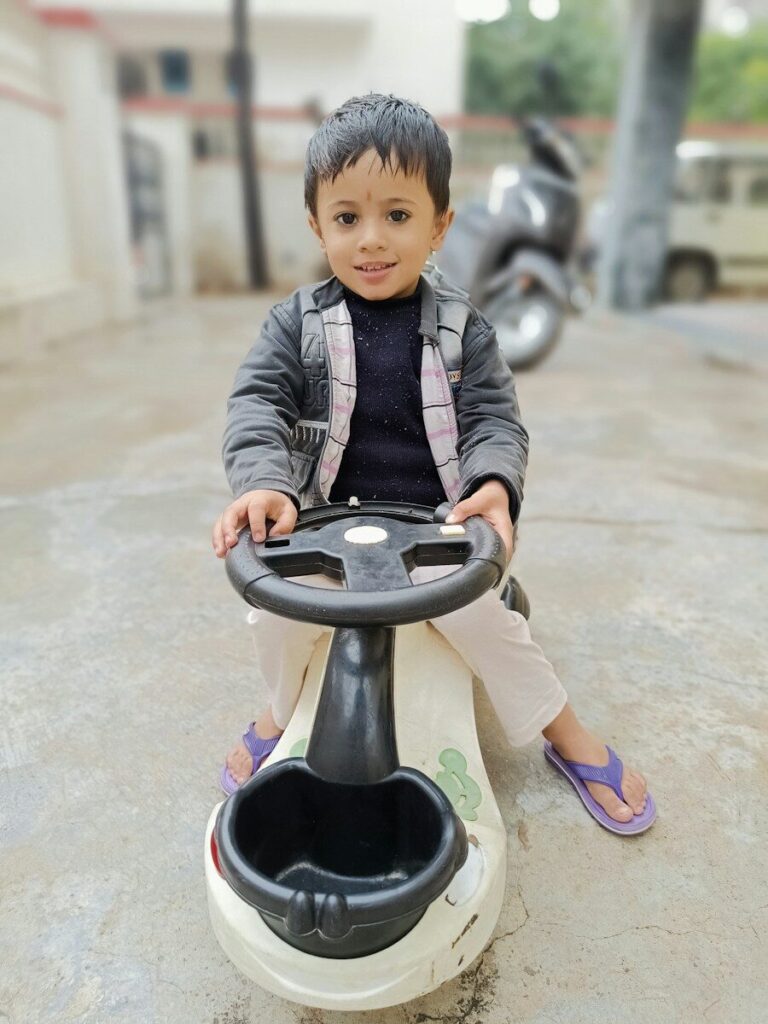
A toy car that does not move is not a toy. A doll that does not sing is not a gift. A remote-control helicopter that will not lift off is not a birthday present — it is a disappointment, and it comes straight back to the shop, with a crying child and an unhappy parent. Electronic toys are the dearest toys a shop sells, and they are the ones most likely to fail, because they depend on something the shop does not sell with them: a working battery, a charged cell, a remote that is paired and ready.
That is the battery problem. A battery toy has three parts, not one — the toy, the batteries, and the test. The shop that sells the toy without testing it is selling a promise it has not checked. The parent takes it home, puts in the batteries from the drawer, and the toy does nothing.
The toy that does not work
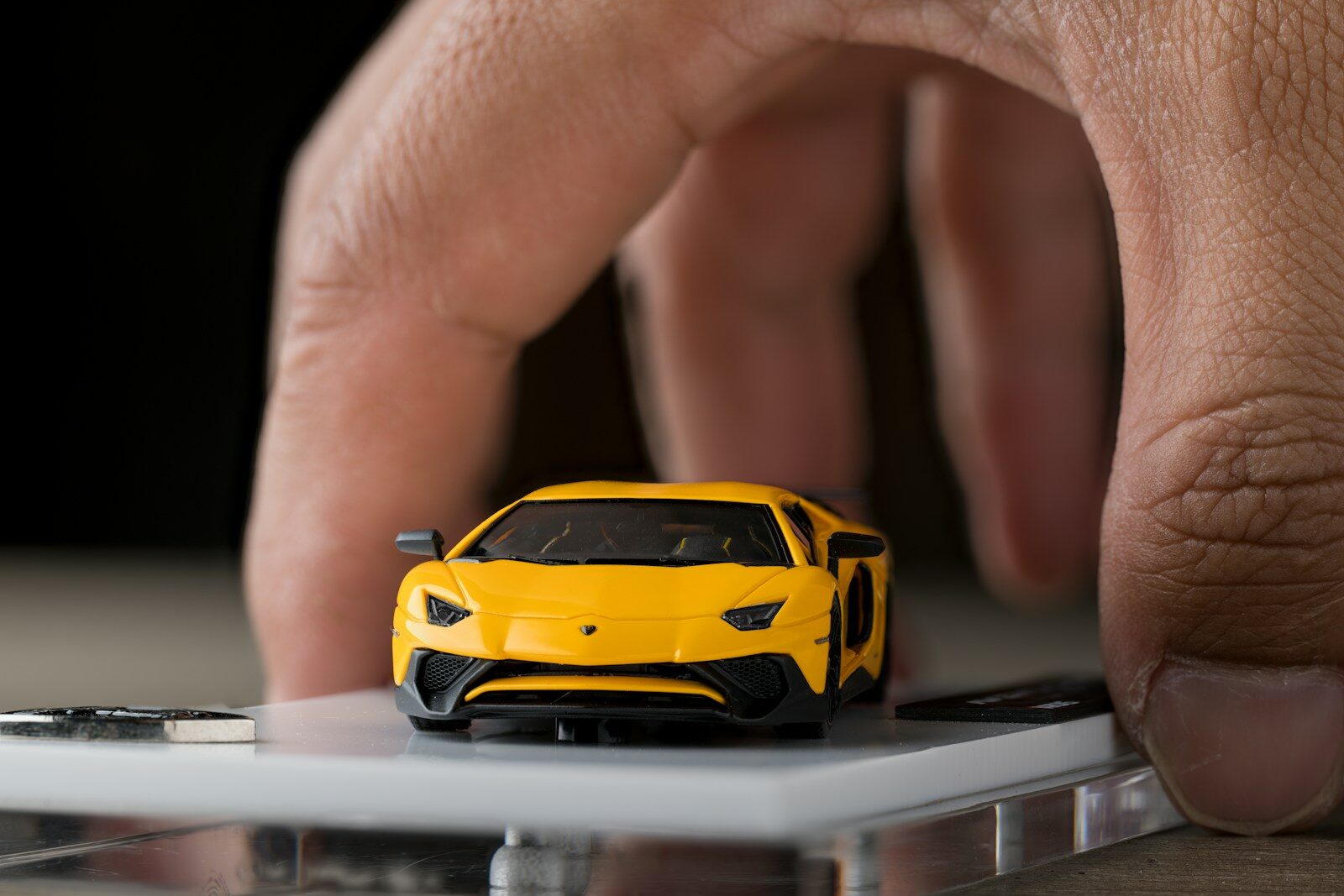
The trouble starts because a battery toy can look perfect and still fail. The box is sealed, the toy is new, the remote is in the packet — and the motor inside is dead, or the remote was never paired, or the battery contacts are loose. The shopkeeper cannot see any of this by looking at the box, and the parent cannot see it either. The first time anyone switches the toy on is at home, on the child’s birthday, when it is too late to swap it without a scene.
Batteries with the toy, every time
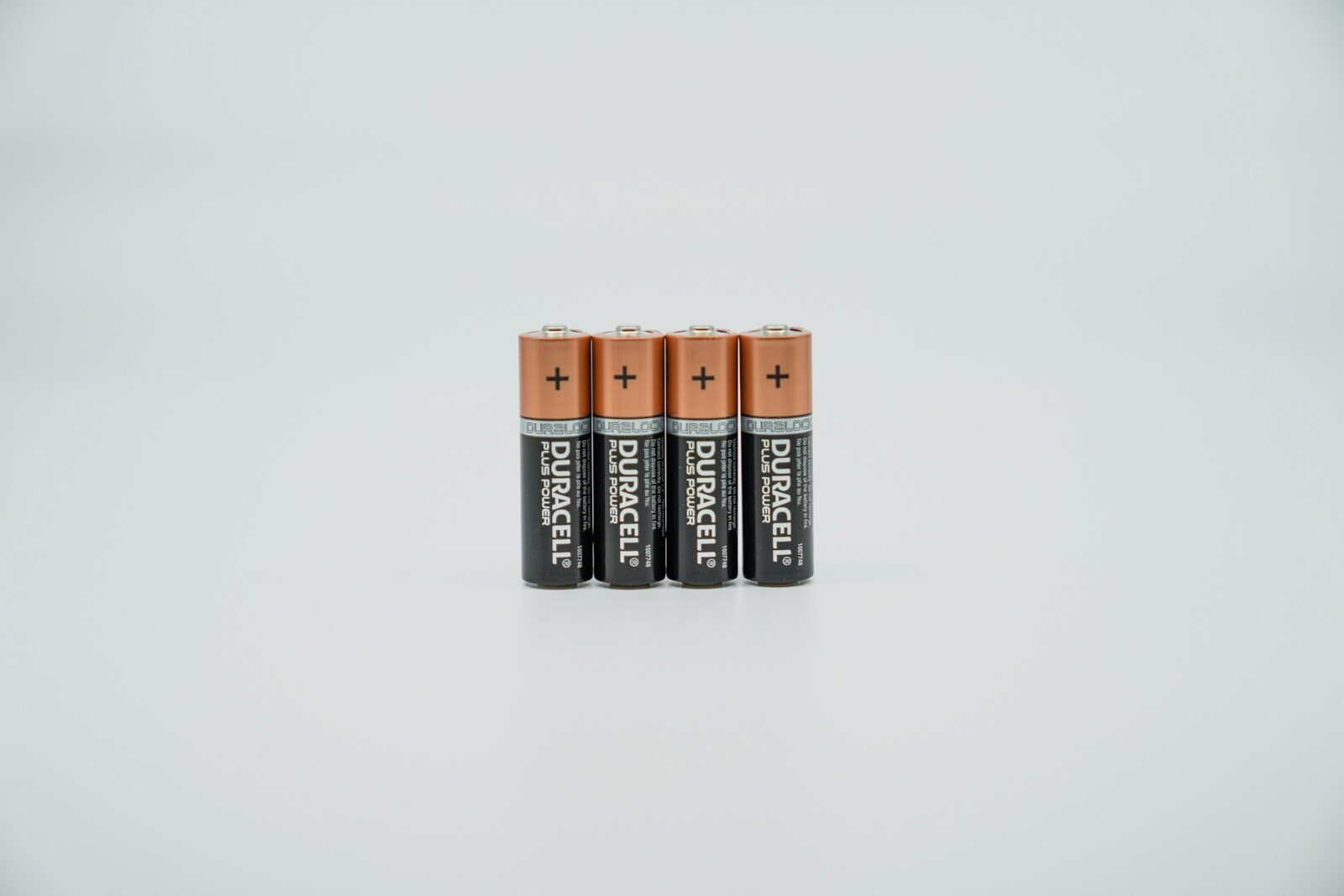
In Smart POS, a battery toy is sold as a complete set — the toy, the batteries it needs, and the test at the counter. The shopkeeper switches the toy on before it is wrapped, in front of the parent, and the parent sees it work with her own eyes. The batteries go into the bag with the toy, recorded on the same bill, so the customer never has to go home and find the toy has no power.
That record also keeps the shop honest about what it sells. A toy that fails the test at the counter does not go back on the shelf to be sold again — it goes onto the damage record, and back to the supplier with the bill to prove when it was bought and what was wrong with it. Over time, the record shows which brands fail most, and which ones never come back, and the shop can stop ordering the brands that break.
The test that builds trust
A toy that is tested at the counter is a toy the parent trusts, and a parent who trusts the shop buys again. She buys the batteries with the toy, the charger with the remote car, and the spare pack for the birthday — because the shopkeeper who tested the toy also knows what it needs. The sale grows, and the customer leaves happy, with a toy that works, on the day it matters.
That is how a toys shop turns its dearest toys into its safest sales. The electronic toys are tested, the batteries are sold with them, and the brands that fail are sent back to the supplier — with a record to prove it. The child gets a toy that works, the parent gets a shop she trusts, and the shop earns from the toys its customers love.
With every battery toy tested at the counter, every battery sold with its toy, and every failure claimed from the supplier, a toys shop stops losing customers to a toy that did not work. The toys are checked, the batteries are counted, and the birthday gifts that leave the shop work the first time they are switched on.
Smart POS is built for toys stores in Pakistan: battery and variant records, tested sales, and supplier claims that keep electronic toys trusted.
See how Smart POS works for toys shops — Smart POS for Toys Store. Try free for 15 days, no credit card required.