
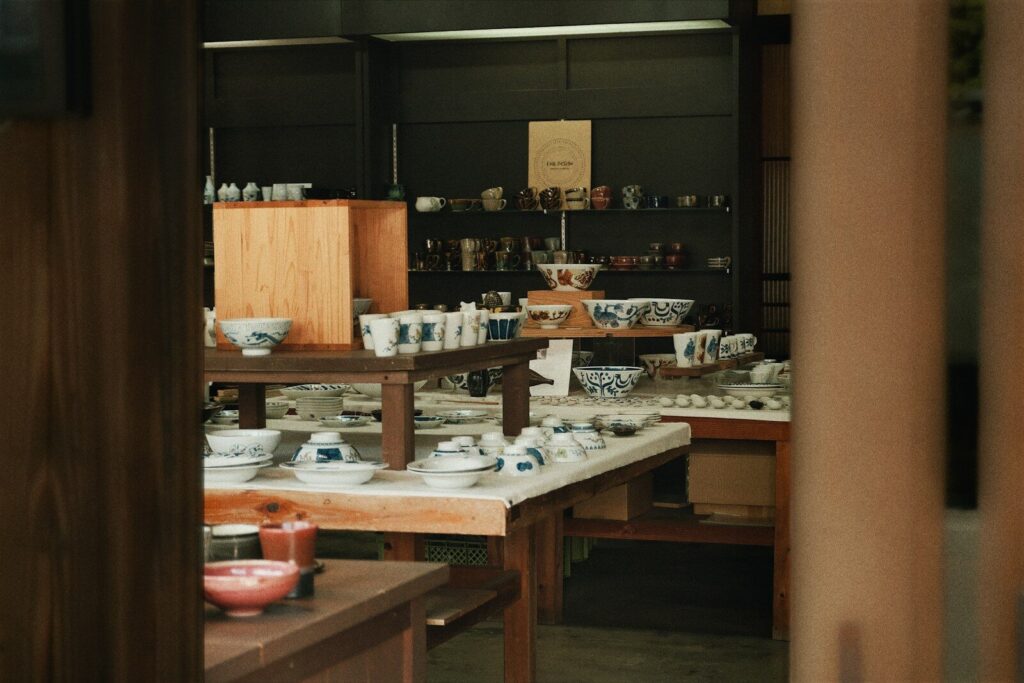
To a customer, a plate is a plate. To a crockery shop, a plate is three different products. Melamine is light, hard to break and cheap — the choice for daily use, for hostels and canteens, for families with small children. Porcelain is fine, heavy and dear — the choice for weddings, for gifts, for the dinner set a bride takes to her new home. Steel is plain, strong and practical — the choice for kitchens, for dhabas, for the family that wants crockery that lasts for years. They sit on the same shelf, they look alike at a glance, and they sell at very different prices.
That is the material problem. A shop that counts only plates cannot see which material is selling. The system says fifty plates are in stock, but it cannot say how many are melamine, how many are porcelain, and how many are steel. The melamine plates may be finished while the porcelain ones sit untouched, and the shop finds out the same way every time: a customer asks for the material she wants, and the answer is no.
Three materials, three prices
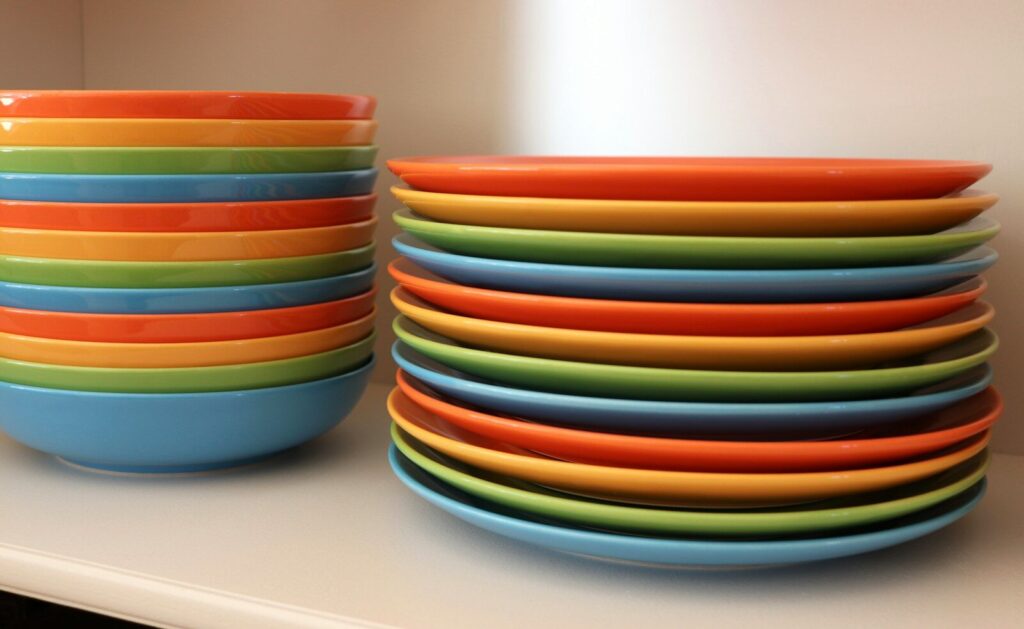
The trouble is that each material has its own price, its own customer and its own season. Melamine sells steadily all year, in large quantities, at a small margin. Porcelain sells in bursts — before Eid, before the wedding season — at a better margin, but only in full sets. Steel sells quietly, a few pieces at a time, to customers who want one strong bowl or one lasting plate. A shop that cannot see these three separately cannot price them right, cannot order them right, and cannot tell which one is actually earning.
That gap shows up at the counter. A customer asks for a melamine dinner set, and the shopkeeper brings out the porcelain one by mistake — or the other way round — and the price is wrong, the customer is confused, and the sale is lost. Or the shopkeeper knows the material is right, but the shelf count is wrong, and the set the customer wants is not there at all.
The material the customer asked for
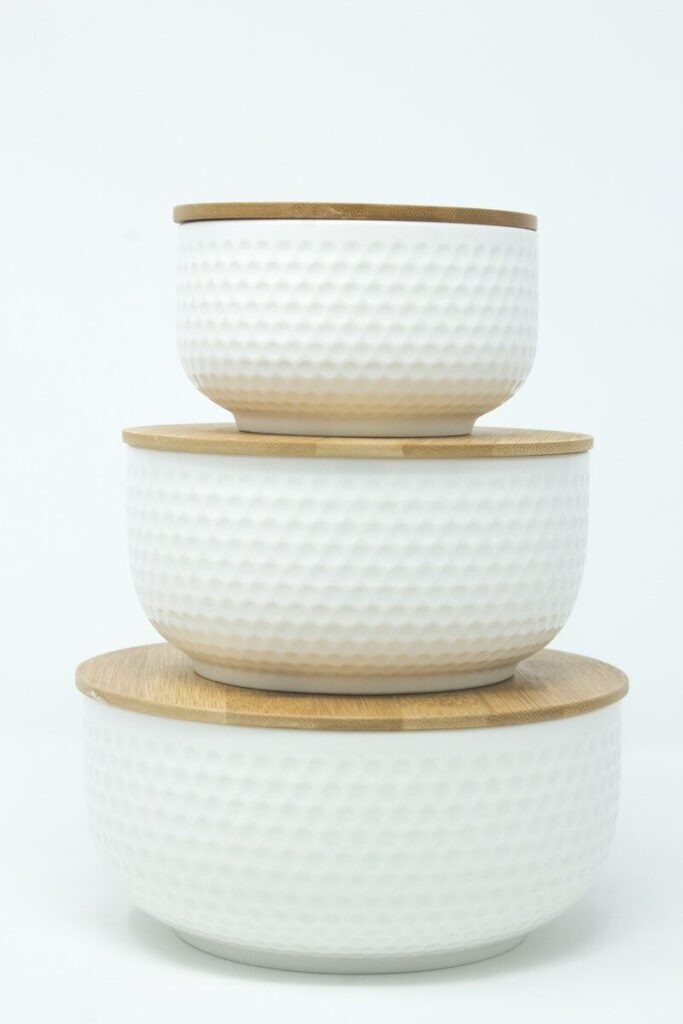
In Smart POS, each material is its own stock, with its own price and its own count. Melamine plates, porcelain plates and steel plates are not the same item, and the shop knows how many of each it holds. A customer who asks for melamine gets melamine, at the melamine price, from a shelf count that is true. A customer who asks for porcelain gets porcelain, and the shop knows whether a full set of that design is still complete.
That counting also sets the order right. When the shop orders more stock, it orders the materials that sold — melamine in quantity for daily trade, porcelain in sets before the season, steel in a few pieces at a time. The money goes where the customers are, and the godown stops holding material nobody wants.
What the material record shows
Over time, that record tells the shop something useful. Which material earns most, and which one only takes the shelf? Which designs sell in porcelain but not in melamine? Which customers always buy steel, and which ones always ask for porcelain? A shop that reads its material record stops ordering by habit and starts ordering by evidence — and the shelf fills with the materials the customers actually buy.
With stock counted by material, prices set for each kind, and orders placed on what actually sold, a crockery shop stops losing sales to a wrong material. The shelf stays honest, the materials stay available, and the customer who asks for melamine, porcelain or steel finds it — the first time she asks.
Smart POS is built for crockery shops in Pakistan: material-wise stock, set and loose-piece pricing, and shelf counts that stay true.
See how Smart POS works for crockery shops — Smart POS for Crockery Shops. Try free for 15 days, no credit card required.