
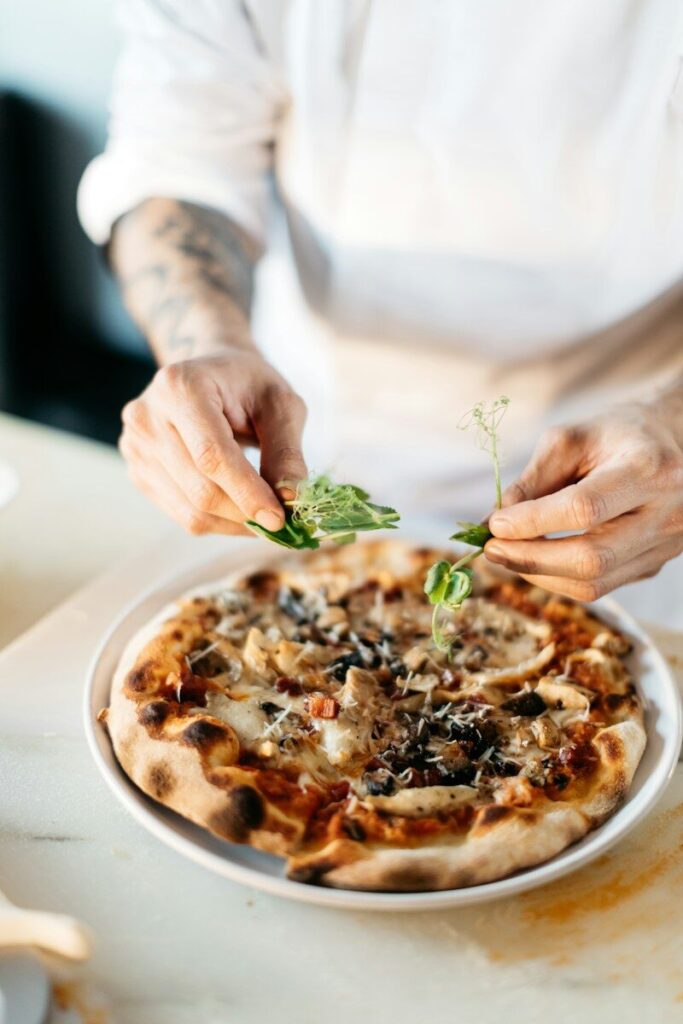
A pizza kitchen has three doors, and orders come through all of them at once. The delivery app sends an order. The phone rings with another. A customer walks in and orders at the counter. Three orders, three lists, one kitchen — and the cook who must make all three is reading whichever list is nearest. The app order is on a tablet, the phone order is on a slip of paper, the counter order is in the waiter’s head. Sooner or later, one of them is cooked twice, one of them is forgotten, and one of them is billed to the wrong customer.
That is the multi-channel problem. The pizza is the same, but the order is not — each door has its own list, its own price, and its own way of paying. The app takes its cut, the phone order is cash on delivery, the counter order is paid at the till. At the end of the night, the kitchen knows how many pizzas it made, and the counter knows how much money came in, and the two numbers do not agree — because the orders were never on one record.
Three doors, one kitchen
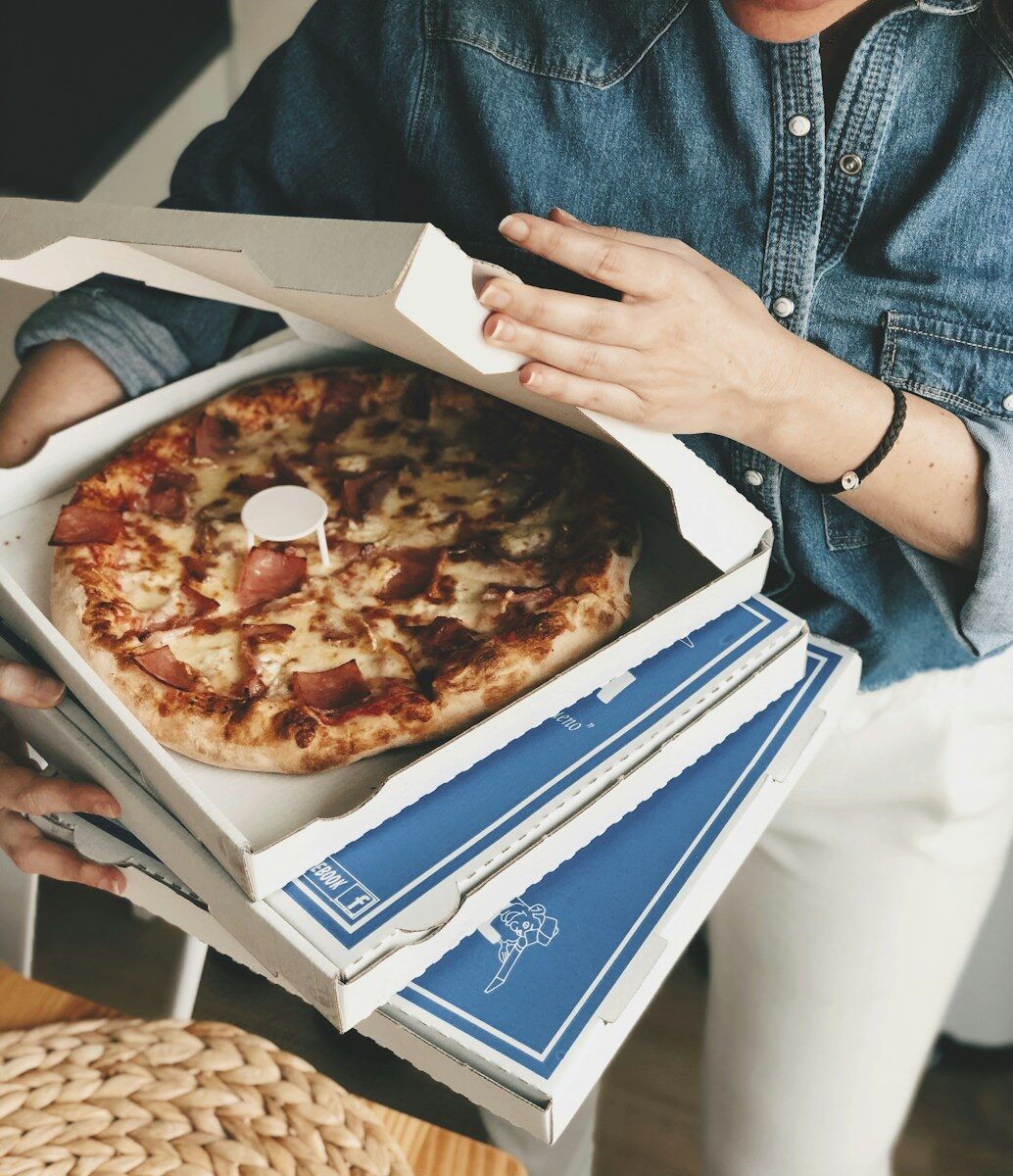
The trouble starts because each door runs on its own. The app sends orders straight to the kitchen, and the counter never sees them until the rider arrives. The phone orders are written down by whoever answers, in whatever handwriting they have, and the slip is carried to the kitchen — or left by the phone. The counter orders are shouted across the room. The kitchen cooks from three lists, and the lists disagree about what was ordered, when, and for whom.
The order that was counted twice

The worst mistake is the order counted twice. A customer orders on the app, then phones to check, and the shop takes it as a second order. The kitchen makes two pizzas. One is delivered, one is wasted — or both are delivered, and the customer is charged twice, and the argument starts. The same thing happens the other way: a phone order is written down, then the customer orders again on the app, and the kitchen makes one pizza for two orders. One customer gets their pizza. The other waits, calls, and never orders again.
In Smart POS, every order — app, phone or counter — lands on the same record. The kitchen sees one list, in the order the orders arrived, with the address, the rider and the payment on each one. An order that already exists cannot be taken twice, because the record shows it is already there. A pizza that is cooked is cooked once, billed once, and delivered once — through whichever door the customer came in.
The app order that pays the shop
The app orders need their own reckoning too. The platform takes its share, the rider takes his, and the shop must know, at the end of the week, what its app orders actually earned. Without a record, the shop sees the app’s number and its own number and cannot tell which one is right. The platform says one thing, the counter says another, and the difference is argued over — or quietly absorbed.
With every app order on the record, the reckoning is simple. What was ordered, what was paid, what the platform kept, and what the shop is owed — all of it is there, order by order, and the settlement is worked out from the record instead of from the platform’s word alone. The shop keeps the channel that earns and drops the one that does not — with evidence, not a feeling.
With every order on one list, every duplicate caught before it is cooked, and every app settlement proved from the record, a pizza shop stops losing its evenings to three different lists. The kitchen cooks in order, the riders leave on time, and the customers get the pizza they ordered — through whichever door they came in.
Smart POS is built for pizza shops in Pakistan: one order record for apps, phone and counter, kitchen lists in order, and settlements that add up.
See how Smart POS works for pizza shops — Smart POS for Pizza. Try free for 15 days, no credit card required.