
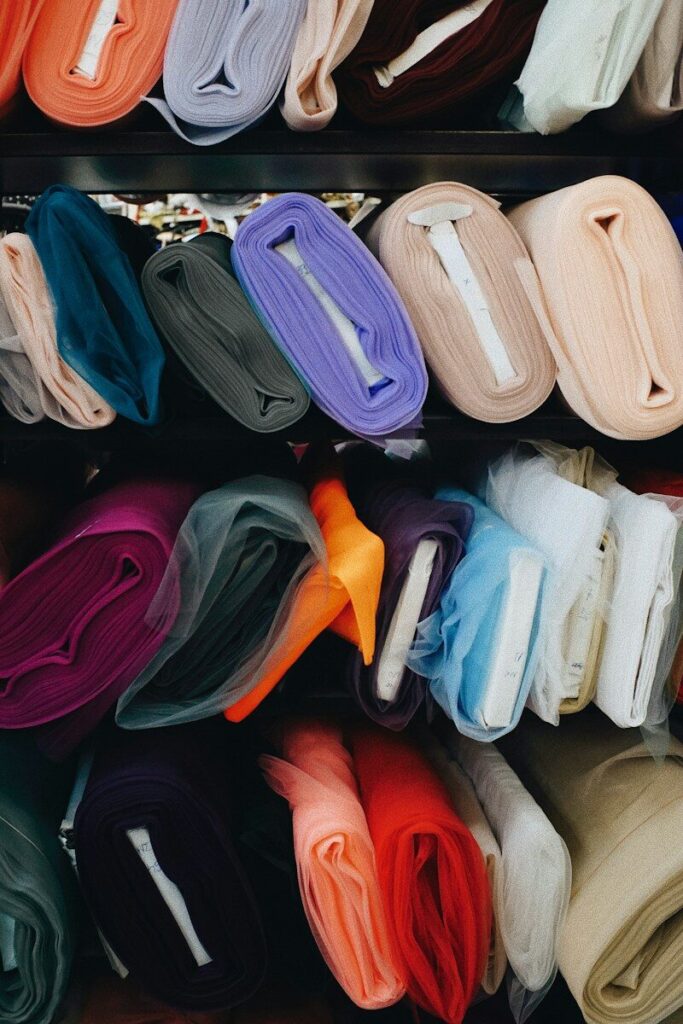
Unstitched fabric is the hardest stock a clothes shop owns. It arrives as a roll, it is sold by the metre, and it is cut to whatever length the customer asks for — two metres for a shirt, three for a suit, five for a full dress. The customer points, the shopkeeper unrolls, measures, cuts, and calls the price. The sale is done in a minute. And nobody writes down the length, the price, or what is left on the roll.
That is the fabric problem. A roll is not one product with one price — it is metres, and every metre cut from it is a sale that must be counted. The shopkeeper cuts from memory, charges from memory, and the roll shrinks faster than the record says it should. At the end of the month, the rolls are short, the money is short, and nobody can say where the metres went. Each cut was small. Together, they are a real sum — paid for in fabric the shop never sold.
The metre that was never billed
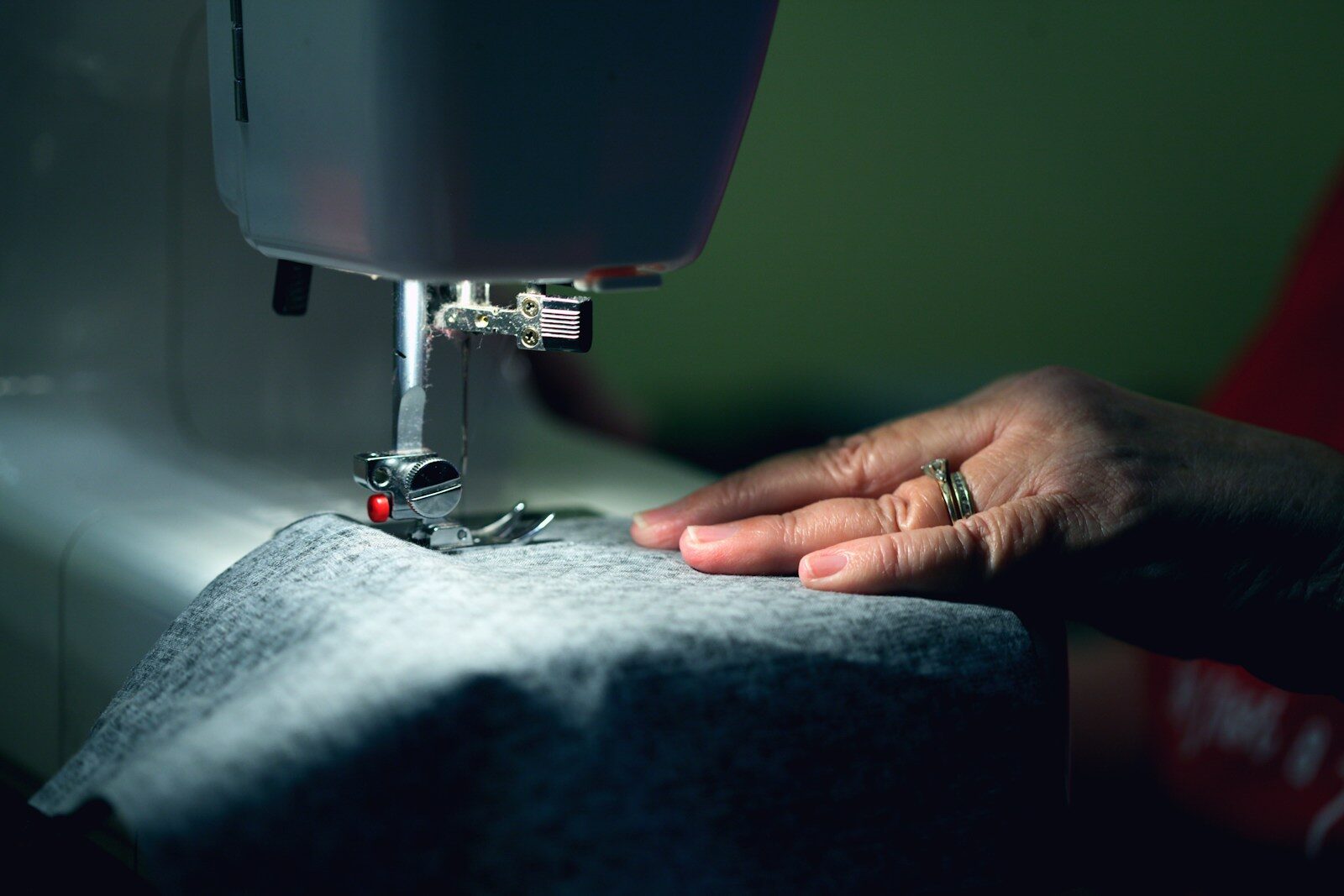
The trouble starts because fabric is counted by the roll and sold by the metre, and nothing connects the two. The system says five rolls of a design arrived. The shelf says the rolls are nearly finished. How many metres were sold, how many were cut short, and how many were given as a little extra to a regular customer — nobody knows, because the only record is the roll count, and the roll count says nothing about the metres.
That gap shows up when a customer asks for a design and the roll finishes mid-cut. The shopkeeper unrolls the last of it, measures, and finds it is half a metre short. The customer waits while another roll is found, or leaves to buy the full length elsewhere. The sale is lost, and the shop finds out — again — that it never knew how much was left on the roll.
Cut, measured and on the bill
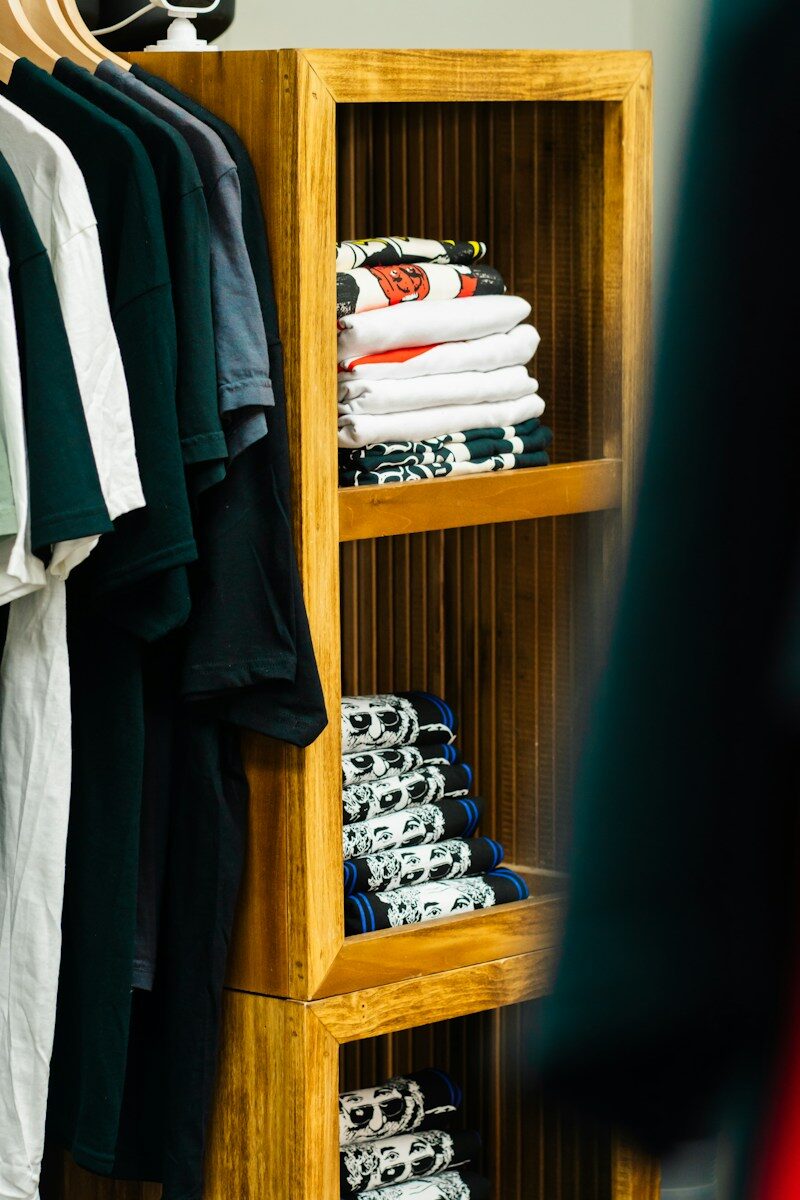
In Smart POS, every cut is measured and billed at the till. The shopkeeper cuts the fabric, the length goes onto the bill, and the price is worked out from the rate on the record — not from memory, not from a rate that changed last season. The customer sees the length and the price together, and the shopkeeper does not have to decide either of them on the spot.
That record also keeps the rolls true. Every metre sold takes a metre out of stock, so the roll count and the metres sold finally agree. The shopkeeper can see, at any moment, how much is left on each roll — not by unrolling it, but from the sales themselves. And when the rate changes, it changes once, on the record, and every counter in the shop charges the new rate from that moment.
The offcut that still earns
Not every piece of a roll becomes a sale. The end of a roll leaves a short piece — a metre, half a metre — too short for a suit but fine for a shirt, a sleeve, or a child’s dress. Left under the counter, it gathers dust. Sold at a clear price, it earns.
In Smart POS, the offcut is on the record too, with its own length and its own price. The shopkeeper can offer it honestly — a short piece at a short price — instead of cutting a fresh roll for a small job, or letting the piece sit for months. Nothing is left to drift, and the shop’s best designs are always available in full lengths for the customers who want them.
With every cut measured and billed, every rate on the record, and every offcut sold instead of wasted, a clothes shop stops losing money at its fabric counter. The rolls last as long as they should, the customers pay the right price, and the shop sells what it actually has — metre by metre, counted and paid for.
Smart POS is built for clothes shops in Pakistan: metre-wise fabric billing, roll stock by length, and records that keep every cut counted.
See how Smart POS works for clothes shops — Smart POS for Clothes Shop. Try free for 15 days, no credit card required.