
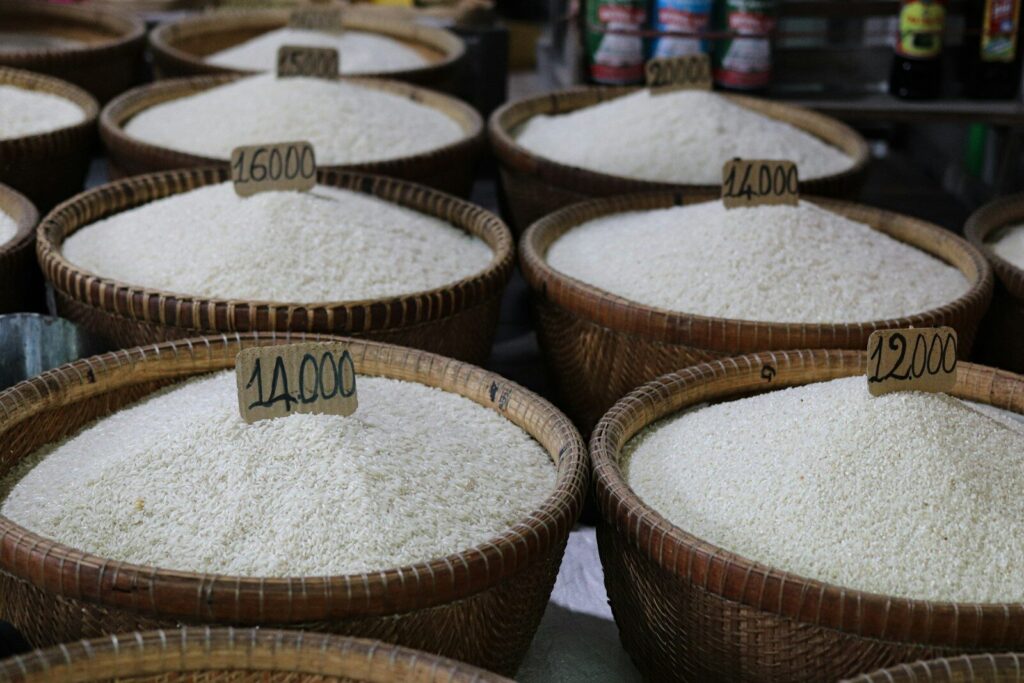
A supermarket’s loose counter is where money quietly leaks. Rice, pulses, flour, sugar, vegetables — all sold by weight, all weighed at the counter, and all priced from a rate the shopkeeper carries in his head. The customer asks for two kilos of basmati, the shopkeeper weighs it, calls the price, and the sale is done. Nobody writes down the weight. Nobody writes down the price. And at the end of the day, nobody can say how many kilos actually left the shop.
That is the loose-item problem. A kilo of rice is not one product with one price — it is a weight, a rate and a moment, and every one of those can drift. The rate changes and the counter does not hear about it. The scale reads a little heavy or a little light. A handful is added for a regular customer, a scoop is spilled on the floor, and the sack empties faster than the record says it should. Each loss is small. Together, across a month, they are a real sum — paid for in stock the shop never sold.
The kilo that nobody counted

The trouble starts because loose stock is counted by the sack and sold by the kilo, and nothing connects the two. The system says ten sacks of rice arrived. The shelf says the sacks are empty. How many kilos were sold, how many were spilled, and how many were given away — nobody knows, because the only record is the sack count, and the sack count says nothing about the kilos.
That gap shows up at stocktaking, when it is too late to fix anything. The shop orders more rice because the sacks are empty, and finds, too late, that the money from the rice never matched the kilos that left. The scale was honest. The record was not — because there was no record at all, only a sack count and a memory.
Weighed, priced and billed at the till
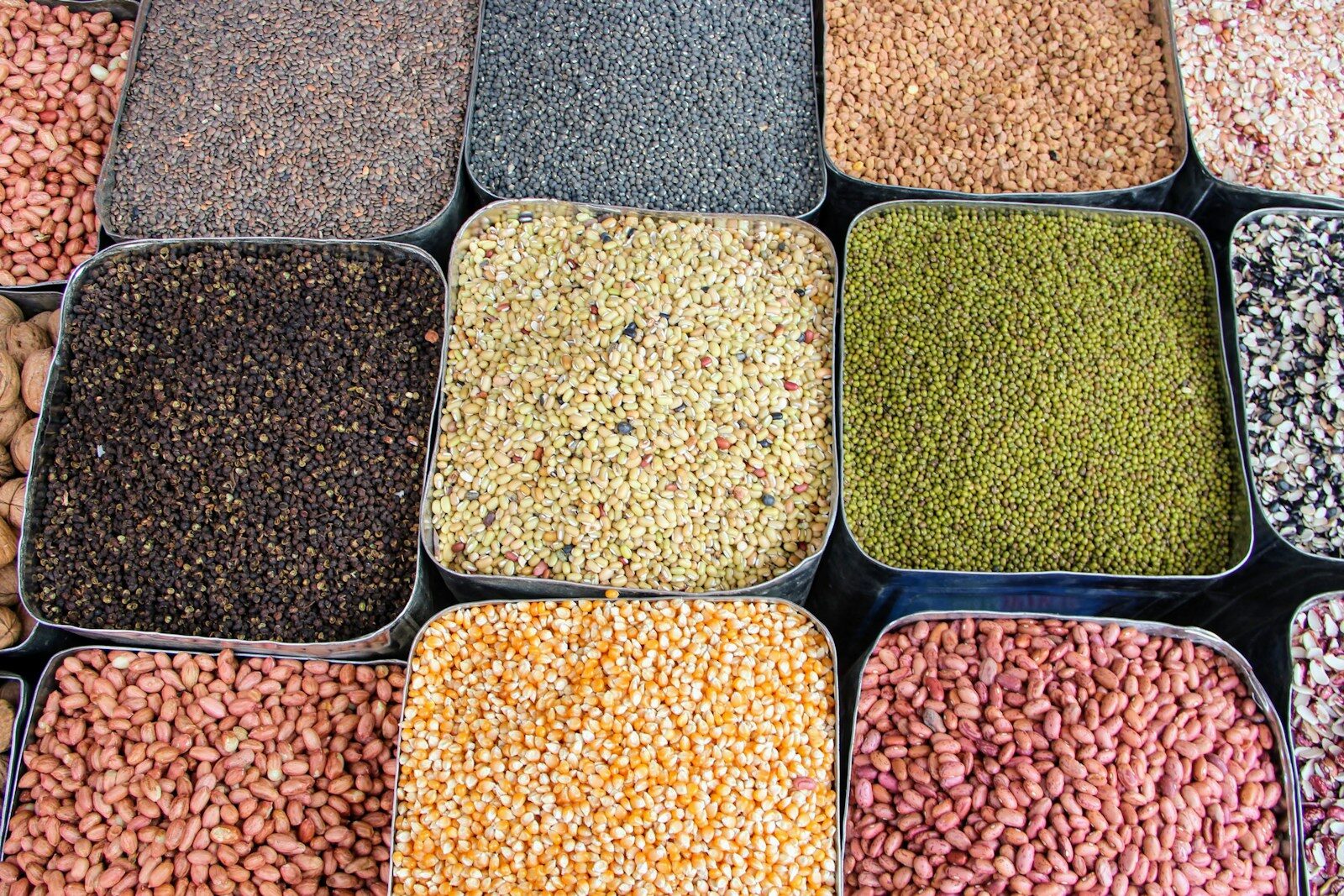
In Smart POS, every loose item is weighed, priced and billed at the till. The shopkeeper puts the rice on the scale, the weight goes onto the bill, and the price is worked out from the rate on the record — not from memory, not from a rate that changed last week. The customer sees the weight and the price together, and the shopkeeper does not have to decide either of them on the spot.
That record also keeps the stock true. Every kilo sold takes a kilo out of stock, so the sack count and the kilos sold finally agree. The shopkeeper can see, at any moment, how much rice is left in the sacks — not by guessing from the sacks, but from the sales themselves. And when the rate changes, it changes once, on the record, and every counter in the shop charges the new rate from that moment.
Shrinkage the record can see
Loose stock always shrinks a little. Grain spills, vegetables dry out, a little is given away to a regular customer, and a little is lost in weighing. That is the nature of loose goods, and no record can stop it. But a record can measure it — and what is measured can be managed.
In Smart POS, the shrinkage is visible: what arrived, what was sold, and what is left. If a sack of pulses loses more than it should, the owner can see it and ask why — the scale, the scoop, or the shelf. If vegetables dry out before they sell, the order can be smaller next time. The loss is no longer a mystery at stocktaking; it is a number on the record, small enough to manage and honest enough to act on.
With every kilo weighed and billed, every rate on the record, and every loss measured instead of guessed, a supermarket stops losing money at its loose counter. The sacks last as long as they should, the customers pay the right price, and the shop sells what it actually has — kilo by kilo, counted and paid for.
Smart POS is built for supermarkets in Pakistan: scale-wise billing, loose-item stock by weight, and records that keep every kilo counted.
See how Smart POS works for supermarkets — Smart POS for Supermarkets. Try free for 15 days, no credit card required.