
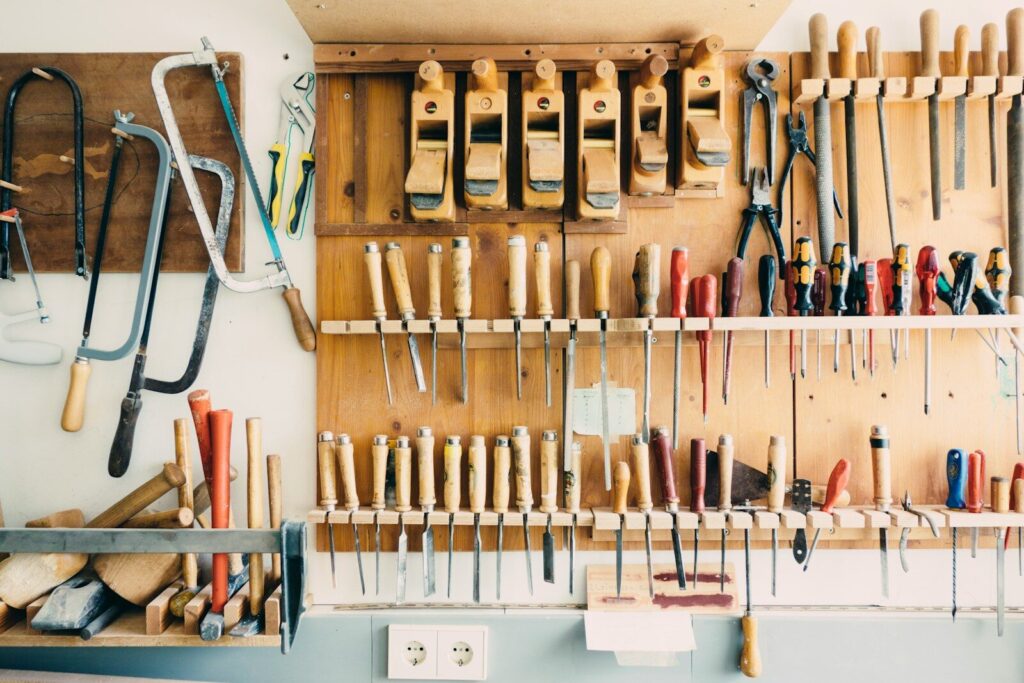
Every hardware shop owns tools it rarely sells. The heavy drill, the cutter, the pressure washer — expensive to buy, sitting on the shelf, waiting for the one customer a month who needs it. They are assets the shop has paid for, and they earn nothing while they sit there. But hired out, the same tools earn every week.
That is the hire problem. A customer wants a drill for a day, pays a deposit, takes it home — and then what? Without a record, the shop does not know who has it, when it is due back, or whether it came back damaged. A tool that is hired out and never returned is not a hire; it is a sale the shop never charged for.
The tool that earns twice

In Smart POS, a tool on hire is a tool that earns twice: once when it is hired, and again every time it goes out after that. The hire charge, the deposit, the customer — all of it is on the record, so the owner can see which tools earn their keep and which ones only take up shelf space. A drill that is hired out every week has paid for itself many times over.
That is the business hire creates. The shop does not need to sell the tool to earn from it — it needs to hire it, again and again, to customers who need it for a day and will never buy one. The record shows which tools those are, and the shop hires out more of them.
Hired out, tracked, returned

Every hire is on the record, with the customer, the date, and the due date — so the shop knows, at any moment, which tools are out, who has them, and when they should come back. In Smart POS, a tool that is overdue is flagged, and the customer is called — not weeks later, when the tool is forgotten, but the day it was due.
That tracking is what makes hire work. A tool that comes back on time can go out again the next day. A tool that comes back late is a tool that could not earn. And a tool that never comes back is a loss the record shows at once — with the customer’s name on it, and the deposit to cover it.
Damage, deposits and trust
Tools come back damaged. It is the nature of the business — a drill used hard, a blade worn down, a washer dropped. In Smart POS, the deposit is recorded against the hire, so damage is settled from the deposit, fairly and at once. The customer knows the terms before they take the tool, and the shop knows the deposit covers what it should.
That fairness is what keeps hire customers coming back. A customer who is charged fairly for damage they caused accepts it. A customer who is charged from memory argues — and never hires again. The record settles the argument before it starts, and the trust survives the damage.
With every hire on the record, every return tracked, and every deposit settling damage fairly, a hardware shop can turn its idle tools into steady income. The shelf stops holding dead assets, the tools earn every week, and the customers who hire keep coming back — because the shop remembers what it hired, and to whom.
Smart POS is built for hardware stores in Pakistan: hire records, deposits, and stock counts that keep every tool earning.
See how Smart POS works for hardware stores — Smart POS for Hardware Store. Try free for 15 days, no credit card required.