
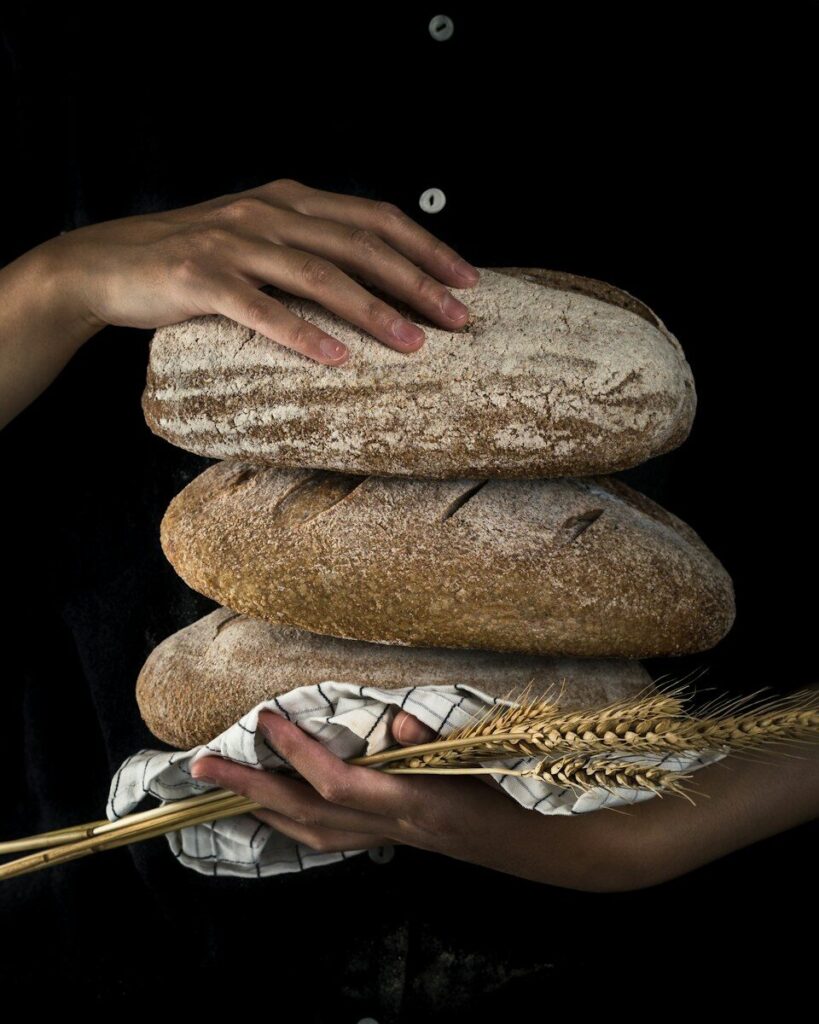
A bakery’s counter is only half its business. The other half never walks in: the cafe down the road that needs bread every morning, the shop that sells the bakery’s buns, the office canteen that orders cakes for its staff. They are customers the baker never sees — and orders the baker cannot afford to get wrong.
That is the wholesale problem. A cafe needs the same bread, the same quantity, every single day — and if it does not arrive, the cafe buys from someone else. The orders come by phone, the deliveries go out before dawn, and the bills are settled at the end of the month. Without a record, the bakery is baking on trust and billing on memory.
The same bread, a bigger customer
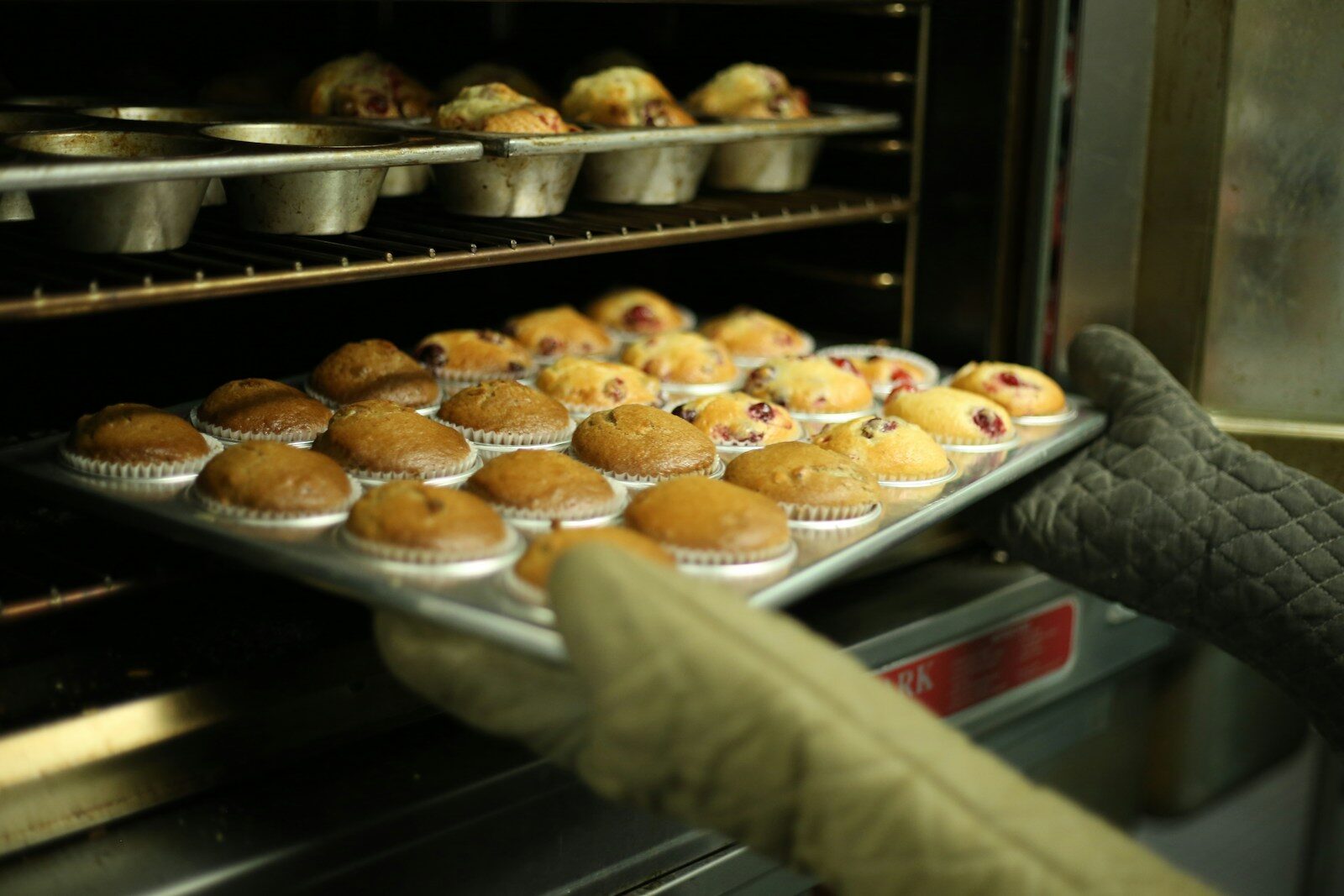
In Smart POS, a wholesale customer has a standing order: what they take, how much, and how often. The cafe’s daily bread, the shop’s weekly buns, the canteen’s Friday cakes — each one is on the record, so the bakery knows, before the ovens are lit, exactly what has to be baked for whom. The day starts with a list, not a round of phone calls.
That list is what makes wholesale work. A standing order is steady money — the same customer, the same order, every day — but only if it is never missed. The bakery that bakes to a list delivers every time. The bakery that bakes from memory misses a delivery, and a missed delivery is a customer lost.
Baked to order, not to guess
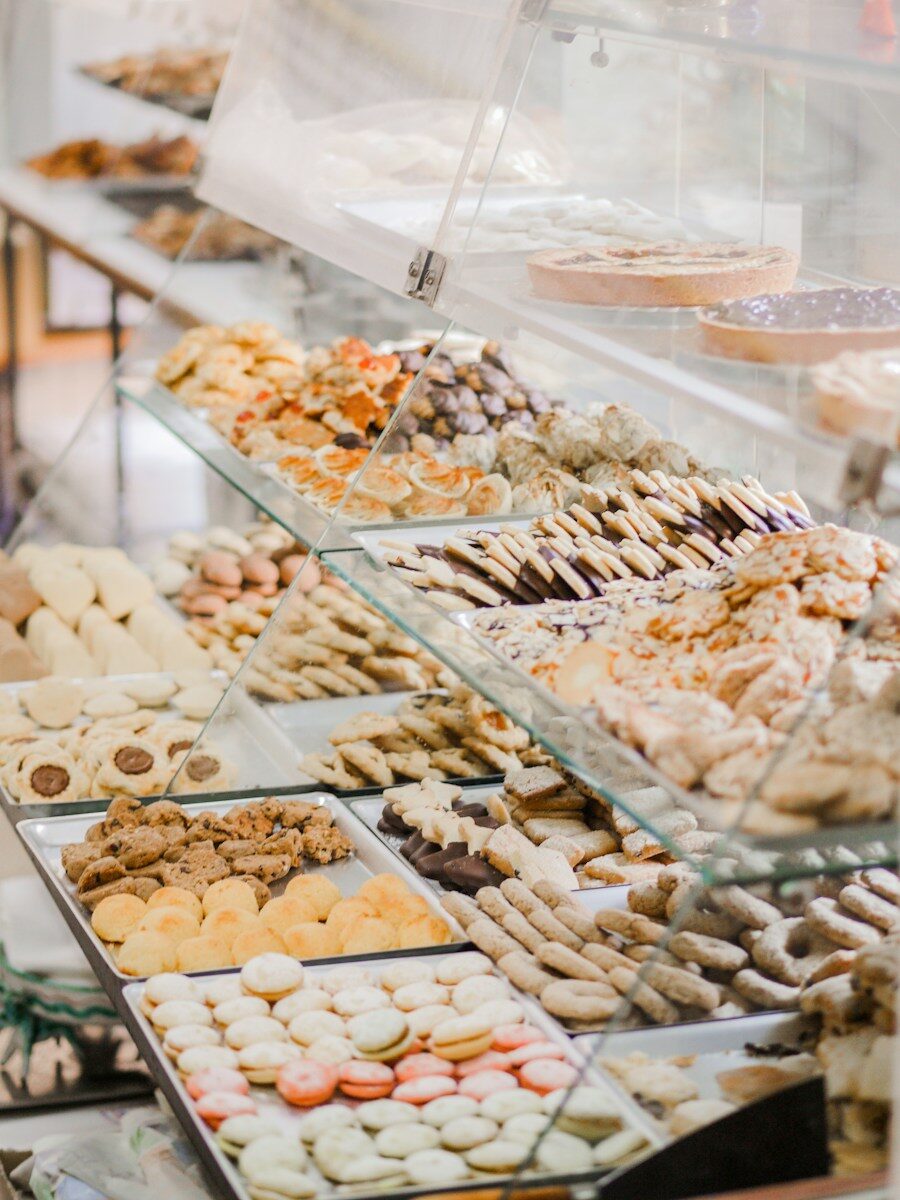
Wholesale orders are taken the day before, and baked to that order — no more, no less. In Smart POS, each order is recorded when it arrives, so the baker knows the exact quantities before the first tray goes in the oven. Nothing is baked twice because nobody knew it was already ordered, and nothing is missed because the order was written on a scrap of paper.
That precision also keeps the waste down. Bread baked for a wholesale customer who did not order it is bread that will not sell at the counter either — it is simply waste. A bakery that bakes to its orders wastes less, earns more, and still has the counter full for the customers who walk in.
The account that pays on time
Wholesale customers pay monthly, and monthly billing is where most bakeries lose money — not because the customer will not pay, but because the bill is wrong. In Smart POS, every delivery is recorded against the customer’s account, so the month-end bill is built from the deliveries themselves: what was sent, on which days, at what price. The customer can see every delivery on the bill, and pays without argument.
That is the difference between a wholesale customer who pays on time and one who always seems to be behind. A bill that is right is paid. A bill that is guessed at is questioned, delayed, and argued over — and the bakery waits for money it has already earned. The record turns a monthly chase into a monthly payment.
With standing orders that start the day, baking built on real orders, and monthly bills that are right the first time, a bakery can supply cafes and shops as reliably as it serves its own counter. The ovens stay busy, the deliveries go out on time, and the money comes in — every month, without the chase.
Smart POS is built for bakeries in Pakistan: wholesale orders, customer accounts, and daily records that keep the ovens busy.
See how Smart POS works for bakeries — Smart POS for Bakery. Try free for 15 days, no credit card required.