
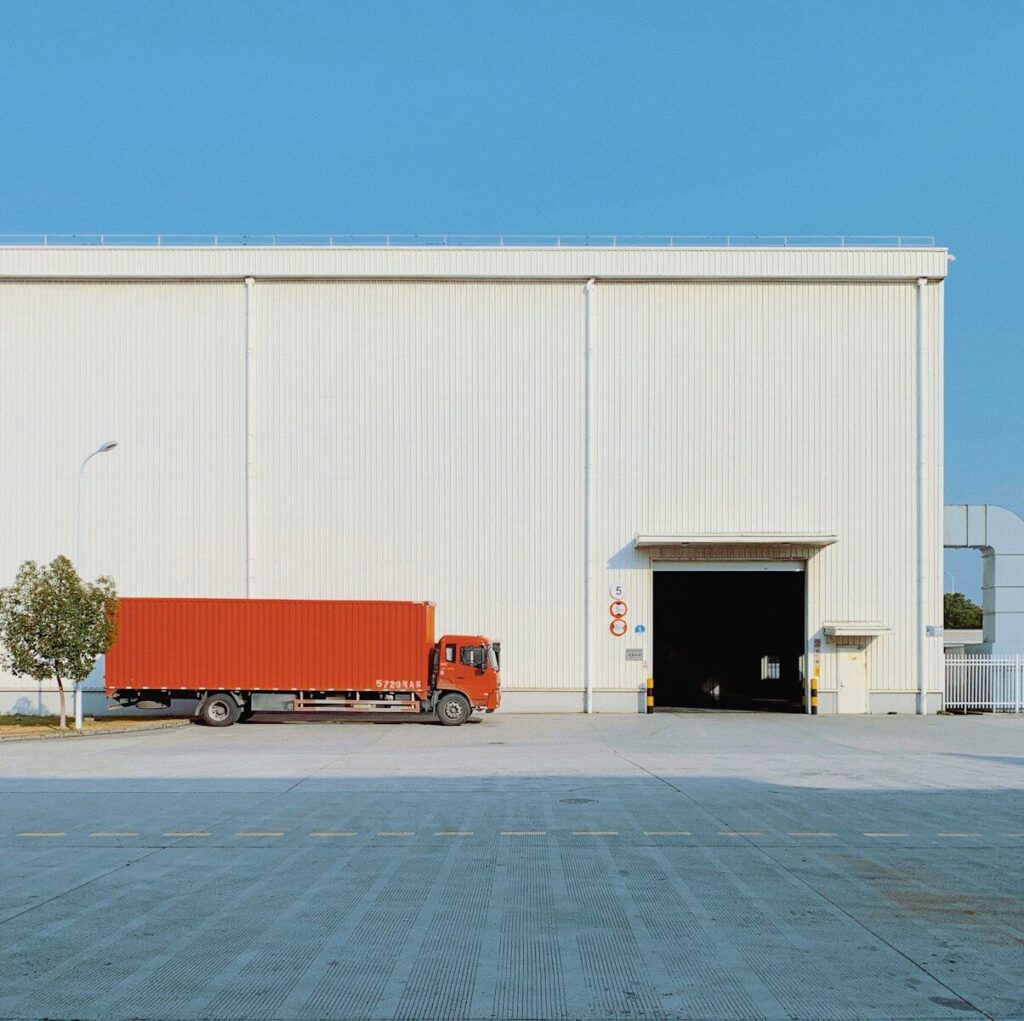
A supermarket’s shelves are only as full as its deliveries are honest. Every morning, trucks arrive at the back door with cartons of rice, oil, biscuits and soap — and every carton that is short, damaged or wrong is money the shop has already paid for. The trouble is that most shops only discover the problem days later, when the shelf is empty and the customer is asking for something that should have been there.
That is the receiving problem. The delivery is checked at the till, in a hurry, or not checked at all — and by the time the shortage is found, the supplier’s truck is long gone and the claim is a memory. The shop absorbs the loss quietly, orders again, and the same thing happens next week. A supermarket that does not check what arrives is paying for stock it never received.
The delivery that arrives short
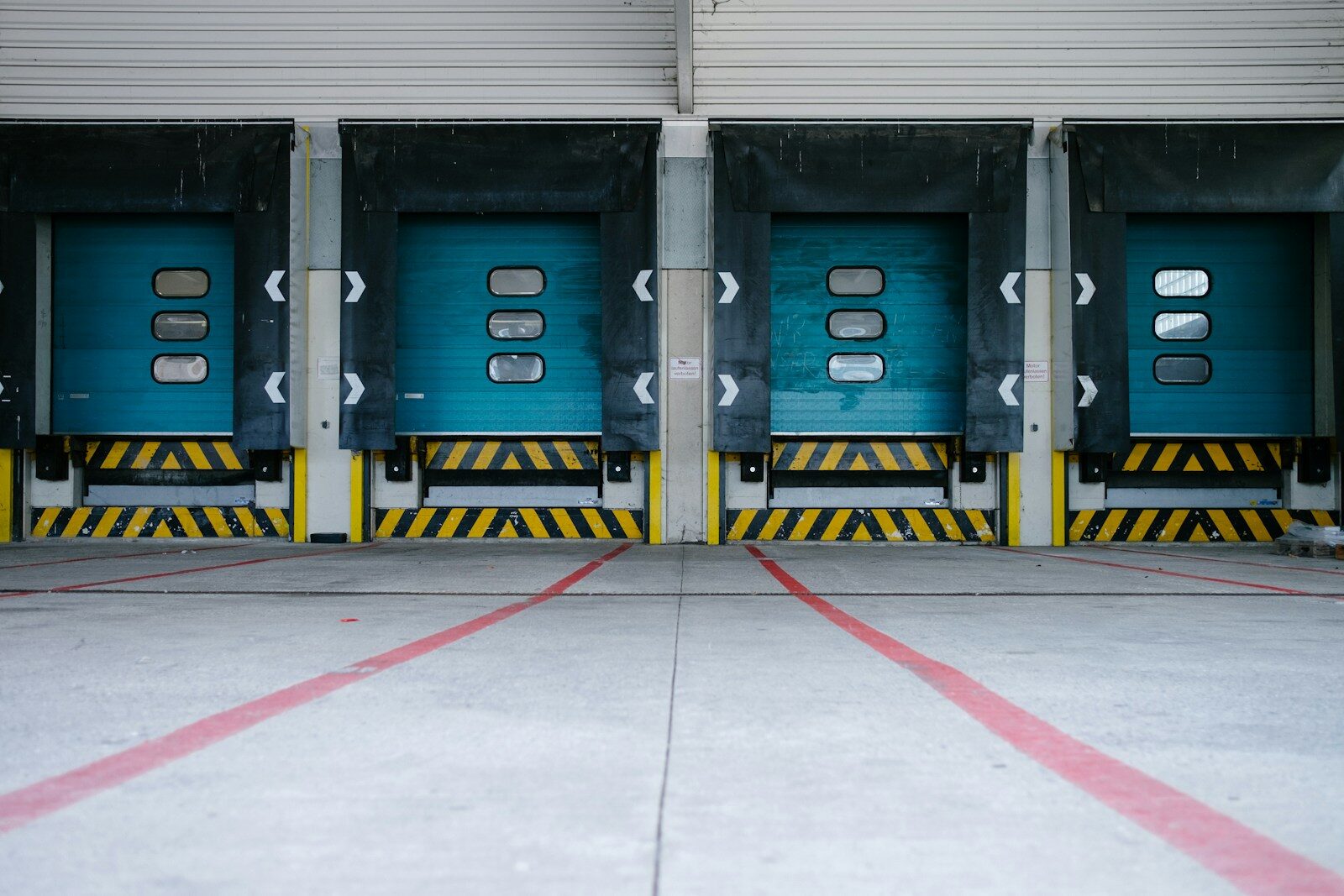
A short delivery is the easiest loss to miss and the hardest to prove later. The order said twenty cartons of cooking oil. Nineteen arrived. Nobody counted at the back door, so nobody knows — until the shelf empties a day early and the numbers do not add up. The supplier says twenty were sent. The shop says nineteen arrived. There is no record, so there is no answer, and the missing carton is simply gone.
That gap matters because it is not one carton. It is one carton on every delivery, from every supplier, week after week — and across a year, it is a real sum, paid for stock the shop never sold. A supermarket that counts its deliveries counts its money. A supermarket that does not is paying a quiet tax to every truck that arrives.
Checked at the back door, not at the till

In Smart POS, every delivery is checked against its purchase order before it reaches the shelf. What was ordered, what arrived, and what is short — all of it is recorded at the back door, while the driver is still there. If a carton is missing, the shortage is on the record at once, and the supplier is told the same day, with the numbers to prove it.
That record also keeps the storeroom honest. Stock that is received goes onto the shelves in the system, so the shelf count is true from the moment the delivery arrives. The shopkeeper does not have to guess what is in the back, and the owner does not discover, at stocktaking, that the shelves and the system have been disagreeing for weeks.
Damage, returns and the supplier’s account
Damaged stock is the other quiet loss. A carton crushed in transit, a tin dented, a packet torn — if it is put on the shelf, it will not sell; if it is thrown away without a record, the shop pays for it. In Smart POS, damaged items are recorded against the delivery and returned to the supplier, with the claim on the supplier’s account, not lost in the shop’s own costs.
Over time, that record shows which suppliers deliver cleanly and which ones do not. A supplier who always sends short or damaged goods is visible in the numbers, and the owner can talk to them with evidence — or buy from someone else. The supplier’s account becomes a history of how they actually deliver, not a feeling about how they usually do.
With every delivery counted at the back door, every shortage claimed the same day, and every damaged item on the supplier’s account, a supermarket stops paying for stock it never received. The shelves stay full, the suppliers stay honest, and the money the shop used to lose quietly stays where it belongs — in the business.
Smart POS is built for supermarkets in Pakistan: goods-received records, purchase orders that match deliveries, and supplier accounts that keep every carton counted.
See how Smart POS works for supermarkets — Smart POS for Supermarkets. Try free for 15 days, no credit card required.