
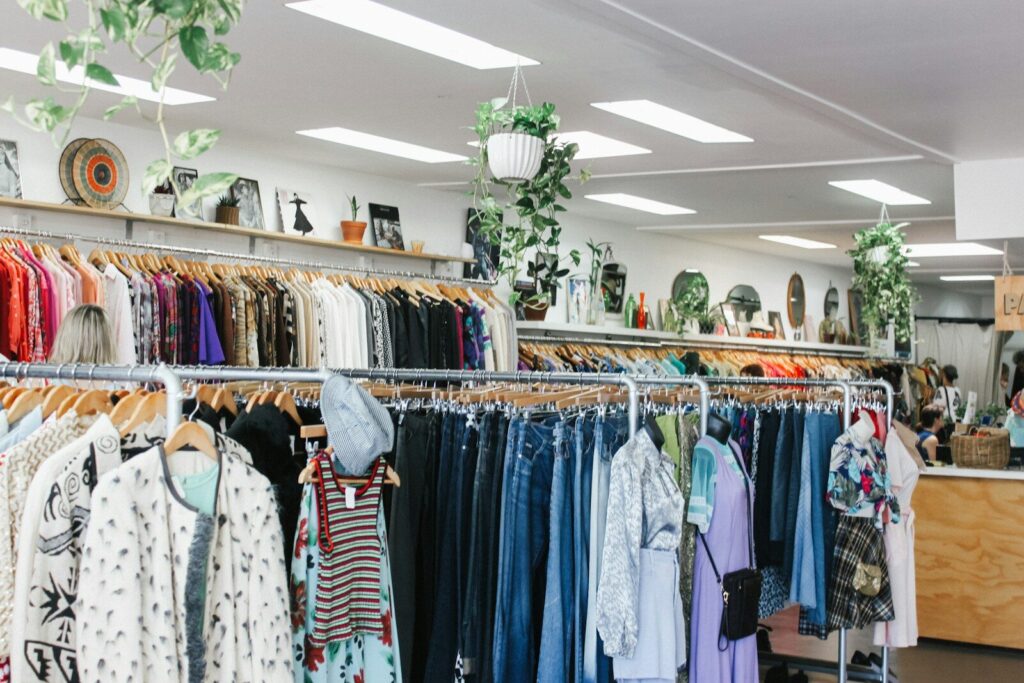
A multi-brand outlet is a shop full of choices. Ten brands of shoes, eight brands of clothes, a wall of bags from different makers — all under one roof, all competing for the same shelf space and the same customers. To a visitor, it looks like abundance. To the owner, it is a question that never goes away: which of these brands is actually earning its place?
Some brands sell steadily, month after month. Others sit on the shelf, looking good, selling rarely. A few sell a lot but earn very little, because their price is low and their cost is high. Without a record that separates one brand from another, the owner is buying on habit — reordering the brands that are familiar, not the brands that earn.
Every sale, against its brand
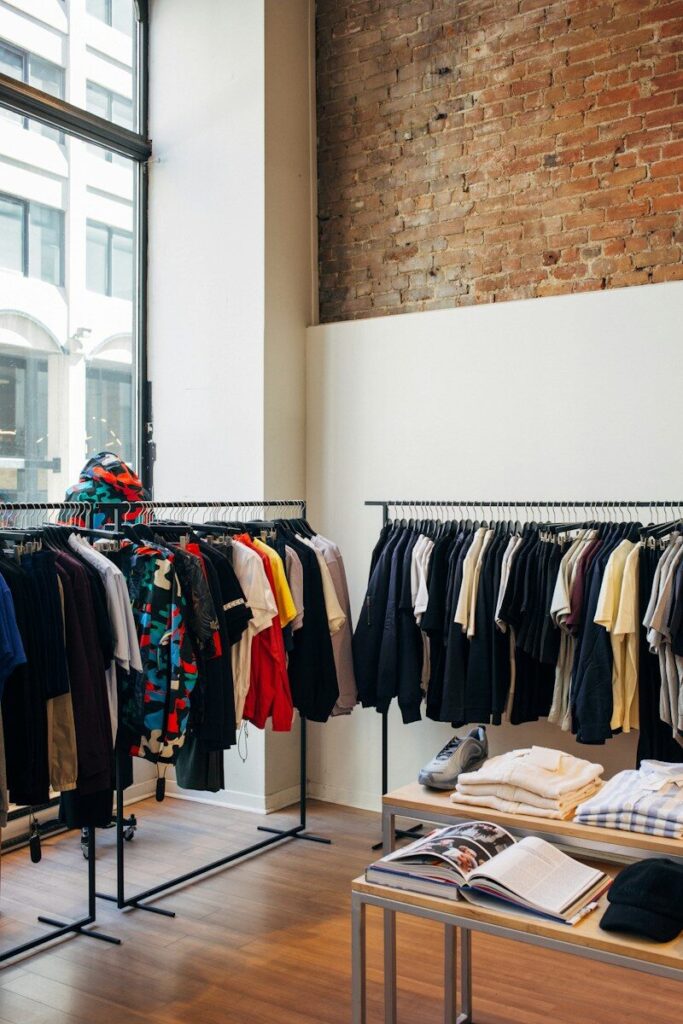
Brand-wise billing in Smart POS records every sale against its brand. When a shirt sells, the sale is counted for its brand, not just for the shop as a whole. When a pair of shoes is returned, the return is counted against its brand too. No brand’s sales hide inside another’s, and no brand’s failures are covered up by another brand’s success.
That separation is the whole point of a multi-brand shop. The owner is not running one business — they are running a dozen small ones, side by side, and each one needs to be judged on its own numbers. A brand that sells well deserves more shelf space. A brand that does not deserves a smaller shelf, or none at all.
The shelf that earns its rent
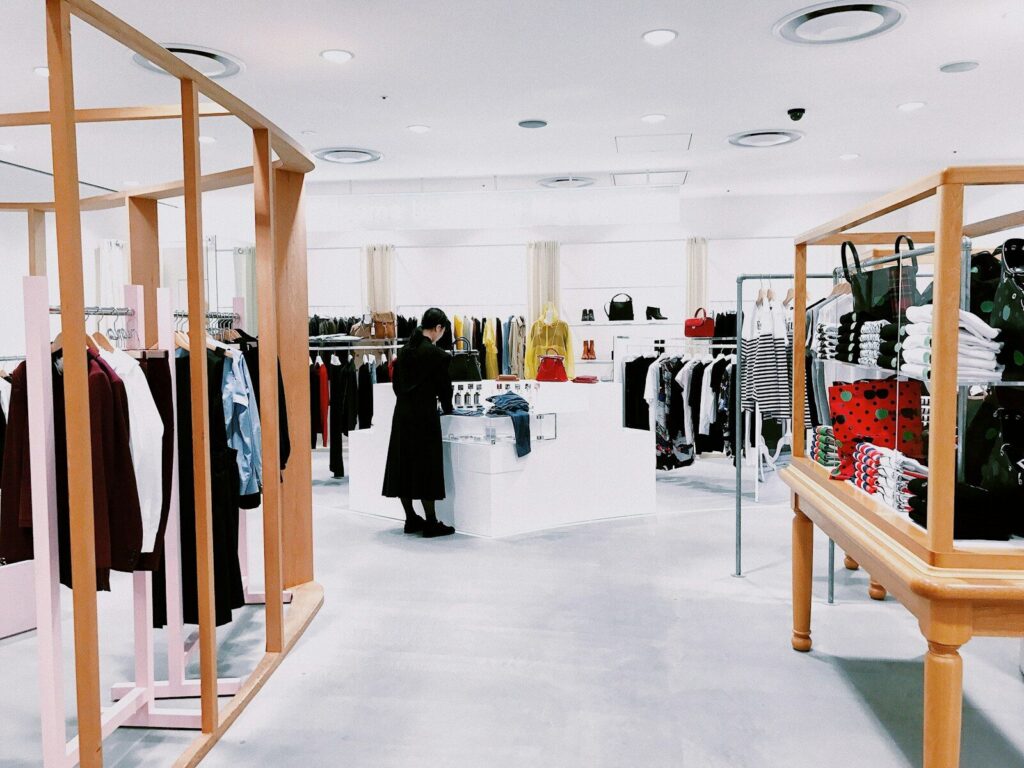
Brand-wise reports show what sells, what sits, and what to reorder. The owner can see, brand by brand, what moved this month, what is gathering dust, and what is running low. Shelf space is the most expensive thing in the shop — every inch of it should be earning, and the report shows which inches are.
That changes how the shop is arranged. The brand that sells is given the front shelf, the good lighting, and the space it needs. The brand that sits is moved to the back, or cleared to make room for something better. The shop stops looking the same all year, and starts changing with what customers actually buy.
The brand to back next season
Buying decisions in Smart POS are made from sales evidence, not from whoever visited last. A supplier who visits often, brings samples, and talks well can be very persuasive — but the report is not impressed by a visit. It shows what the brand sold last season, what it earned, and whether it is worth backing again.
That is how a multi-brand outlet stays ahead. The brands that earn are ordered early, in the right quantities, before the season starts. The brands that disappointed are ordered less, or not at all. The owner goes into the buying season with evidence, not with a feeling — and the shelves fill with the brands customers actually want.
With every sale counted by brand, every shelf judged by what it earns, and every buying decision backed by evidence, a multi-brand outlet can give each brand exactly the space it deserves — and no more.
Smart POS is built for multi-brand outlets in Pakistan: brand-wise billing, brand-wise reports, and stock decisions made from real sales.
See how Smart POS works for multi-brand outlets — Smart POS for Multi-Brands. Try free for 15 days, no credit card required.