
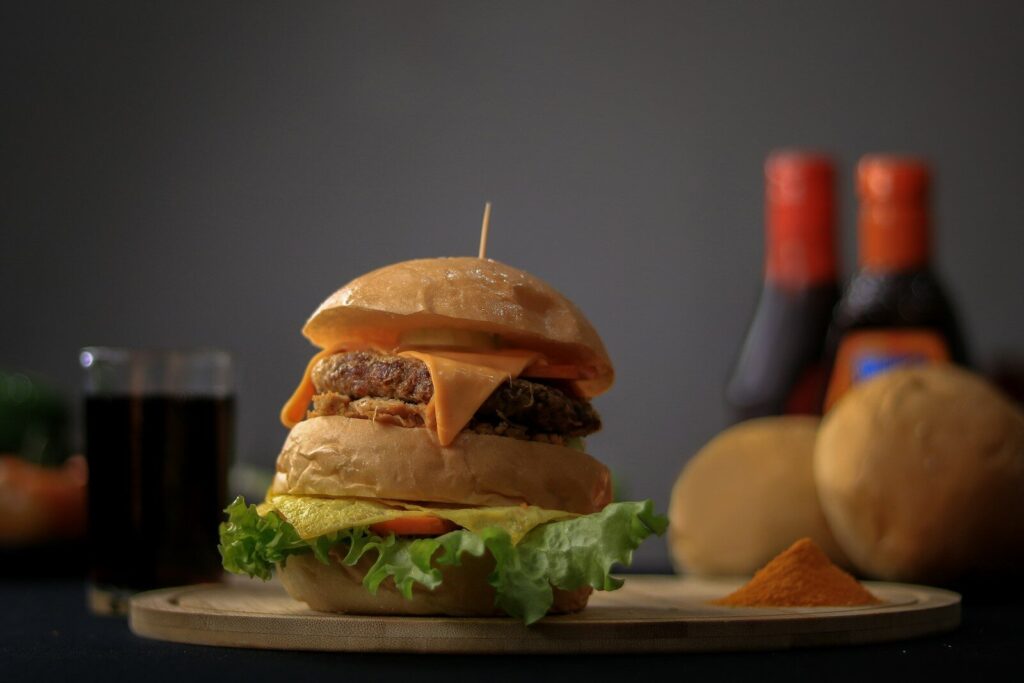
A fast food shop lives on its combos. A burger, fries and a drink, sold together at one price, is quicker to serve than three separate items — and customers love it. So the shop adds more combos: a family deal, a student deal, a weekend deal. The queue grows, the counter is busy, and the till is ringing all day.
Then the month ends, and the profit is not what the queue promised. One combo sold hundreds of times — and lost money on every sale. Another deal brought in customers who bought nothing else. The shop was busy, but the busyness was not paying. A combo that sells fast can still lose money, if nobody checks what it costs.
The combo, billed as one
In Smart POS, a combo is recorded as a single item, not three loose ones. The burger, the fries and the drink go out together, on one line, at the deal price. The stock drops for all three, the sale is recorded once, and the counter moves fast — because the staff are not adding three items to every bill while the queue grows behind them.
That single line also keeps the record clean. The shop can see how many combos were sold, on which days, and at what price — without digging through hundreds of bills to work out which fries belonged to which burger. A deal that is billed as one is a deal that can be measured, and a deal that can be measured can be managed.
The deal that earns its place

Deal-wise reports show which combos earn and which only look busy. One combo may sell well and earn well — it brings customers in, and the items in it cost less than the price. Another may sell just as well and earn nothing, because the items inside it cost almost as much as the deal price. The report does not care how popular a combo felt. It shows what it earned.
That is how a fast food shop learns to deal well. The combos that earn are kept, promoted, and given the best place on the menu board. The combos that only look busy are changed — a different drink, a smaller portion, a better price — or dropped altogether. Over a few weeks, the menu stops being a list of deals that sounded good, and becomes a list of deals that actually make money.
The offer that ends when it should
A deal also needs an end date. Promotions in Smart POS carry their own dates, so a weekend deal is not still running on Tuesday because nobody remembered to stop it. The counter cannot give a deal that has expired, and the owner does not discover, days later, that an old offer was still being served at the old price.
That matters because a deal that never ends is not a deal — it is a permanent price cut the owner never agreed to. With start and end dates on every offer, the shop can run a deal hard for a weekend, stop it cleanly on Monday, look at the report, and decide what to run next.
With every combo billed as one, every deal measured by what it earned, and every offer ending when it should, a fast food shop can keep its queue moving — and keep the money its queue promises.
Smart POS is built for fast food in Pakistan: combo billing, deal-wise reports, and promotions that end on time.
See how Smart POS works for fast food — Smart POS for Fast Food. Try free for 15 days, no credit card required.