
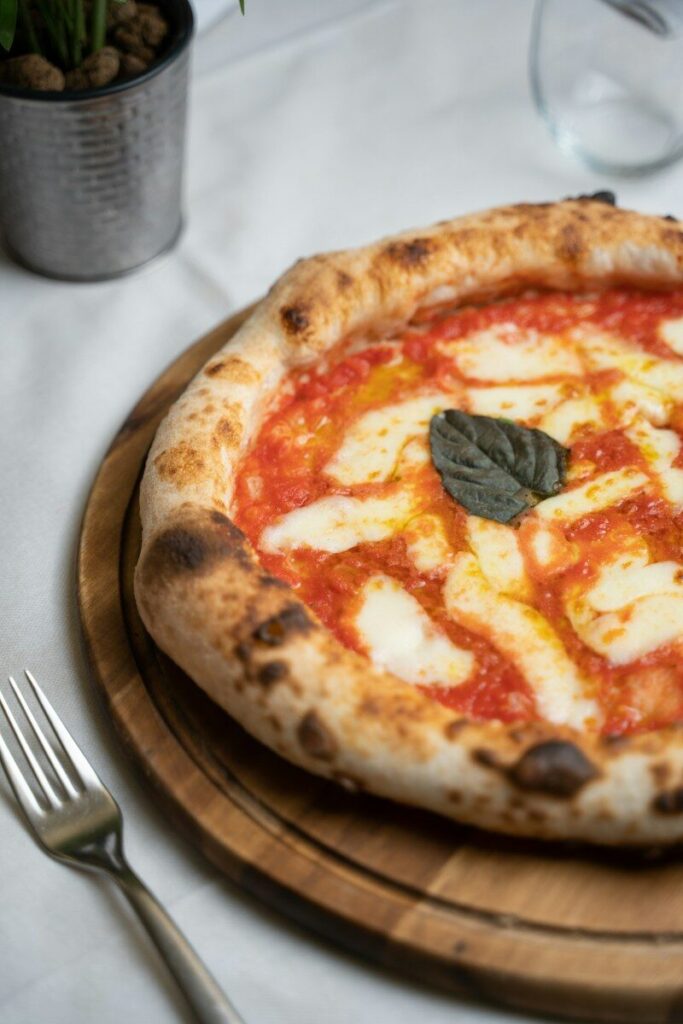
A pizza restaurant on a Friday night is a happy kind of chaos. Every table is full, families are sharing large pizzas, children are asking for extra cheese, and the kitchen is working as fast as it can. It is the best night of the week — and the night when a billing mistake is most likely.
A table orders a pizza, then adds another one halfway through the meal. Another table asks for a drink, then changes its mind. A third table wants its bill split between two families. If those orders are not tied to the right table, the kitchen cooks the wrong pizza for the wrong people, and the counter bills the wrong table for food it never ate.
One table, one bill
Table-wise billing in Smart POS keeps every order with its table. When a table orders, the order goes onto that table’s bill — and when the same table orders again, the new items join the same bill. However many times the guests change their minds, however many pizzas they add, the record stays with the right table.
That sounds simple, and it is — but it is the difference between a calm dining room and a confused one. The waiter does not have to remember which table ordered what. The kitchen does not have to guess. And at the end of the meal, the bill the table receives is the food that table actually ate, nothing more and nothing less.
The kitchen ticket that matches the table
Every order also becomes a kitchen ticket, and the ticket carries the table number. The kitchen cooks what the ticket says, for the table the ticket names. Nothing is cooked for the wrong table, and nothing is served twice because two tickets described the same order in different words.
When a table adds a pizza mid-meal, the new ticket goes to the kitchen with the same table number, so the kitchen knows it belongs to a table that is already eating — not a new table, and not a delivery order. The pizza arrives hot, at the right table, while the family is still hungry for it. That is a small thing, and it is the whole business: hot food, right table, right time.
Split and combine, without the argument
At the end of the meal, the bill has to be divided the way the table asks. Two families shared a table and want to pay separately. One person wants to pay for the drinks, another for the pizzas. In Smart POS, the bill is split and combined from the same record — the items are divided, not guessed, and each part adds up to the whole.
Nobody at the table has to do the arithmetic, and nobody at the counter has to rewrite the bill by hand. The split is recorded, so if anyone asks later what they paid for, the answer is there. A meal that ends with a fair, clear bill is a meal the family will come back for.
With one bill per table, kitchen tickets that match, and splits that add up, a pizza restaurant can fill its dining room on the busiest night of the week — and every table leaves happy, having paid for exactly what it ate.
Smart POS is built for pizza shops in Pakistan: table-wise billing, kitchen tickets, and split and combine billing that keeps dine-in calm and correct.
See how Smart POS works for pizza shops — Smart POS for Pizza. Try free for 15 days, no credit card required.