
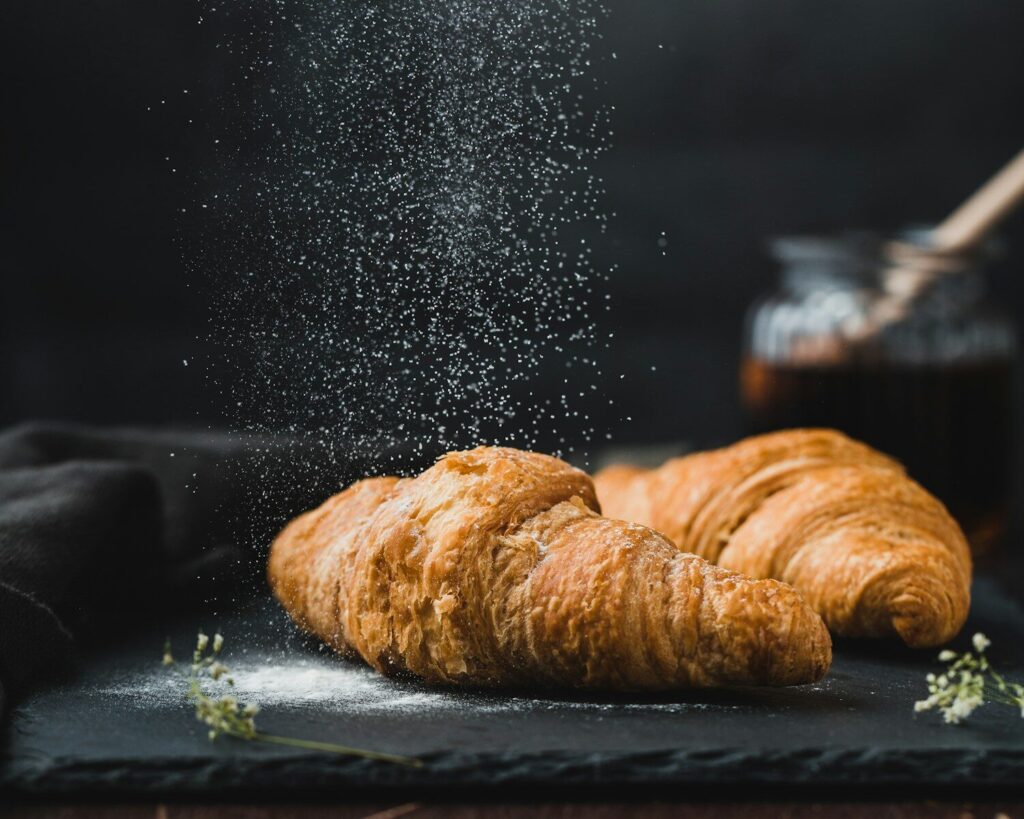
A bakery’s day is decided in the morning, before the first customer walks in. How many loaves to bake? How many buns, how many cakes? Bake too much, and the evening tray is waste — bread that will never be sold, thrown away at closing. Bake too little, and customers leave empty-handed, and buy tomorrow’s bread somewhere else.
Most bakeries decide by feel. The baker looks at yesterday, remembers last week, and guesses. Some days the guess is right. Many days it is not — and the bakery pays for the guess twice: once in the waste it throws away, and once in the customers it turns away.
Yesterday’s sales set today’s batch
Daily sales records in Smart POS show what sold, by item and by hour, instead of a guess. The owner can see that the morning buns sell out by ten, that the evening cakes sell slowly after six, and that Fridays need more of everything. Today’s batch is set from yesterday’s numbers, not from a feeling about yesterday.
That changes the morning completely. The baker knows how much to make, and when it needs to be ready. The shop opens with the right amount of the right items, and the day runs on evidence instead of hope. Over a week, the difference is visible on the shelves — and in the waste bin, which is emptier than it used to be.
The tray that is counted, not guessed
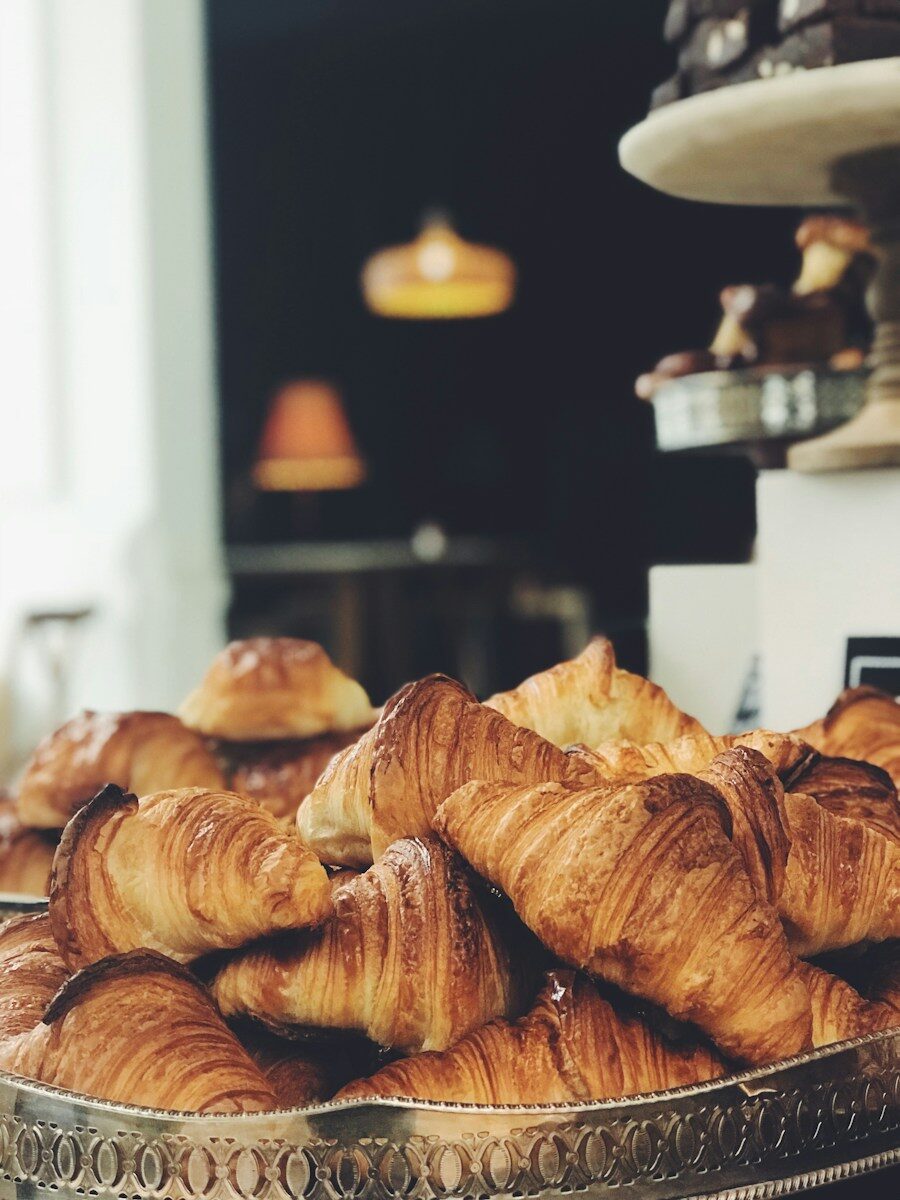
Fresh stock in Smart POS is recorded daily, so waste is visible. What was baked, what was sold, and what is left at closing — all of it is on the record. The owner can see, item by item, what is being wasted, and how much it is costing. A tray that is thrown away every evening stops being a habit and becomes a number, and a number can be fixed.
That record also keeps the counter honest. Fresh items are sold first, older stock is not left to go stale at the back, and nothing is baked twice because nobody knew it was already made. The bakery’s shelves stay fresh, because the record shows what is fresh and what is not.
The item that always runs out first
Every bakery has one item that always runs out first — the bun everyone wants, the cake that sells out by noon. Low-stock alerts in Smart POS flag it before the morning rush, not during it. The baker sees the warning while there is still time to bake more, instead of discovering the shortage when a customer is already asking for it.
That is the difference between a bakery that disappoints its best customers and one that never does. The item people come for is there when they come for it, because the record warned the baker in time. And the items that never sell out are baked in smaller batches, so the evening waste shrinks a little more each week.
With yesterday’s sales setting today’s batch, every tray counted, and the fast sellers flagged before the rush, a bakery can bake to demand — enough for every customer, and not a loaf more than it needs.
Smart POS is built for bakeries in Pakistan: daily sales records, fresh stock counts, and low-stock alerts that set the right batch, every morning.
See how Smart POS works for bakeries — Smart POS for Bakery. Try free for 15 days, no credit card required.