
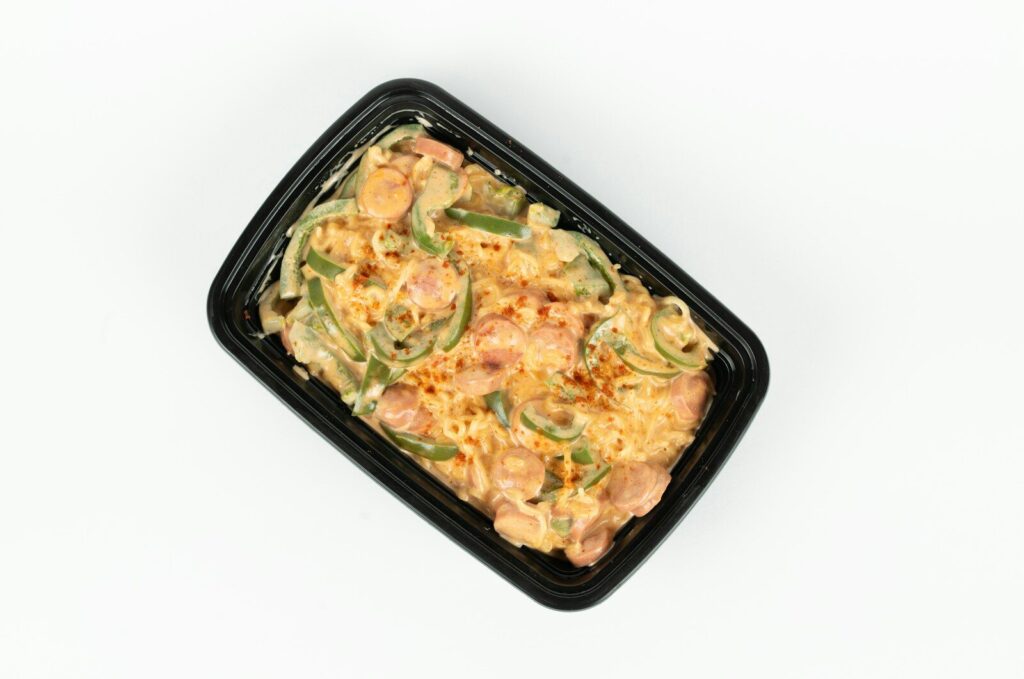
A restaurant at dinner time is three businesses at once. Inside, tables are full and the kitchen is working through dine-in orders. At the counter, customers are collecting takeaway. On the phone, more orders are coming in for delivery. It is the busiest, most profitable hour of the day — and the easiest hour to get something wrong.
One wrong order is all it takes. A takeaway parcel goes out with the wrong item. A delivery rider leaves with an order meant for another address. A phone order is written on a scrap of paper, and the paper is lost. The customer who waited forty minutes for the wrong food does not complain about the kitchen — they simply order from somewhere else next time.
The order as the customer said it
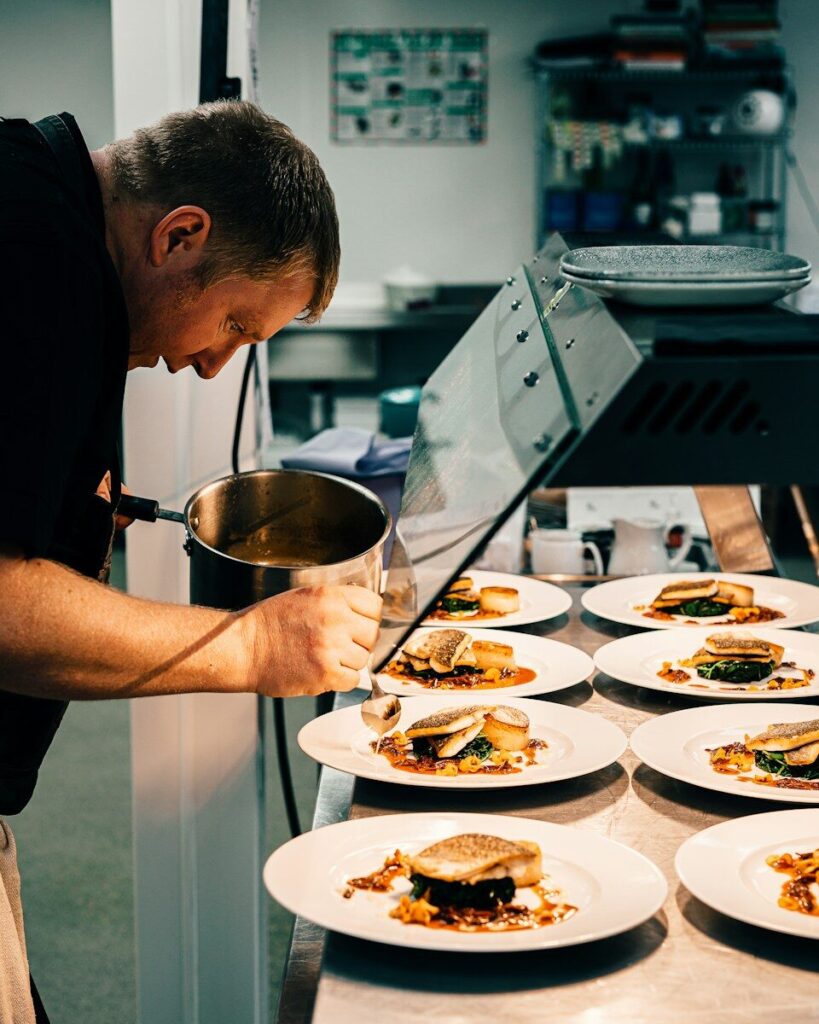
Phone and counter orders in Smart POS are recorded in full, the moment they are taken. The items, the quantities, any special request — all of it goes onto the same record as a dine-in order, not onto paper that can be lost or misread. When the customer says no onions, or extra spicy, or half rice, that is what the kitchen sees.
That matters because a phone order is the easiest to get wrong and the hardest to fix. The customer is not standing in front of the counter to correct a mistake. The record has to be right the first time, and it has to stay right until the food leaves the shop. With every order written down properly, the restaurant stops relying on memory at its busiest hour.
Kitchen, counter and rider on the same ticket

The same record follows the order through the restaurant. The kitchen sees the ticket and cooks what it says — nothing twice, nothing forgotten. The counter sees the same ticket and packs what the kitchen cooked. The rider collects against the same ticket, and the customer receives what they ordered.
When a dine-in table adds a dish, or a takeaway customer changes their mind, the change goes onto the same ticket, so the kitchen, the counter and the rider are never working from different versions of the same order. A delivery that leaves the shop has already been checked against its ticket, and a takeaway parcel is packed from its ticket, not from a shouted instruction across a noisy kitchen.
The address and the payment, with the order
A delivery order is more than food — it is an address, a phone number, and a payment. In Smart POS, all of it stays with the order. The rider knows exactly where to go, and the counter knows whether the order is paid, cash on delivery, or still to be collected. Nothing is left to a note on the back of a bill, and nothing depends on the rider remembering which house it was.
That record also helps the next time the same customer calls. Their address is already there. Their usual order is already there. The restaurant can take the order in half the time, send it out correctly, and give the customer a reason to call again.
With every order recorded in full, every ticket shared by kitchen, counter and rider, and every delivery carrying its own address and payment, a restaurant can run dine-in, takeaway and delivery side by side — and the customer who ordered at home gets exactly what they asked for, on time.
Smart POS is built for restaurants in Pakistan: one record for every order, kitchen tickets that match, and delivery records that survive the rush.
See how Smart POS works for restaurants — Smart POS for Restaurant. Try free for 15 days, no credit card required.