

A hardware shop in Pakistan does not just sell to walk-in customers. Its best customers are contractors — builders, plumbers, electricians — who take material on credit all month and settle at the end of it. A contractor with a list of forty items, on a site with a deadline, does not want to pay for each bag of cement as he takes it. He wants an account, and he wants the shop to remember what he took.
That is the contractor problem. The shop’s biggest sales are the ones that are not paid for on the day — and when those sales live in a notebook, they leak. A delivery recorded twice, a payment recorded against the wrong contractor, a due forgotten until the contractor has moved on to another shop. At the end of the month, the owner cannot say with confidence who owes what, and the money that should be the month’s profit is sitting in notebooks instead of in the till.
Every contractor, his own ledger
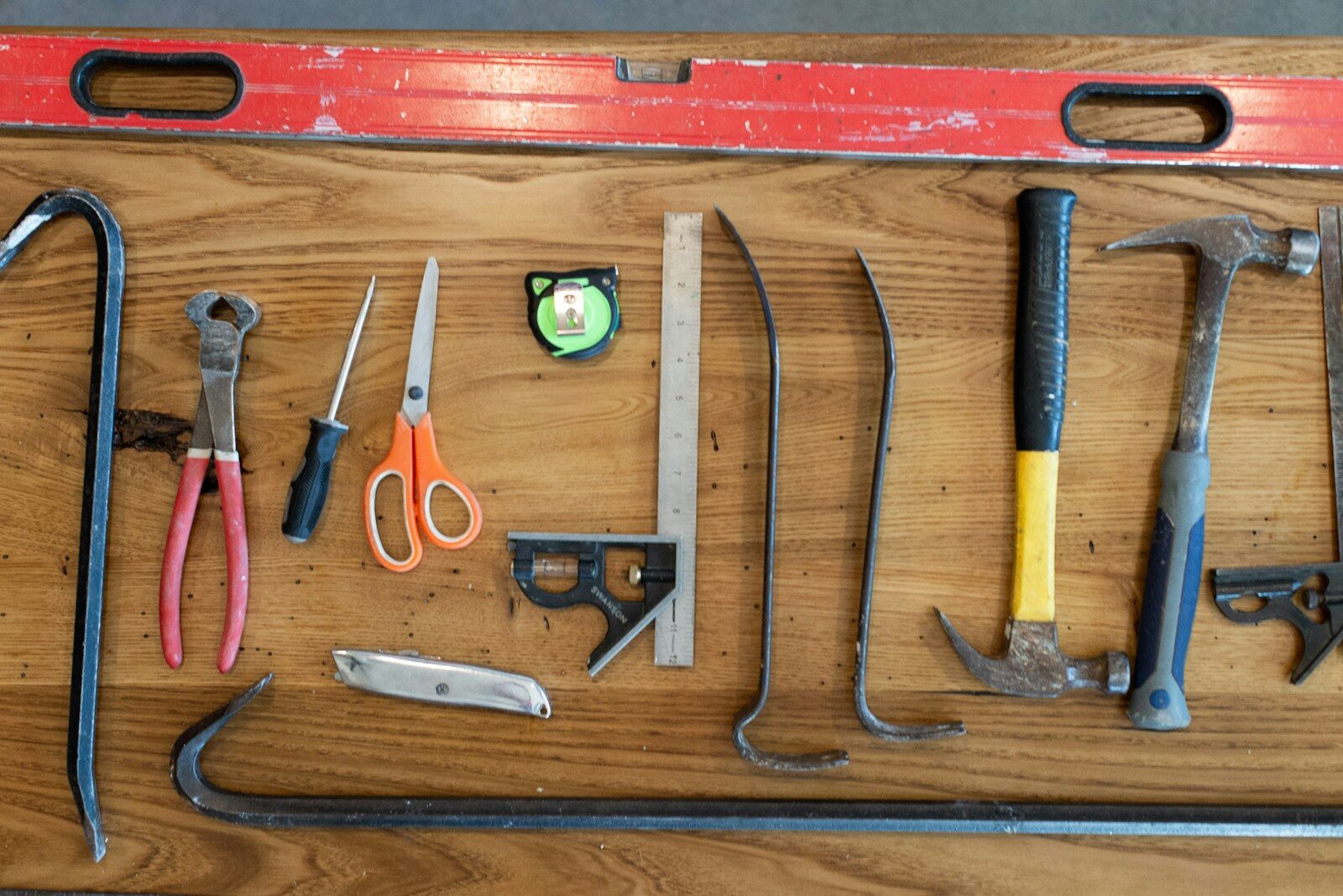
Smart POS keeps customer records and credit sales with the sale itself, so every contractor has a ledger: what was taken, when, at what price, what was paid, and what is still due. When a contractor sends his man to collect material, the items go on the contractor’s account — in the right units, at the right prices — and the record is there when the month ends.
That visibility is what turns contractor credit from a risk into the shop’s best business. An owner who can see his dues can offer credit with confidence. An owner who cannot is either too strict, and loses the contractor to the shop down the road, or too loose, and loses the money.
The month-end settlement, without the argument

Month-end is where the notebook always fails. The contractor comes to settle, and the two sides disagree: the shop says one figure, the contractor says another, and the argument is settled by whoever shouts loudest — or by the shop writing off money it was owed. With a ledger, there is nothing to argue about. The record shows every item, every delivery, every payment, and the balance is a calculation, not a negotiation.
That record also protects the relationship. A contractor who can see his own account trusts the shop, because the shop’s numbers are his numbers. He keeps coming back, and he keeps bringing the next project’s list to the same counter.
Stock that keeps up with the contractors
Contractor credit only works if the stock behind it is counted. Item-wise billing and stock control in Smart POS keep thousands of items recorded — each with its own unit and price — so the counter knows what is actually available instead of promising stock that is not there. Low stock alerts warn before a fast-moving item runs out, so the contractor who arrives with a list is never told that the thing he needs most is gone.
With item-wise billing, supplier records, and contractor ledgers in one system, a hardware shop stops depending on the owner’s memory. The counter is fast, the prices are right, the stock is counted, and the credit that carries the shop’s best customers is visible, every day of the month.
Smart POS is built for hardware and sanitary-ware shops in Pakistan: item-wise billing, supplier records, and stock control, in one cloud system that keeps up with the counter.
See how Smart POS works for hardware stores — Smart POS for Hardware Store. Try free for 15 days, no credit card required.