
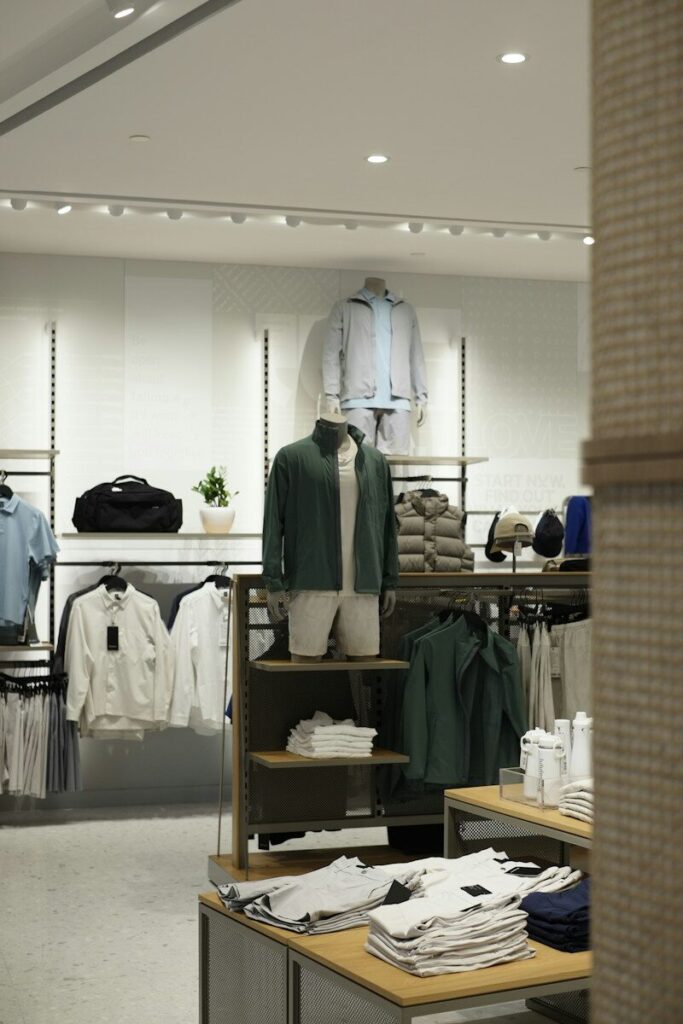
A multi-brand outlet in Pakistan does not have one supplier. It has many — one for each brand, sometimes two, each with its own prices, its own terms, and its own account. The outlet orders from all of them, sells from all of them, and owes all of them, all at the same time. When those accounts are kept together as one pile, the owner cannot answer the simplest question: who do we owe, for which brand, and how much?
That is the supplier problem in a multi-brand store. The outlet looks busy, the till looks full, but the money owed to suppliers is spread across brands, and a payment made to the wrong account — or a delivery paid for twice — is a dispute that takes weeks to untangle. Without brand-wise records, the owner finds out too late, when a supplier stops delivering.
Every brand, its own supplier account

Brand-wise stock in Smart POS tracks each brand separately, and supplier accounts sit with it: what was bought, from whom, at what price, and what is still owed — brand by brand. When a brand’s stock arrives, it is recorded against that brand’s supplier. When the supplier is paid, the payment is recorded against the same account. The owner can see, at any moment, what is owed to each supplier, for which brand, and since when.
That changes the conversation with suppliers completely. When a brand’s sales and purchases are recorded properly, the owner can show the supplier exactly what was delivered and what was paid, instead of arguing from memory. Orders become evidence-based, and the outlet stops over-ordering brands that do not move — and stops paying for stock it did not receive.
The reorder that goes to the right place

Brand-wise billing at the counter protects the same thing from the other side. When a product is scanned, the right brand, at the right price, goes on the bill — so the reports for each brand stay right, and the reorder for each brand goes to the right supplier, in the right quantity. A product billed under the wrong brand corrupts two records at once: the brand that lost a sale it made, and the brand that gained one it did not.
That accuracy also protects the margin. Different brands carry different prices and different terms, and when the billing is right, the profit on each brand is visible. The owner can see which brands earn, which ones cost, and which ones are worth growing — instead of running the outlet like a single shop and hoping for the best.
One roof, many suppliers, one record
With brand-wise stock, billing, and supplier accounts in one system, a multi-brand outlet stops being a puzzle of accounts. The counter is fast, the stock is straight, the suppliers are paid correctly, and the owner knows, brand by brand, where the money is. That is what lets a multi-brand store grow — adding a brand becomes a decision based on facts, with a supplier account that is right from the first order.
Smart POS is built for multi-brand outlets in Pakistan: brand-wise stock, pricing, and reporting, with billing and supplier accounts that keep every brand straight under one roof.
See how Smart POS works for multi-brand outlets — Smart POS for Multi-Brands. Try free for 15 days, no credit card required.