

An eCommerce seller in Pakistan knows the order that hurts most. It is not the order that never comes. It is the order that comes, is paid for, is packed, is sent — and then comes back. The customer refused it, or the size was wrong, or the address was wrong, and now the seller has paid for delivery twice, has the stock back on the shelf, and has a customer who will not order again.
That is the returns problem, and it is the hidden cost of selling online. A returned order costs the sale, the delivery both ways, the time spent packing it, and the customer’s trust — and when returns are not recorded properly, the seller cannot even say how many there were, why they happened, or which customers keep returning orders.
Why orders come back

Most returns have a small number of causes, and the record shows them. The wrong size or colour was sent. The address was incomplete. The customer ordered on cash on delivery and was not at home. Or the item was simply not what the customer expected. When every order has a customer, a history, and a record of what happened to it, the pattern appears: the same product returned again and again, the same area with failed deliveries, the same kind of order that never gets collected.
That pattern is what lets the seller fix it. A product that is always returned needs a better description, or better packing, or a check before it is sent. A delivery area with constant failures needs a call before dispatch. Without the record, the seller just keeps paying for the same mistake.
Cash on delivery, tracked properly
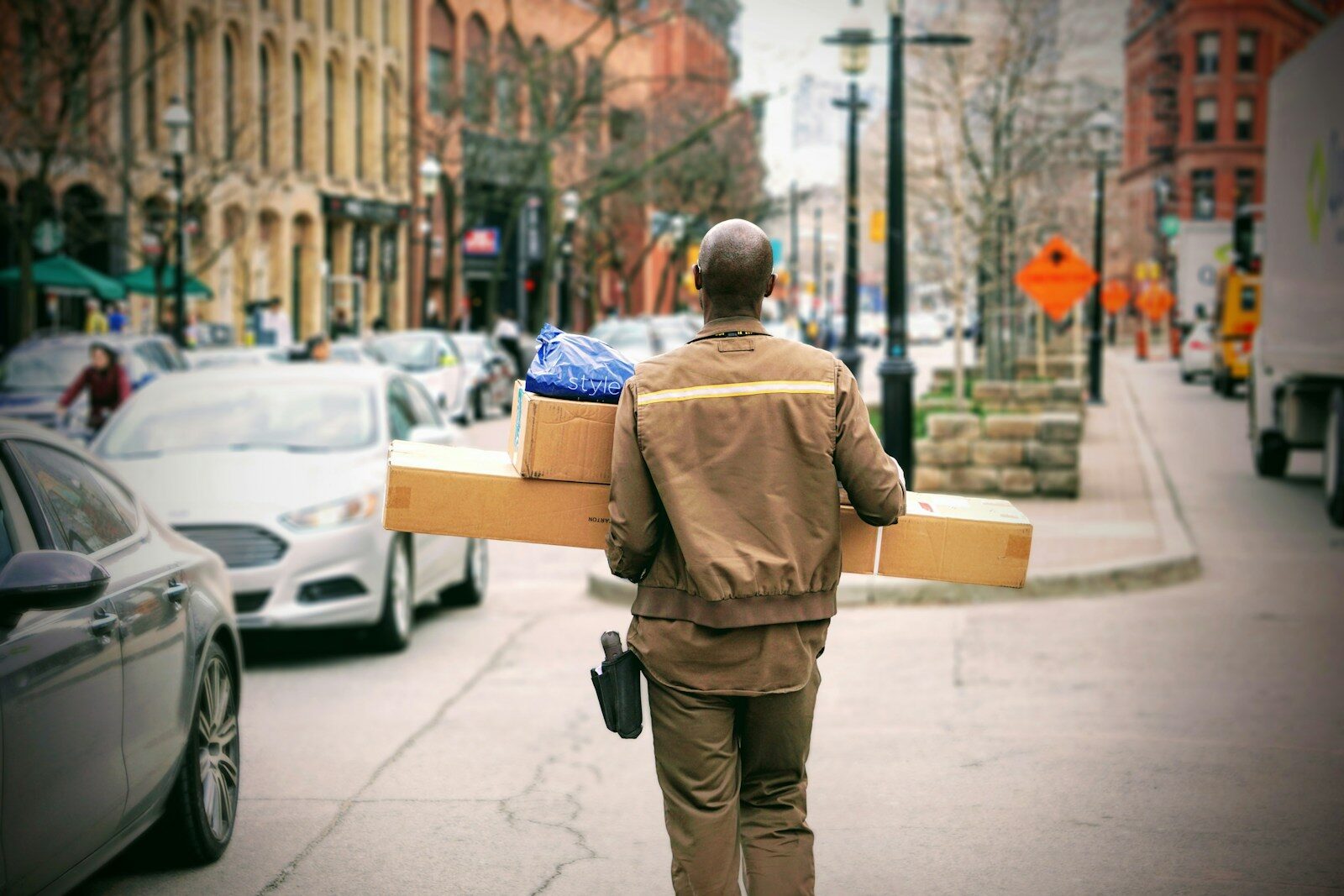
Cash on delivery is the hardest part of online selling to track, because the money arrives last, in cash, through a rider or courier — and sometimes it does not arrive at all. When orders, customers, and payments are recorded in one place, the seller can see which COD orders are paid, which are still out, and which were refused. At the end of the week, the money collected can be matched against the orders sent, instead of being guessed at.
That matching is what keeps the business honest. A COD order that was delivered and paid for is a sale. A COD order that was refused is a return, with a reason. A COD order that is neither is a question that needs an answer — and the record is what asks it.
The reputation that returns build
A cancelled or returned order costs more than a refund. In online selling, trust is everything — it is what brings the next order and the one after that. A shop that handles returns properly — quickly, politely, with the record to prove what happened — keeps customers who would otherwise leave. A shop that argues about returns, or cannot say what happened to an order, gets known for it, and the orders slow down.
With one synced inventory, order records, and customer histories in one place, an eCommerce seller stops paying for the same return twice. Stock is right, orders are tracked, COD is matched, and the seller can grow — adding products, opening another channel — without the returns growing faster than the sales.
Smart POS is built for eCommerce sellers in Pakistan: one inventory for your physical shop and your online store, always in sync, with orders and customer records in one place.
See how Smart POS works for eCommerce — Smart POS for eCommerce. Try free for 15 days, no credit card required.