
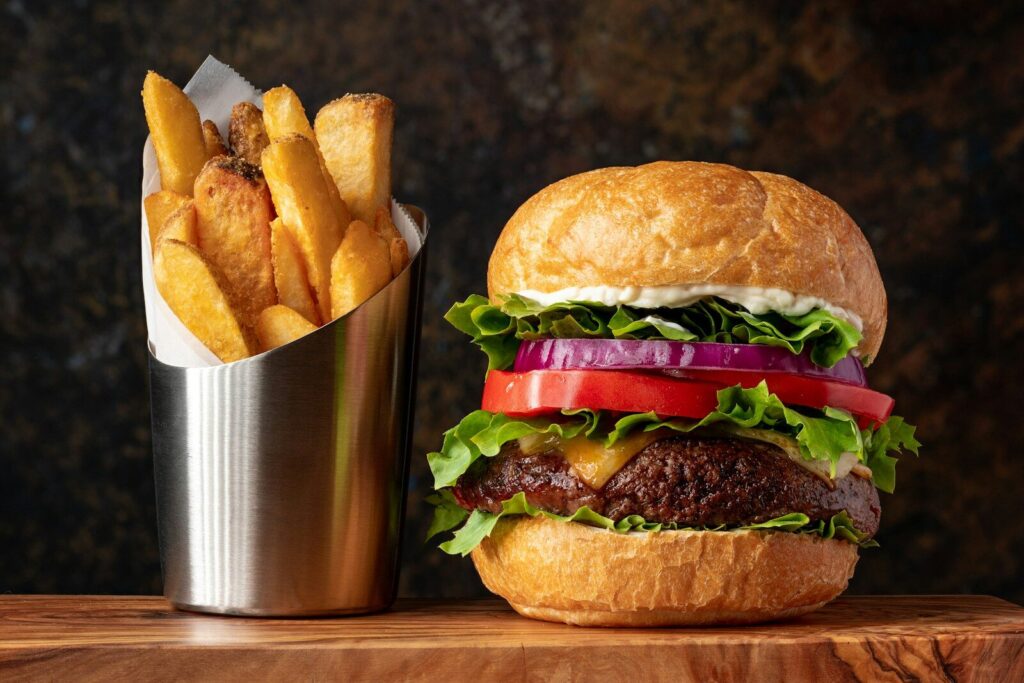
A fast food shop in Pakistan does not serve one kind of customer. It serves three: the family eating in, the office worker grabbing a takeaway, and the customer ordering delivery to their home. Each one orders differently, pays differently, and expects something different — and all three arrive at the same counter, at the same time, in the evening rush.
That is the three-channel problem. When dine-in, takeaway, and delivery run on separate habits, the owner never sees the whole business. The counter is busy, the kitchen is busy, the riders are out — and nobody can say which channel earned what, which one is growing, and which one is costing more than it brings in.
One counter, three kinds of order
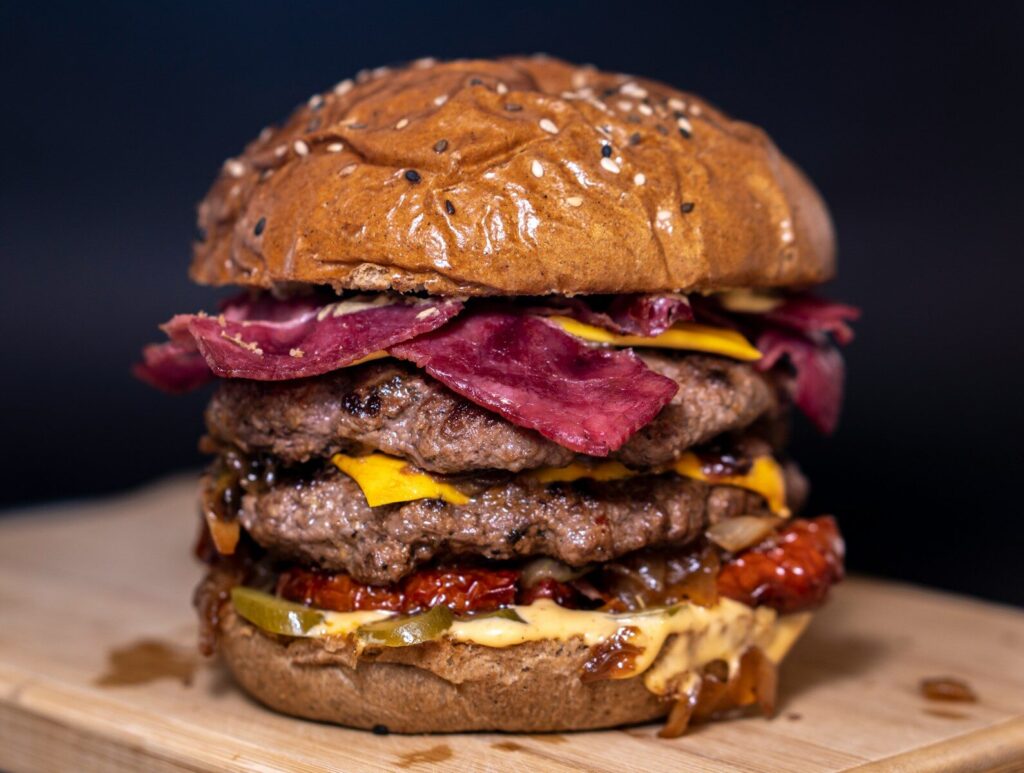
Smart POS brings table orders, takeaway, and delivery into one system. The order is recorded once, clearly, whatever channel it came through — and the kitchen sees exactly what to cook, for whom, and where it is going. A dine-in order goes to a table. A takeaway order is packed and handed over. A delivery order goes out with a rider, with the address and phone number recorded with the order.
That matters because the three channels fail in different ways. A dine-in order fails when it goes to the wrong table. A takeaway fails when it is packed wrong. A delivery fails when the address is wrong. One system that records each order properly is what stops all three from failing at once, in the same rush.
The bill, however the customer pays
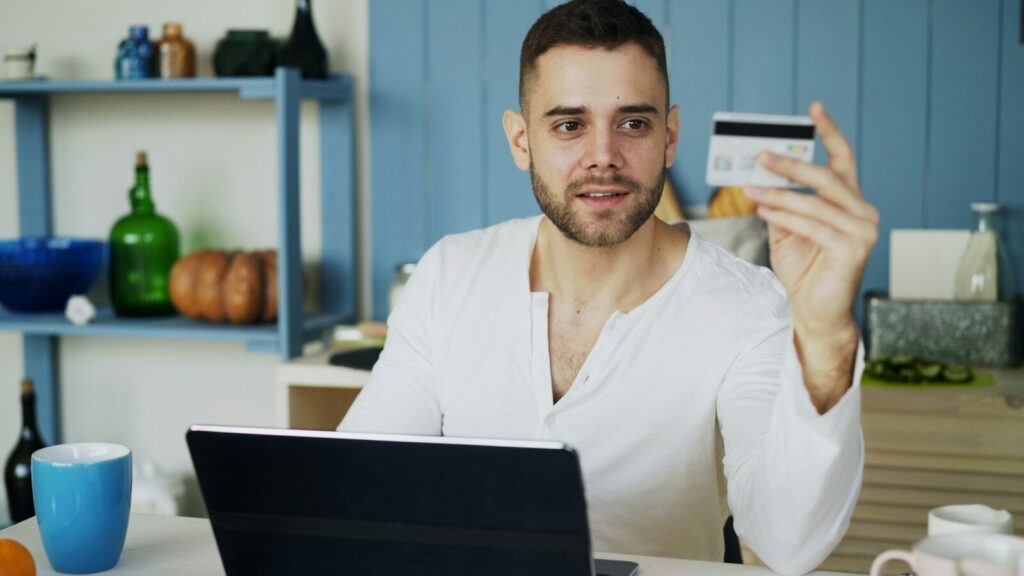
The three channels also pay differently. Dine-in pays at the table. Takeaway pays at the counter. Delivery pays on the doorstep, often in cash. When those payments are recorded in one place, the day’s cash can be matched — per counter, per shift, per rider — instead of being added up from three different places at night.
That is what keeps the till honest in a shop where money arrives from three directions. The owner can see what each channel took, what is still out with a rider, and what the day actually earned, while the shift is still running.
What each channel is really worth
The real value of one system is in the reports. Sales reports in Smart POS show what sold, when, and through which channel — the lunch rush that is mostly takeaway, the evening that is mostly dine-in, the late night that is mostly delivery. The owner can see which channel is growing, which one needs more staff, and which one is worth promoting.
That changes real decisions: how many riders to keep, when to staff the counter heaviest, which combos to push for delivery and which for dine-in. A shop that knows its channels can grow the right one, instead of growing all three blindly and hoping for the best.
With seconds-per-order billing, three-channel orders, and reports that show each channel separately, a fast food shop stops juggling three businesses and starts running one. The queue moves, the kitchen gets clear orders, and the owner sees the whole day — dine-in, takeaway, and delivery — in one place.
Smart POS is built for fast food in Pakistan: seconds-per-order billing for fast food counters, kiosks, and takeaways, with combo deals and reports that keep the queue moving.
See how Smart POS works for fast food — Smart POS for Fast Food. Try free for 15 days, no credit card required.