

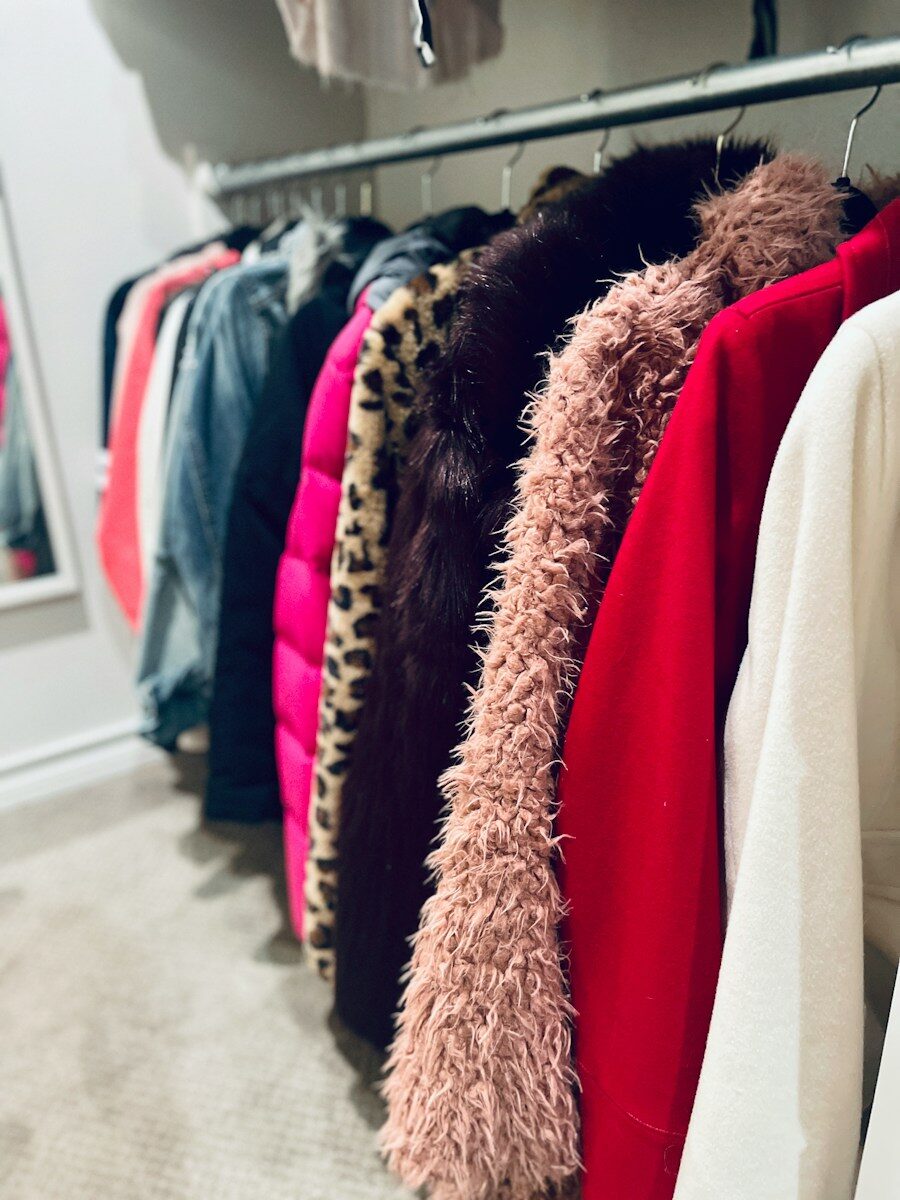
Every clothes shop in Pakistan has a rail of it: the stock that never moves. The sizes nobody asked for, the colours that looked right in the catalogue and wrong on the rail, the style from two seasons ago that is still hanging there, taking up space. The owner knows it is there. What the owner often does not know is how much money is tied up in it — because nobody has added it up.
That is the dead-stock problem. A clothes shop’s money is in its stock, and stock that does not sell is money that cannot be used for anything else. It cannot buy the next collection. It cannot pay a supplier. It just hangs there, season after season, while the sizes customers actually want run out.
Seeing what is really dead
Variant-wise stock in Smart POS tracks every size and colour separately, so dead stock stops being a feeling and becomes a list. Which variants have not sold in weeks? Which colours never moved, even in the sale? Which sizes are overstocked while others are empty? The reports answer all of it, variant by variant, so the owner can see exactly what is stuck — and how much of it there is.
That list is the starting point for every decision that follows. A variant that has not sold in a season is not going to sell next season. Knowing that is what lets the owner act, instead of hoping the next customer will want the extra-large red that nobody has wanted for months.
Clearing it without losing the margin

Once dead stock is visible, it can be cleared properly. A sale, a bundle, a discount on the slow variants only — the point is that the discount goes where the problem is, not across the whole shop. Smart POS handles sale-season discounts as part of billing, so a discount set on the dead stock applies to the dead stock, and the full-price stock keeps its margin.
That matters because clearing dead stock the wrong way is worse than not clearing it. A shop-wide discount gives away margin on the items that were selling anyway. A targeted discount frees the cash and the rail space, and leaves the good stock earning what it should.
Buying the next season with evidence
The real value of the dead-stock list is what it teaches about the next collection. Purchase and sales reports in Smart POS show stock by variant, by season, and by branch — which colours sold out, which sizes never moved, which styles carried the season. The next collection is ordered on that evidence, not on what looked good in the catalogue.
An owner who buys on evidence orders more of what sold and less of what did not. The next season has fewer dead rails, because the shop stopped repeating the same mistake. Over two or three seasons, that is the difference between a shop that is always clearing old stock and one that is always selling the new collection.
With variant-wise stock and season reports in one system, a clothes shop stops being surprised by its own rails. Dead stock is seen, cleared, and — most importantly — not bought again.
Smart POS is built for clothes shops in Pakistan: barcode billing, size and colour stock, and sale-season discounts, with reports that show what is really moving.
See how Smart POS works for clothes shops — Smart POS for Clothes Shop. Try free for 15 days, no credit card required.