
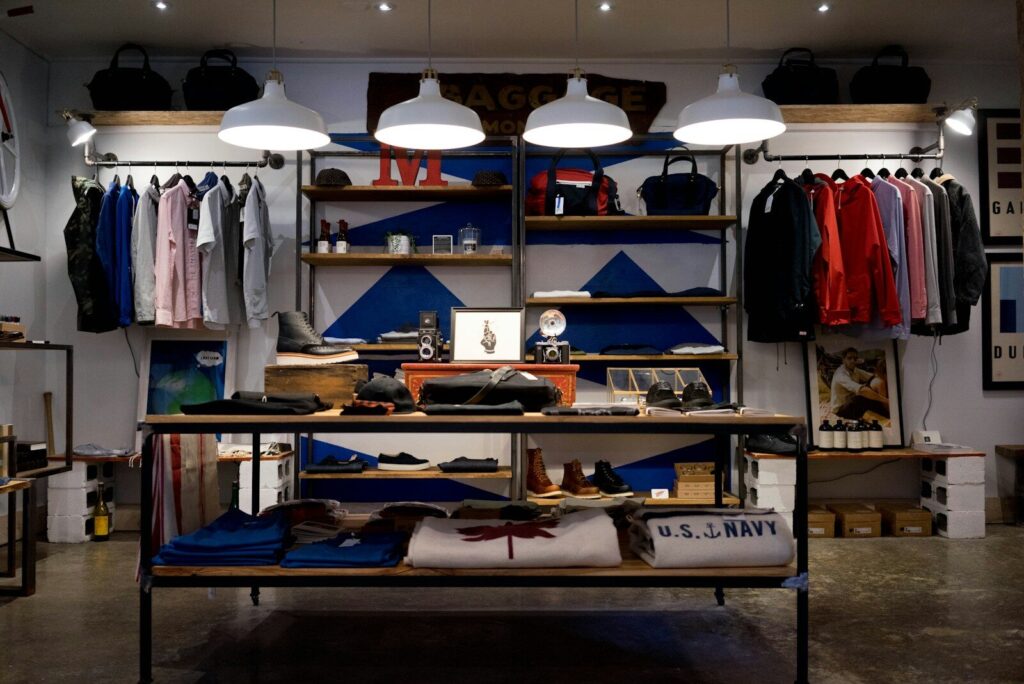
A clothes shop does not sell shirts. It sells a shirt in five sizes and four colours — twenty different items, each with its own stock, its own price, and its own speed of selling. The medium blue sells out in a week. The extra-large red has not moved since the season started. And on paper, all of it is just “shirts: 60 pieces”.
That is the variant problem, and it is what makes clothing stock so hard to manage in Pakistan. Collections change fast, seasons turn quickly, and sale season brings a flood of discounts that have to be applied correctly — or the shop loses margin on every bill. When stock is tracked by product name alone, the numbers lie: the total looks fine while the sizes customers actually want are gone.
The size customers want is gone
Every clothes shop owner knows this story. A customer asks for a medium, and the staff check the shelf, then the store room, then the system — and nobody is sure. The sale is lost, and worse, the customer remembers. In clothing, a lost sale is rarely just one shirt; it is a customer who buys the whole outfit somewhere else.
Variant-wise stock in Smart POS tracks every size and colour separately, with barcode billing at the counter. The system knows exactly how many medium blues are left, and it knows the moment they run out. Staff can answer a customer in seconds, and the owner can see which variants move and which ones sit.
Sale season, without the margin leak
Sale season is where clothing margins are won or lost. Discounts have to apply to the right items, at the right rate, for the right period — and they have to come off again when the sale ends. Done by hand, this is where mistakes creep in: a discount left on after the sale, a full-price item billed at a sale price, a deal applied twice.
Smart POS handles sale-season discounts as part of billing, so the price on the bill is the price that was set — not the price the cashier remembered. That protects the margin during the busiest, most profitable weeks of the year.
Buying the next collection with evidence
When the next collection arrives, the question is always the same: what should we order more of? Without variant-wise reports, the answer is a guess based on what the owner remembers selling. With them, it is evidence: this colour sold out in two weeks, that size never moved, this style sold best in the last ten days of the season.
That is the difference between ordering what sells and ordering what sits. Purchase and sales reports in Smart POS show stock by variant, by season, and by branch, so the next collection is bought on facts, not feelings.
A shop that knows its own shelves
With variants tracked properly, a clothes shop runs differently. Staff answer customers with confidence. The sale season runs without billing mistakes. And the owner orders the next collection knowing exactly what sold last time.
Smart POS is built for clothes shops in Pakistan: barcode billing, size and colour stock, and sale-season discounts, in one cloud system with reports that show what is really moving.
See how Smart POS works for clothes shops — Smart POS for Clothes Shop. Try free for 15 days, no credit card required.