
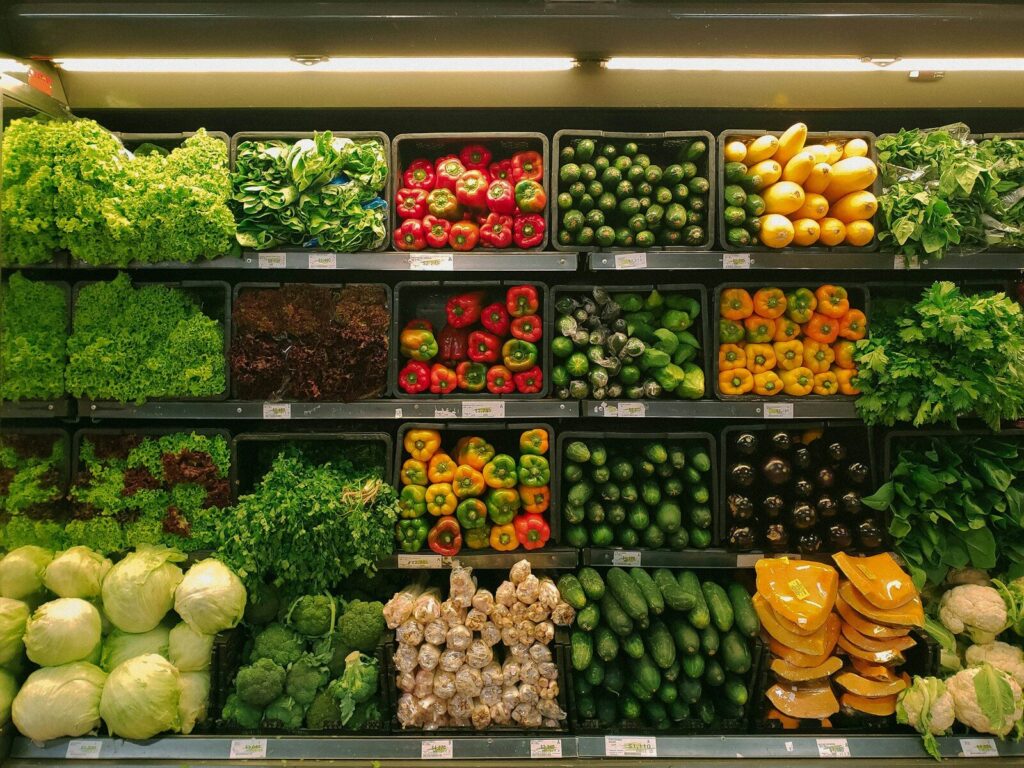
Every supermarket owner in Pakistan knows the feeling. It is 7 in the evening, the store is full, and the queue at the counter is not moving. A cashier is typing a price by hand because a barcode will not scan. A customer has changed their mind about an item and the bill has to be re-done. Behind the queue, shoppers are putting baskets down and walking out.
That is where a supermarket loses money first — not in big thefts, but in small, daily leaks at the checkout. Slow billing means fewer customers served in the rush hour. A wrong price means a loss on every sale of that item until somebody notices. A shelf that runs empty at the weekend means a whole day of lost sales on a fast-moving product.
The rush-hour problem

A supermarket till is not like a small shop counter. Hundreds of items pass through it every hour, and most of them look alike. When billing depends on memory, typing, or a cashier searching for a price, every bill takes longer, and every delay adds to the queue. Customers in Pakistan are patient up to a point — then they leave, and they often do not come back.
Fast, barcode-based billing changes this completely. The cashier scans, the price and item name appear, and the bill builds in seconds. Smart POS billing is built for exactly this kind of counter: a clean screen, quick product search, and multiple payment options — cash, card, and credit sales — so the queue keeps moving even at peak hours.
When the shelf lies to you
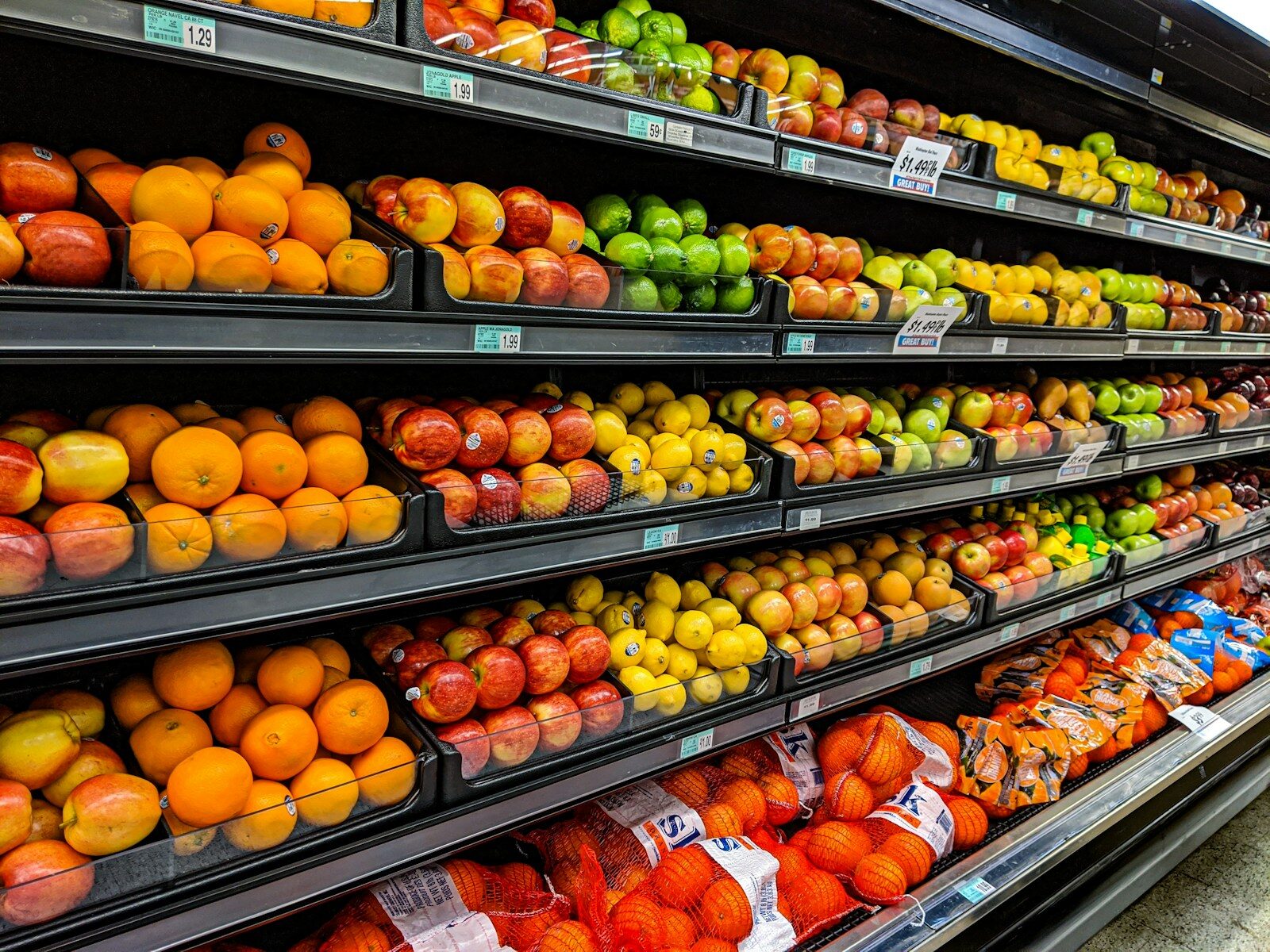
The second leak is stock you cannot see. A product looks available on the shelf, but the system says it is out of stock — or the other way around. Either way, somebody loses: the customer, or the owner who ordered too much of a slow item and too little of a fast one.
Smart POS keeps stock central, across branches, with automatic alerts for low stock and expiry dates. When a fast-moving item drops below the level you set, you know before the shelf is empty. Purchase and sales reports show what is actually moving, by day and by branch, so ordering stops being guesswork. That matters most for items with a short shelf life, where an over-order becomes waste.
Expiry is money on a shelf
Dairy, bread, fresh produce, and chilled items all carry an expiry date, and every expired item is money thrown away. In a busy supermarket, nobody can check every date by hand. Expiry alerts in Smart POS flag items before they expire, so staff can move them, discount them, or return them in time — instead of discovering the loss at stocktaking.
What a good day looks like
With the right system, a day at a supermarket runs differently. Billing is fast enough that the queue never builds. Stock counts match what is actually on the shelves. The owner opens the reports at night and sees sales, cash, and stock in one place, branch by branch, instead of piecing it together from notebooks and memory.
That is what Smart POS is built to do for supermarkets in Pakistan: high-volume billing and shelf-level stock control, in one cloud system you can open from anywhere — from the shop, from home, or from another branch.
See how Smart POS works for supermarkets — Smart POS for Supermarkets. Try free for 15 days, no credit card required.